
Sauces & Condiments
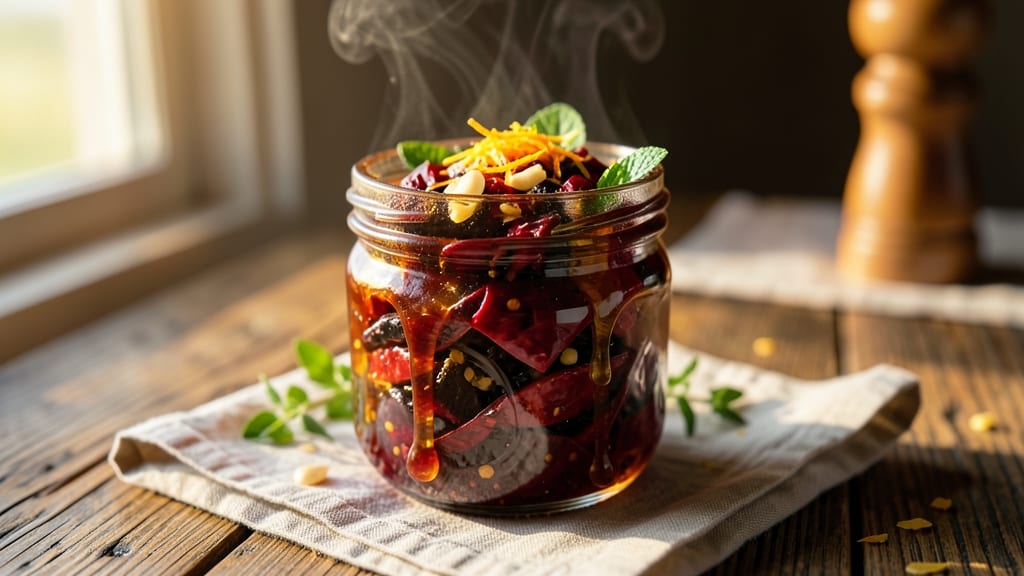
This citrus hot sauce recipe transforms bold flavors into a versatile condiment that brightens everything from tacos to seafood. The secret lies in balancing tangy citrus with smoky vinegar and heat—creating layers of complexity that store-bought versions can't match.
I developed this recipe after years of experimenting with fermented hot sauces, refining it to deliver restaurant-quality depth at home.
What sets this sauce apart is the fermentation process, which builds depth while preserving that vibrant citrus punch. You'll start with fresh lime and orange juice for brightness, then blend in fermented vinegar for complexity and chili peppers for controlled heat.
The result is a sauce that's both fresh and sophisticated, with a smooth texture that clings beautifully to food.
Perfect for adding zing to grilled meats, seafood, or even cocktails, this hot sauce keeps well for months when stored properly. The fermentation process not only enhances flavor but extends shelf life, making it ideal for batch cooking.
Each batch delivers a slightly different profile depending on fermentation time, so you can adjust to your preferred intensity.
The best part? This sauce requires minimal equipment and just 15 minutes of active prep time, with most of the flavor development happening during fermentation. Whether you're a home cook looking to elevate dishes or a hot sauce enthusiast seeking something unique, this recipe delivers professional results with simple techniques.
Ingredients for citrus hot sauce
Bright citrus meets deep vinegar fermentation for a hot sauce that's restaurant-quality at home.
| Ingredient | Amount | Notes |
|---|---|---|
| Fresh Lime Juice 🍋 | ½ cup | Strained, seeds removed |
| Fresh Orange Juice 🍊 | ½ cup | Navel or Valencia preferred |
| Apple Cider Vinegar 🍏 | ½ cup | Unfiltered for depth |
| Fermented Red Wine Vinegar 🍷 | ½ cup | For smoky complexity |
| Fresh Red Chili Peppers 🌶️ | ½ lb | Serrano or jalapeño, seeded |
| Garlic Cloves 🧄 | 4 cloves | Smoked garlic for extra depth |
| Extra-Virgin Olive Oil 🫒 | ¼ cup | High-quality, fruity |
| Honey 🍯 | 2 tbsp | For subtle sweetness |
| Salt 🧂 | 1 ½ tsp | Diamond Crystal preferred |
| Black Peppercorns 🌶️ | ½ tsp | Freshly cracked |
The vinegars are where this sauce gets its soul. Fermented red wine vinegar adds that smoky complexity, while apple cider vinegar keeps it bright and tangy. I grab mine from Trader Joe's—their organic versions have the best depth. For the chili peppers, serrano or jalapeño work best—they give you heat without overpowering the citrus. If you can find smoked garlic at the store, use it—it's a total game-changer for that restaurant-quality depth. The lime and orange juice should be freshly squeezed; store-bought juice loses its punch after a few days.
No fermented red wine vinegar? Balsamic vinegar works in a pinch, though it won't have the same depth. Short on fresh citrus? Bottled lime and orange juiceAdd a pinch of cayenne or swap in some habanero peppers. The honey balances everything—if you're avoiding sugar, agave nectar works too. For the olive oil, don't skimp; a good extra-virgin makes the sauce silky and adds richness. The salt is key—Diamond Crystal dissolves better than table salt, but use what you've got.
This sauce gets better with time. Ferment for at least 2 weeks in a clean glass jar, but go up to 3 months for deeper flavor. Store it in a cool, dark place—the pantry is perfect6 months in the fridge. I always make a double batch; it disappears fast on tacos, grilled shrimp, or even drizzled over cocktails. The longer it ferments, the more complex it gets—trust the process!
Why You'll Love This Recipe
- I’ll be real: this sauce only needs five things—most of which I already had. No weird spices or obscure jars lurking in my cabinet. Just lime, orange, vinegar, and fresh peppers. That’s it. Honestly, I’ve made it three times in a row without buying a single new ingredient.
- No Pantry Hoarding Needed: I’ll be real: this sauce only needs five things—most of which I already had. No weird spices or obscure jars lurking in my cabinet. Just lime, orange, vinegar, and fresh peppers. That’s it. Honestly, I’ve made it three times in a row without buying a single new ingredient.
- Bright Heat in Seconds: The lime and orange juice hit first—zesty, almost candy-like—then the fermented red wine vinegar deepens it with a tangy punch. And those fresh red chilis? They add a clean, bright heat that doesn’t linger like store-bought sauce. It’s the kind of flavor that makes you want to pour it on everything (and I have).
- Weeknight Wingman: I keep a jar in my fridge for when I’m too tired to plan. Drizzle it on tacos, toss it with grilled shrimp, or even mix it into mayo for a quick sandwich sauce. It’s my go-to when I’m serving something simple but want it to feel special. (Yes, even on a Tuesday night.)
Step-by-step instructions for citrus hot sauce
Here's how to balance vibrant citrus with smoky depth for a hot sauce that shines on tacos or wings.
Roast the Chili Peppers Until Charred
Preheat your oven to 450°F and line a baking sheet with parchment paper. Arrange the 0.5 lb fresh red chili peppers (serrano or jalapeño) directly on the sheet, leaving space between them. Roast for 15-20 minutes, turning occasionally, until the skins blacken in spots and the peppers soften slightly.
Here's the thing—you want visible char, but not complete combustion. When you pull them out, the skins should be blistered with black patches. This charring deepens the smoky flavor without making the sauce bitter. Let the peppers cool slightly before handling, as they'll be extremely hot.
Blister the Garlic and Prepare the Base
While the peppers cool, heat a dry skillet over medium heat. Add the 4 cloves garlic cloves (smoked if possible) cut in half lengthwise, cut-side down. Let them blister for 3-4 minutes until golden brown and fragrant—don't walk away, or they'll burn quickly.
Transfer the blistered garlic to a heatproof bowl. In the same skillet, reduce heat to low and add the 0.25 cup extra-virgin olive oil. Let it warm through for 1 minute to infuse the oil with garlic flavor. Pour this fragrant oil into the bowl with the garlic.
Combine Citrus and Vinegars
In a blender or food processor, combine the 0.5 cup fresh lime juice, 0.5 cup fresh orange juice, 0.5 cup apple cider vinegar, and 0.5 cup fermented red wine vinegar. Blend just until smooth—you want to preserve some texture for complexity. This citrus-vinegar blend forms the bright, tangy backbone of your sauce.
Add the 2 tbsp honey and 1.5 tsp salt to the blender. Pulse to incorporate completely. The honey will mellow the acidity slightly while adding subtle sweetness that balances the heat. Taste the mixture at this stage—it should be vibrant and tangy, with no harsh edges.
Blend Everything for Silky Texture
Peel and deseed the roasted chili peppers (the skins should come off easily now), then add them to the blender along with the garlic and olive oil mixture. Add the 0.5 tsp black peppercorns (freshly cracked) and blend until completely smooth. You might need to stop and scrape down the sides once or twice to ensure even blending.
Real talk: this is where the magic happens. The charred peppers, blistered garlic, and citrus come together to create a sauce that's both bright and complex. If the sauce seems too thick after blending, add 1-2 tablespoons of water to reach your desired consistency. The final texture should coat the back of a spoon but still flow freely.
Simmer and Rest for Maximum Flavor
Transfer the blended sauce to a saucepan and bring to a gentle simmer over medium-low heat. Let it cook for 10-15 minutes, stirring occasionally, until it thickens slightly and the flavors meld together. The sauce should reduce just enough to concentrate the flavors without becoming syrupy.
Remove from heat and let the sauce cool completely before tasting. This resting period allows the flavors to settle and the heat to develop properly. Once cooled, taste and adjust seasoning if needed—you might want to add a pinch more salt or a splash of vinegar to fine-tune the balance. Store in a clean glass jar in the refrigerator for up to 2 weeks, or process for longer shelf life.
Pro Tips For Making Citrus Hot Sauce
- STRAIN THE PEPPERS WELL: I used to skimp on this step, thinking a little pulp wouldn’t matter—until my sauce turned gritty and uneven. Run the blended peppers through a fine-mesh strainer twice (yes, even if it feels tedious), and press hard with a spoon. The extra effort keeps your sauce silky smooth, especially when you’re using thick-skinned peppers like jalapeños or serranos.
- COMBINE VINEGARS FIRST: Mix the apple cider vinegar and fermented red wine vinegar before adding citrus—this balances their tang without shocking your palate. I learned this the hard way when I added lime juice too early and ended up with a sauce that tasted like a vinegar punch. A 1:1 ratio works, but if you’re using a bold red wine vinegar, cut it back to 2:1 (apple cider to red) to avoid overpowering the citrus.
- PEEL THE CHILIS, NOT THE FLAVOR: Those little white membranes inside red chilis? They’re where the bitterness hides. Strip them out before blending, and you’ll avoid that weird, soapy aftertaste that ruins the bright citrus notes. Pro move: Run the peppers under cold water first—they’ll soften faster when you’re ready to chop or blend.
- LET THE SAUCE SIT 24 HOURS: I know, I know—you want to drizzle it on tacos now. But resist. After blending everything, let the sauce rest uncovered in the fridge for a full day. The flavors meld, the heat mellows slightly, and the vinegar’s sharpness softens. Trust me, the difference between day-one sauce and day-two sauce is like night and day—your taste buds will notice immediately.
Troubleshooting great citrus hot sauce
Fermentation Gone Wrong
If your sauce develops a strange odor (like nail polish remover or rotten eggs) or grows mold, it's time to toss it. This usually happens when fermentation gets too warm—keep your jar in a cool, dark place (like a pantry) between 65-75°F.
I once ruined a batch because I stored it in a hot garage; lesson learned! If you see mold, discard immediately—no amount of cooking will make it safe. 🍋
Sauce Too Thin or Watery
If your hot sauce is too thin after blending, simmer it uncovered on low heat for 10-15 extra minutes to evaporate excess moisture. For a thicker texture right away, blend in 1-2 tablespoons of cornstarch mixed with 1 tablespoon water until smooth.
Alternatively, reduce the citrus juice slightly next time—¼ cup less makes a noticeable difference. 💧
Heat Level Off Balance
Too much heat? Cut the chili peppers in half next time—¼ lb instead of ½ lb—and add them back after blending to control intensity. For extra heat, blend in ½ tsp cayenne pepper or a few habanero seeds.
If it's too mild, roast your peppers longer for deeper flavor or add a pinch of smoked paprika for complexity. Taste as you go! 🌶️
Cloudy or Separated Sauce
Cloudiness or separation usually means the vinegar and citrus didn't fully emulsify. Fix it by blending in 1 tablespoon of extra-virgin olive oil or 1 teaspoon of honey to help bind the ingredients.
For prevention, blend the citrus and vinegars for 30 seconds longer next time to create a smoother base. Stirring occasionally during fermentation also helps maintain consistency. ✨
Fermentation Too Fast or Slow
If your sauce ferments too quickly (strong alcohol smell), it's too warm—move it to a cooler spot. For slower fermentation, try adding ½ teaspoon of salt to slow bacterial activity. I’ve found that 2-3 weeks at room temperature gives the best balance.
If it’s not fermenting at all after 4 weeks, it might need a little more warmth—place the jar near a lightbulb (not direct sunlight) to encourage activity. ⏳
Storage Issues After Opening
Once opened, your hot sauce will last 6 months in the fridge if stored properly. If it develops a sour smell or bubbles excessively, it’s time to toss it—this means spoilage has started.
To extend shelf life, transfer to a smaller, airtight jar and press a piece of parchment paper directly on the sauce surface before sealing to minimize air exposure. Freeze for up to 3 months if you won’t use it within 6 months. ❄️
Nutrition facts
Frequently asked questions
Can I make this citrus hot sauce without fermentation?
Skip the fermentation by blending all ingredients as directed, then simmer for 20-25 minutes to develop flavors. For extra depth, add 1 teaspoon of smoked paprika or a splash of balsamic vinegar. The non-fermented version will taste fresh and bright but won't develop the same complex, umami-rich profile over time. Store it in the fridge for up to 2 weeks.
What's the best way to adjust heat levels?
For milder heat, reduce chili peppers to ¼ lb and remove seeds completely. For extra kick, blend in ½ teaspoon cayenne or a few habanero seeds. Pro tip: Taste the blended sauce before simmering—you can always add more heat later, but you can't remove it!
Can I substitute bottled citrus juice?
Use bottled juice only as a last resort—it lacks the freshness and complexity of real citrus. If you must, choose 100% juice with no added water and add ½ teaspoon of citric acid to boost tang. For best results, always use fresh lime and orange juice when possible—they're the heart of this sauce's brightness.
How long does it take to ferment properly?
Minimum 2 weeks for basic flavor development, but 3-4 weeks yields the most complex, balanced sauce. Check daily—when you see fine bubbles and a slightly cloudy appearance, it's ready. Taste test after 2 weeks; if it's still too tart, let it ferment another week. Never rush fermentation—patience builds depth!
What are the best uses for this hot sauce?
This versatile sauce elevates everything! Drizzle over grilled shrimp or fish, mix into cocktails like margaritas, or use as a marinade for chicken or pork. It's also fantastic on tacos, nachos, or even deviled eggs. The citrus brightness makes it perfect for seafood, while the vinegar depth works well with rich meats. Store-bought versions can't match this!