
Sauces & Condiments
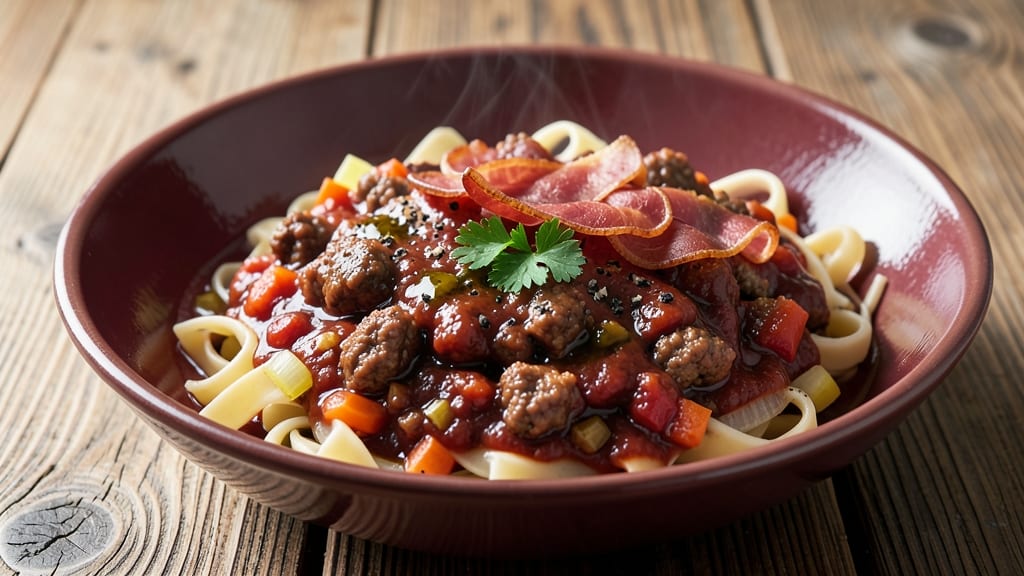
This Bolognese sauce recipe without wine delivers restaurant-quality depth using simple pantry staples and a slow-simmering technique. The secret to rich umami flavor lies in caramelizing onions, browning ground meat, and building layers of tomato and herb complexity—no alcohol required.
I developed this version after realizing wine wasn't essential for creating that signature meaty, savory sauce we all love.
The key to success is patience—allowing the sauce to simmer for at least 2 hours (longer is even better) transforms basic ingredients into something extraordinary. Ground beef, pancetta, and tomato paste form the flavor foundation, while aromatic vegetables and fresh herbs add brightness.
This sauce works beautifully with pasta, lasagna, or even as a hearty stew base.
What you'll end up with is a velvety, deeply flavorful Bolognese that's rich, slightly sweet, and packed with meaty umami—all without wine. The slow cooking process develops complex flavors that store-bought sauces can't match. Every spoonful delivers that satisfying, comforting taste of homemade Italian cooking.
Perfect for meal prep or special occasions, this versatile sauce keeps well in the fridge for up to 5 days or freezes beautifully for months. The instructions are straightforward, but the results are anything but ordinary—this is the kind of sauce that makes homemade cooking feel like a true accomplishment.
Ingredients for bolognese sauce recipe no wine
Pantry staples and fresh aromatics—no wine needed for this restaurant-worthy Bolognese.
| Ingredient | Amount | Notes |
|---|---|---|
| Ground Beef (Chuck) 🥩 | 1 ½ lb | 80% lean, finely ground for even cooking |
| Pancetta (or thick-cut bacon) 🥓 | 6 oz | Diced small for maximum flavor |
| Yellow Onion 🧅 | 1 whole | Medium size, finely chopped |
| Carrot 🥕 | 1 whole | Medium size, finely diced |
| Celery Stalk 🥬 | 1 whole | Trimmed, finely chopped (sofrito) |
| Tomato Paste 🍅 | 2 tbsp | San Marzano preferred, no sugar added |
| Canned Crushed Tomatoes 🍅 | 2 cups | San Marzano, no salt added |
| Whole Milk 🥛 | ½ cup | Full-fat for creaminess (optional) |
| Fresh Rosemary 🌿 | ¼ cup | Finely chopped, stems removed |
| Fresh Thyme 🌿 | ¼ cup | Leaves only, finely chopped |
| Garlic Cloves 🧄 | 4 cloves | Peeled, minced finely |
| Extra-Virgin Olive Oil 🫒 | ½ cup | High-quality, fruity variety |
| Diamond Crystal Kosher Salt 🧂 | 1 ½ tsp | Adjust to taste |
| Freshly Ground Black Pepper 🌶️ | ½ tsp | Freshly cracked |
| Beef Broth 💧 | 1 cup | Low-sodium, homemade preferred |
The ground beef is non-negotiable for texture—chuck roast gives that melt-in-your-mouth quality. Grab 80% lean from the meat counter (ask for finely ground if they don't already have it). Pancetta adds depth, but thick-cut bacon works too—just dice it extra small. The sofrito (onion, carrot, celery) forms the flavor base, so don't skip it. I usually buy these fresh from the produce section—they keep longer than you'd think, and the flavor is brighter than pre-chopped. For the tomatoes, San Marzano cans are worth the splurge—they're sweeter and less acidic.
No pancetta? Extra bacon or even diced ham works in a pinch (though ham can make it taste a bit salty). Short on fresh herbs? Dried rosemary and thyme at one-third the amount gets you close, but fresh is ideal. The milk adds richness—skip it if you're avoiding dairy, but the sauce will be slightly thinner. For the broth, homemade is best, but low-sodium store-bought works too. The tomato paste is where the umami magic happens—don't use the pre-sweetened kind. And if you're worried about the sauce being too acidic, add a pinch of sugar (about 1/2 tsp) to balance it out.
This sauce tastes even better the next day—plan ahead. It keeps for 5 days in the fridge, covered tightly. For freezing, portion into airtight containers or silicone molds—thaw in the fridge overnight. I always make a double batch because it disappears fast. The leftovers reheat beautifully—just warm gently on the stove with a splash of broth to restore that velvety texture.
Why You'll Love This Recipe
- No Wine, No Problem: I swear by this version—skipping the wine doesn’t mean skipping depth. The pancetta (or bacon) adds that rich, savory base, while the slow-cooked chuck beef turns tender and ridiculously flavorful. Honestly, my picky-eater husband doesn’t even notice it’s missing wine.
- One-Pot Magic: Between us, this is the kind of sauce that makes me feel like a chef with minimal effort. Brown the pancetta first, toss in the diced onion, carrot, and celery—that’s your soffritto—and let it simmer. No chopping boards full of scraps, no extra pots. Just one pan, one spatula, and 45 minutes later, you’ve got dinner.
- Leftovers That Save You: I make a double batch every time because reheating this sauce is next-level. The flavors actually get better the next day—thicker, richer, and perfect for tossing with pasta or stuffing into sandwiches. (Yes, even on a Tuesday night.)
- Budget-Friendly Powerhouse: Ground chuck and pancetta stretch further than you’d think, especially when you’re using the classic "holy trinity" of onion, carrot, and celery for bulk. It’s the kind of meal that feeds a family of four for under $15 and still feels special—no fancy ingredients required. My secret weapon for stretching groceries without sacrificing taste.
Step-by-step instructions for Bolognese sauce without wine
Here's how to build deep umami flavor without alcohol—slow-cooked, rich, and perfect for pasta.
Build the Sofritto Base
Heat the 0.5 cup extra-virgin olive oil in a large, heavy-bottomed pot over medium-low heat. Add the diced pancetta (or thick-cut bacon) and cook for 8-10 minutes, stirring occasionally, until the fat renders and the pancetta becomes crispy and golden. This fat is the foundation of your sauce—don't drain it.
Remove the pancetta with a slotted spoon and set it aside (you'll add it back later). In the same pot, add the finely chopped yellow onion, finely diced carrot, and finely chopped celery stalk. Cook for 10-12 minutes, stirring frequently, until the vegetables soften and their edges turn translucent. This is your sofritto—the aromatic backbone of the sauce. The vegetables should release their natural sweetness and meld into a flavorful base.
Toast the Herbs and Garlic
Add the finely chopped fresh rosemary and finely chopped fresh thyme to the pot. Stir for 1-2 minutes until the herbs release their essential oils and fill your kitchen with an aromatic burst. This step is crucial—it deepens the herbal notes without overpowering the sauce.
Next, add the minced garlic cloves and stir for 30 seconds until fragrant. Be careful not to let the garlic burn, as it will turn bitter. The garlic should just barely sizzle—this ensures it adds sweetness, not bitterness, to the sauce. If you're worried about burning, reduce the heat slightly or remove the pot from the heat briefly while adding the garlic.
Brown the Ground Beef
Increase the heat to medium-high and add the 1.5 lb ground beef (chuck). Break it up with a wooden spoon, ensuring it browns evenly. The goal is to create a deep, rich color and develop the meat's natural flavors through the Maillard reaction. This should take about 8-10 minutes. Avoid stirring constantly—let the beef brown in patches for maximum flavor.
Once the beef is well-browned, drain any excess fat, leaving about 2 tablespoons in the pot. This residual fat helps build the sauce's richness. Add the 2 tbsp tomato paste and stir to coat the beef evenly. Cook for 2-3 minutes until the tomato paste darkens slightly and sticks to the meat. This step intensifies the umami flavor and deepens the sauce's color.
Simmer with Tomatoes and Broth
Pour in the 2 cups canned crushed tomatoes and the 1 cup beef broth, stirring to combine. Bring the mixture to a gentle simmer, then reduce the heat to low and cover the pot. Let it cook for 1 hour, stirring occasionally to prevent sticking. This slow simmer allows the flavors to meld and the sauce to thicken naturally.
After 1 hour, stir in the 0.5 cup whole milk and the crispy pancetta (or bacon) you set aside earlier. The milk adds creaminess without overpowering the deep, savory flavors. Taste the sauce and adjust the seasoning with 1.5 tsp Diamond Crystal kosher salt and 0.5 tsp freshly ground black pepper as needed. The sauce should be rich, slightly thick, and deeply flavorful—no wine required.
Finish and Rest
Continue simmering the sauce uncovered for another 30-45 minutes, stirring occasionally, until it reaches your desired consistency. The longer it simmers, the more concentrated and flavorful it becomes. If the sauce thickens too much, add a splash of water or broth to loosen it.
Once the sauce is ready, remove it from the heat and let it rest for 10-15 minutes. This resting period allows the flavors to settle and the sauce to thicken slightly as it cools. Serve the Bolognese over your choice of pasta, garnished with additional fresh herbs if desired. The result is a deeply umami-rich, wine-free sauce that's perfect for any occasion.
Pro Tips For Making Bolognese Sauce Recipe No Wine
- Crisp the Pancetta First: I used to toss the pancetta in with everything else, but crisping it separately in a cold pan for 3-4 minutes—no oil needed—gives you fat-rendered flavor without greasy sauce. Save the crispy bits for garnish; they’re the best part.
- Chop the Veggies Tiny: A food processor makes this easy: pulse the onion, carrot, and celery into a fine, almost paste-like texture. This isn’t about pureeing—just breaking them down so they dissolve into the sauce instead of sitting as chunks. (Yes, even if it looks weird.)
- Brown the Beef in Batches: If you dump all the ground chuck in at once, it’ll steam instead of sear. Split it into two portions and cook each for 4-5 minutes on high heat, stirring occasionally. The crust on those browned bits is what carries the flavor—don’t skip it.
- Simmer Low and Long: After everything’s cooked down, drop the heat to a bare simmer—so low you barely see bubbles—and walk away for at least 45 minutes. I know, I know, but rushing this step turns rich sauce into glue. (Your future self will notice the difference.)
Perfect pairings for this dish
Pasta Pairings
This rich Bolognese sauce pairs perfectly with tagliatelle or pappardelle—wide, flat noodles that cradle the sauce beautifully. I always use Bronze Die pasta from De Cecco because its texture holds up to the sauce's weight.
For a lighter option, try fettuccine or linguine, but avoid thin strands like spaghetti—they'll disappear into the sauce. 🍝
Bread & Side Dishes
Serve with a crusty Italian bread like Ciabatta or a garlic bread made with butter, minced garlic, and parsley. The bread soaks up any leftover sauce beautifully. For a heartier meal, add a side of creamy polenta or roasted mushrooms—their earthy flavors complement the meaty sauce. 🥖
Cheese Additions
Finish with grated Parmigiano-Reggiano or Pecorino Romano for a salty, nutty contrast. I like to add 1/4 cup at the table so everyone can adjust to taste.
For extra richness, sprinkle with crumbled gorgonzola or fontina cheese during the last 5 minutes of simmering. These cheeses melt into the sauce, adding depth. 🧀
Vegetable Boosts
Stir in sautéed spinach or wilted kale in the final 10 minutes of cooking for a nutrient boost. For a brighter twist, add sun-dried tomatoes or roasted red peppers—their sweetness balances the sauce's richness. I also love tossing in fresh basil at the end for a fragrant finish. 🥬
Protein Pairings
Serve alongside creamy mashed potatoes or buttery egg noodles for a comforting meal. For a lighter option, pair with grilled chicken breast or pan-seared scallops—the sauce's umami complements lean proteins beautifully. I also enjoy it over polenta crostini for an elegant appetizer. 🍗
Nutrition facts
Frequently asked questions
Can I substitute beef with another protein?
Yes! For a lighter version, use ground turkey or chicken thigh (dark meat stays juicier). Vegetarians can try lentils or mushrooms for texture, but add 1 tbsp soy sauce or miso paste for umami depth. Just remember: the protein's fat content affects richness—lean meats may need extra olive oil to compensate.
Why does my sauce taste thin or watery?
This usually happens from one of three things: not enough simmer time (2+ hours is ideal), using too much broth, or stirring too frequently (which breaks down the sauce's natural thickening). For quick fixes, simmer uncovered for 15-20 minutes longer, or mix 1 tbsp cornstarch with 2 tbsp water and stir in. The milk also adds creaminess—reduce it to 2 tbsp if needed.
How can I make this sauce kid-friendly?
Skip the pancetta and use mild ground beef (or turkey). Reduce garlic to 2 cloves and omit rosemary (thyme is milder). For extra appeal, blend the sauce until smooth or serve it over buttered noodles with hidden veggies like pureed carrots. Always taste first—kids' palates are sensitive to acidity!
Can I make this in a slow cooker?
Brown the meat and sofritto in a skillet first, then transfer everything to the slow cooker. Cook on low for 6-8 hours or high for 4 hours, stirring occasionally. The slow cooker's gentle heat enhances flavors without risk of burning. Just add the milk in the last 30 minutes to prevent curdling.
What's the best way to reheat leftovers?
Gently reheat on the stove over low heat with a splash of broth or water—this prevents the sauce from breaking or becoming grainy. Avoid microwaving (it makes the sauce rubbery). For frozen portions, thaw overnight in the fridge, then reheat slowly. Stir frequently and add a pinch of salt if needed—the flavors concentrate during storage.