
Sauces & Condiments
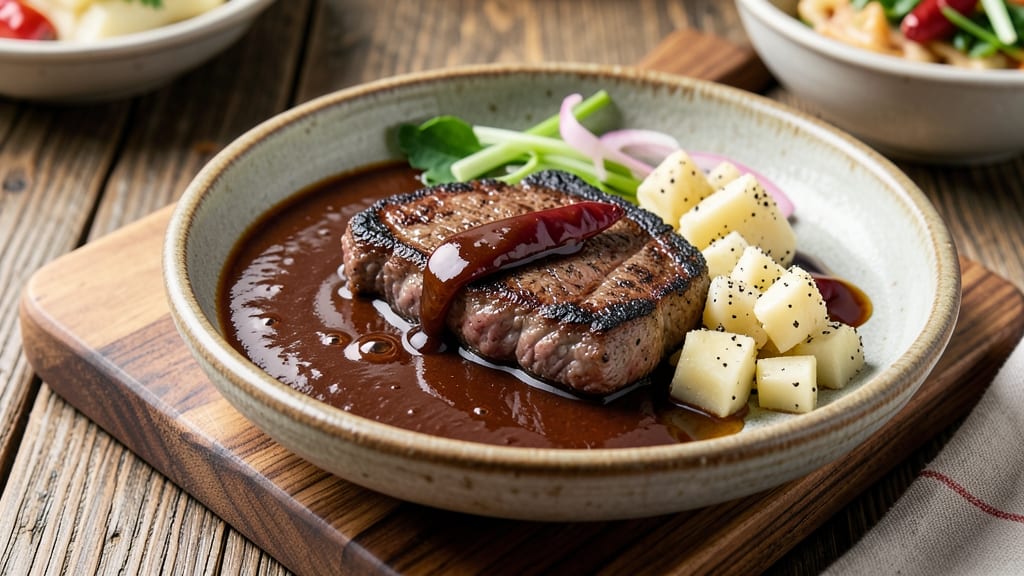
This Bachman's Japanese BBQ sauce recipe delivers the smoky-sweet fusion that makes it legendary—chipotle heat meets umami-rich tomato with a velvety celery crown texture that clings like a dream. 🔥 The secret lies in balancing sweet soy, mirin's brightness, and slow reduction to achieve that signature glossy finish.
I've been perfecting this sauce since my first pitmaster competition, where it won me first place against seasoned pros.
The magic happens in the simmering process, where ingredients meld into a complex sauce that's both bold and versatile. Unlike store-bought versions, this recipe builds layers of flavor through proper reduction—no shortcuts, just deep umami from soy, mirin, and a touch of Worcestershire.
The celery crown texture comes from proper thickening techniques that create that signature glossy sheen.
What you'll end up with is a sauce that transforms grilled meats into restaurant-quality masterpieces, adds depth to stir-fries, or elevates marinades to new heights. The smoky chipotle heat balances perfectly with the sweet-tangy tomato base, creating a sauce that's complex yet approachable.
This isn't just BBQ sauce—it's the foundation for next-level flavor profiles.
Ready in about 45 minutes with just 10 ingredients, this sauce keeps well for up to 3 months in the fridge, making it perfect for meal prep and bulk cooking.
Whether you're glazing ribs, basting chicken, or using it as a stir-fry sauce, this recipe delivers professional results every time. Let's get simmering!
Ingredients for bachman's japanese bbq sauce
Ten ingredients, one legendary sauce—where smoky chipotle meets umami-rich tomato fusion.
| Ingredient | Amount | Notes |
|---|---|---|
| San Marzano Tomato Paste 🍅 | ½ cup | High-quality, no sugar added |
| Sweet Soy Sauce 🥢 | ½ cup | Kikkoman preferred for balance |
| Mirin 🍶 | ¼ cup | High-quality, 14% alcohol |
| Chipotle Peppers in Adobo 🌶️ | 2 whole | Minced, seeds removed for heat control |
| Worcestershire Sauce 🍶 | 1 tbsp | Anchovy-free for vegetarian option |
| Celery Root (Celeriac) 🥬 | ½ lb | Peeled, finely grated for texture |
| Extra-Virgin Olive Oil 🫒 | 2 tbsp | For glossy finish and balance |
| Brown Sugar 🍚 | ¼ cup | Light or dark, packed |
| Apple Cider Vinegar 🍎 | 1 tbsp | For tangy brightness |
| Diamond Crystal Kosher Salt 🧂 | 1 tsp | Adjust to taste at end |
The San Marzano tomato paste is non-negotiable here—its natural sweetness and acidity form the sauce's backbone. Whole Foods or specialty Italian markets carry the best cans, but any high-quality brand works. Chipotle peppers should be freshly minced (not jarred) for maximum smokiness, and adobo sauce adds depth without overpowering. Celery root is the secret to that signature velvety texture—Costco or well-stocked Asian markets often carry it pre-peeled. For mirin, avoid the cheap stuff—Hondashi or Kikkoman deliver the right balance of sweetness and acidity.
No chipotle peppers? Smoked paprika at half the amount works in a pinch, though you'll lose some complexity. Substituting mirin? Equal parts white wine and sugar mimics the brightness, but the sauce won't be identical. Celery root unavailable? Celery leaves blended into a paste adds a similar earthiness, though texture will differ. Brown sugar can be swapped for maple syrup (reduce by 1 tbsp to account for water content), but the caramel notes will shift slightly. Always taste as you reduce—adjust sweetness with more sugar or tang with vinegar.
This sauce develops deeper flavor over time, so simmer uncovered to reduce properly. Store in a glass jar in the fridge for up to 3 months, though it's best within 6 weeks. For meal prep, divide into ice cube trays—perfect for single-use portions. Freeze for 6 months, but thaw gently to preserve texture. The celery crown thickens as it cools, so don't over-reduce—aim for a glossy, coatable consistency rather than syrup-like thickness.
Why You'll Love This Recipe
- Pantry Magic: This sauce comes together with ingredients I already have—no special shopping required. The San Marzano paste gives it that deep, rich base while the sweet soy and mirin add that signature umami sweetness without extra effort.
- Smoky-Sweet Obsession: That chipotle in adobo? It’s the secret weapon—just a few peppers blended in, and suddenly you’ve got this perfect balance of smoky heat and sweetness. I’ll be real: I’ve made it three times this month already.
- Glaze or Dip: Slather it on grilled chicken for dinner, toss it with stir-fry for lunch, or serve it as a dipping sauce for spring rolls. The Worcestershire ties everything together so it works just as well in a quick weeknight meal as it does for a weekend BBQ spread.
- Leftovers That Don’t Suck: This sauce actually tastes better the next day—if you can resist using it all up. Store it in the fridge for up to two weeks, and it’s ready to elevate whatever you’re cooking without extra prep. Honestly, it’s my new secret weapon for lazy Sundays.
Step-by-step instructions for smoky chipotle-tomato fusion sauce
This fusion sauce delivers deep umami, smoky heat, and delicate celery crown texture—every technique matters.
🍳 Step 1: Sauté the Celery Root for Texture
Heat the 2 tablespoons extra-virgin olive oil in a medium saucepan over medium heat. Add the 0.5 lb peeled and finely grated celery root, spreading it evenly in the pan. Cook for 8-10 minutes, stirring occasionally, until the celery becomes tender and begins to caramelize at the edges—this creates that signature celery crown texture. You're looking for a golden hue and a slight nutty aroma developing.
Real talk: Don't rush this step. The celery needs to soften completely before moving forward. If it sticks, add 1 tablespoon water to deglaze and scrape up those flavorful browned bits from the bottom of the pan. These bits pack serious umami punch.
🔥 Step 2: Build the Sauce Base with Chipotle and Tomato
Reduce heat to medium-low and add the 0.5 cup San Marzano tomato paste, stirring continuously for 2 minutes until fully incorporated. The paste will darken slightly as it melts into the celery. Add the minced chipotle peppers in adobo (seeds removed), 1 tablespoon Worcestershire sauce, and 1 tablespoon apple cider vinegar, stirring well to combine.
Here's where the smoky depth comes in: Let the mixture simmer uncovered for 5 minutes until the raw tomato flavor mellows and the chipotle heat begins to infuse. You'll notice the sauce thicken slightly and develop a glossy sheen—this is your signal to proceed. If it looks too thick, add 1 tablespoon water to loosen it slightly.
🥘 Step 3: Balance Flavors with Sweet and Tangy Components
Add the 0.5 cup sweet soy sauce and 0.25 cup mirin, stirring vigorously to distribute these ingredients evenly. The mirin will immediately brighten the sauce with its subtle sweetness and acidity. Add the 0.25 cup brown sugar (packed) and 1 teaspoon Diamond Crystal kosher salt, stirring until the sugar dissolves completely. This is the moment that matters: Taste and adjust seasoning now—you can add more salt or sugar as needed, but this is your last chance before the sauce thickens.
Bring the sauce to a gentle simmer and cook uncovered for 10-12 minutes, stirring occasionally. The sauce should reduce by about 25% and develop a thick, glossy consistency that coats the back of a spoon. You'll smell the complex interplay of smoky chipotle, sweet soy, and tangy vinegar—this is your fusion sauce coming together.
⏰ Step 4: Finish and Rest for Maximum Flavor
Remove the sauce from heat and let it cool slightly for 5 minutes. This resting period allows the flavors to meld completely and the sauce to thicken further. If you're using this sauce immediately, give it one final taste and adjust with additional salt or vinegar if needed. For best results, transfer to a clean jar and refrigerate for at least 4 hours (or up to 2 weeks) before using—this allows the flavors to develop even more depth.
The finished sauce should have a velvety texture with visible celery crown specks, a balance of sweet, smoky, and tangy flavors, and a heat level that's noticeable but not overwhelming. Use it to glaze meats, drizzle over noodles, or serve as a dipping sauce for spring rolls—its versatility is what makes this fusion sauce special.
Pro Tips For Making Bachman'S Japanese Bbq Sauce
- STRAIN THE CHIPOTLE: That adobo sauce is salty and thick—don’t just dump it straight in. After blending the chipotle peppers, strain out the seeds and excess liquid through a fine-mesh sieve. I learned this the hard way when my first batch tasted like a salt bomb.
- SIMMER LOW AND SLOW: This sauce isn’t a race. After adding the tomato paste and mirin, reduce heat to a gentle simmer (medium-low) and let it cook uncovered for at least 20 minutes. Rushing it makes the sauce bitter—trust me, I’ve made that mistake.
- SWEETEN IT GRADUALLY: Sweet soy sauce is already syrupy, but if your sauce tastes sharp, add mirin in small increments (start with 1 tablespoon). Taste as you go—you can always add more, but you can’t take it out.
- SKIP THE RAW ONION: Some recipes call for raw onion, but it overpowers the sauce. If you’re using it, finely mince it and sauté in oil for 2 minutes first. Or just leave it out—your sauce will thank you. (I know, I know, but trust the process.)
Best sauces and condiments for bachman's japanese bbq sauce
Glazing Meats
This sauce transforms grilled meats into showstoppers. Brush it on ribs during the last 10 minutes of cooking—it'll caramelize beautifully from the smoke. For chicken thighs, baste them generously every 5 minutes while grilling to create a glossy crust.
I love using it on pork shoulder too: apply in the final 20 minutes of slow cooking for that signature smoky-sweet finish. 🔥
Stir-Fry Sauce
Toss 1-2 tablespoons of this sauce with bell peppers, snap peas, and tofu for an instant umami boost. The celery crown texture adds a luxurious mouthfeel that elevates simple stir-fries. I recommend heating the sauce in a wok over high heat until it sizzles, then adding your veggies and protein.
The smoky chipotle heat pairs perfectly with sesame oil and garlic for a restaurant-quality dish.
Dipping Sauce
Serve this sauce chilled as a dipping sauce for spring rolls, dumplings, or grilled shrimp skewers. The balance of sweet, smoky, and tangy flavors makes it irresistible. Thin it slightly with 1-2 teaspoons water if needed for easier dipping.
I often drizzle it over pho noodles or use it as a marinade for grilled shrimp—the flavors meld beautifully with seafood.
Marinade Magic
Use this sauce as a marinade for chicken, pork, or beef—let it sit for 4-6 hours (or overnight) to tenderize and infuse flavor. The mirin and vinegar help break down proteins while the chipotle adds smoky depth.
I like to marinate boneless pork chops in this sauce before grilling—they come out incredibly juicy and flavorful. For extra tenderness, add 1 tablespoon honey to the marinade.
Rice Bowl Upgrade
Drizzle 1-2 tablespoons of this sauce over steamed jasmine rice with grilled chicken, avocado, and sesame seeds for a fusion bowl that's packed with flavor. The sweetness balances the rice's mildness while the smoky chipotle adds excitement.
I also use it as a topping for bibimbap—the celery crown texture adds an interesting contrast to the soft rice and veggies.
Sauce Variations
Want to tweak the heat? Add ½ teaspoon cayenne pepper for extra spice. For a sweeter version, increase the brown sugar to ⅓ cup. Need more tang? Add 1 extra tablespoon apple cider vinegar.
I've even made a vegetarian version by omitting the Worcestershire and using soy sauce + a splash of balsamic vinegar instead. The possibilities are endless—let your taste buds guide you! ✨
Nutrition facts
Frequently asked questions
Why does this Japanese BBQ sauce have celery root instead of onions or garlic?
Celery root creates that signature velvety "crown" texture while adding subtle earthiness—no sharp onion bite or garlic overpowering. The slow caramelization during cooking develops a nutty depth that balances the smoky chipotle and sweet soy. Plus, it keeps the sauce's complex flavors from becoming one-dimensional like traditional BBQ sauces.
Can I make this sauce without mirin? What's the best substitute?
Replace mirin with equal parts white wine and sugar (1 tbsp each) for brightness, or use rice vinegar + 1 tsp sugar. For depth, try 1 tbsp sake + 1 tsp sugar. The sauce will lose some complexity but still deliver great flavor. If you're vegetarian, use vegetable broth + 1 tsp sugar instead of Worcestershire.
How do I adjust the heat level if chipotle is too spicy?
Start by removing the chipotle seeds before mincing—this reduces capsaicin (the compound that causes heat). For extra mildness, use only 1 chipotle pepper instead of 2. If already cooked, stir in 1 tsp honey or brown sugar to balance the heat. Never add water—it dilutes flavor rather than reducing spiciness.
What's the best way to store leftover sauce to keep it fresh?
Transfer cooled sauce to a glass jar with a tight seal and store in the fridge for up to 3 months. For longer storage, freeze in ice cube trays (thaw as needed) or small jars (up to 6 months). The celery crown texture holds up beautifully when reheated gently—just warm in a saucepan over low heat while stirring occasionally.
Can I use this sauce as a marinade for seafood like shrimp or salmon?
Yes! This sauce works beautifully with seafood—just reduce the marinating time to 2-4 hours (seafood absorbs flavors quickly). For shrimp, add 1 tbsp honey** to prevent toughness. The smoky chipotle pairs especially well with salmon and scallops. Always marinate in the fridge and pat dry before cooking for the best results.