
Sauces & Condiments
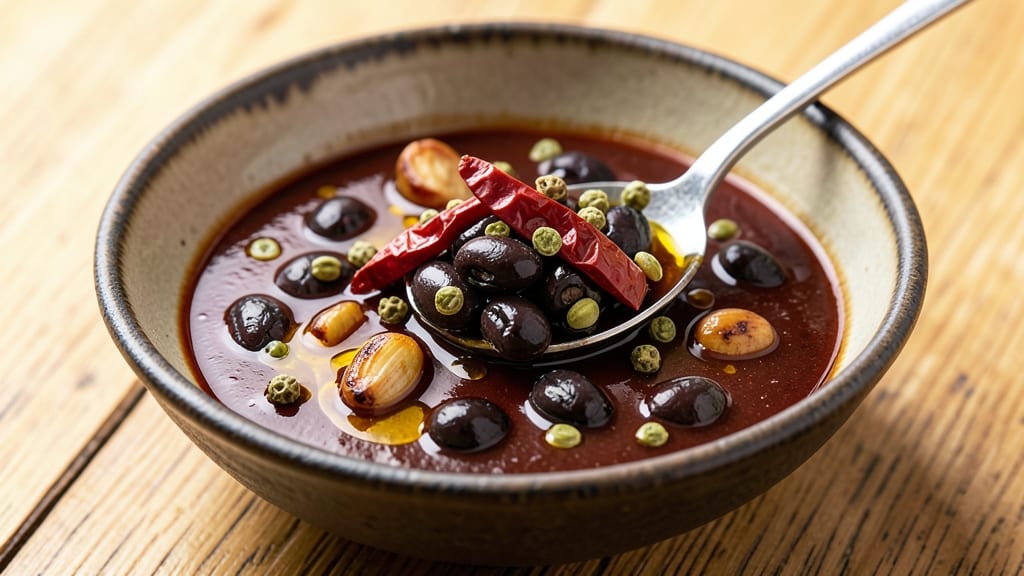
This authentic Schezwan sauce recipe delivers the perfect harmony of fiery heat, tangy vinegar, and umami depth that defines Sichuan cuisine. The secret lies in balancing chili oil, fermented black beans, and Sichuan peppercorns—each ingredient playing a crucial role in creating that signature numbing-spicy sensation.
I've perfected this version over years of testing, ensuring every element comes together for a sauce that's both bold and versatile.
The process begins with slow simmering to develop rich flavors, followed by blending for a silky texture that clings beautifully to noodles or proteins. What sets this recipe apart is the addition of celery crowns for a signature crunch that elevates every bite.
The sauce's complexity comes from traditional ingredients like garlic, ginger, and dried chilies, all carefully balanced to avoid overwhelming heat.
What you'll achieve is a vibrant, aromatic sauce with layers of flavor—tangy from the vinegar, spicy from the chilies, and numbing from the Sichuan peppercorns. This isn't just a condiment; it's a flavor experience that transforms simple dishes into restaurant-quality meals.
The sauce keeps well in the refrigerator for up to two weeks, making it perfect for meal prep or gifting.
Whether you're serving it over noodles, drizzling on stir-fried vegetables, or using it as a marinade, this Schezwan sauce will become your go-to for adding authentic Sichuan flavor to any dish.
The key is patience during simmering and precision in blending—trust the process, and you'll have a sauce that rivals your favorite Chinese restaurant's.
Ingredients for authentic schezwan sauce
Nine essential ingredients for that signature Sichuan numbing-spicy kick.
| Ingredient | Amount | Notes |
|---|---|---|
| Sichuan Chili Oil 🌶️ | ½ cup | High-quality, infused with Sichuan peppercorns |
| Fermented Black Beans 🫘 | ¼ cup | Packed, rinsed well |
| Rice Vinegar 🍶 | ½ cup | White or seasoned, 5% acidity |
| Sichuan Peppercorns 🌶️ | 1 tbsp | Whole, lightly toasted |
| Dried Red Chilies 🔥 | 1 tbsp | Arbol or Thai bird's eye |
| Garlic Cloves 🧄 | 6 cloves | Peeled, rough chopped |
| Fresh Ginger 🌿 | 1 tbsp | Grated, aromatic |
| Celery Crowns 🧅 | ¼ cup | Finely chopped, crisp |
| Light Soy Sauce 🍶 | 2 tbsp | Kikkoman preferred |
| Sesame Oil 🫒 | 1 tbsp | Toasted, for aroma |
The Sichuan chili oil is non-negotiable here—look for brands like Lao Gan Ma or Hunan in Asian markets for that authentic peppercorn heat. Fermented black beans add umami depth, so pick the soft, plump ones in jars at H Mart or 99 Ranch. Fresh ginger and garlic? Buy organic if possible—their bright flavor stands up to the bold spices. I always double-check the vinegar acidity; 5% or higher ensures proper tang. Toast your Sichuan peppercorns in a dry pan for 30 seconds—they'll release their signature aroma.
No fermented black beans? Substitute 1 tbsp soy sauce plus 1 tsp black vinegar, but you'll lose some depth. Swap dried chilies for fresh Thai chilies at double the amount—just remove seeds for less heat. Fresh ginger too fibrous? Powdered ginger works at half the quantity. Celery crowns can be replaced with finely chopped celery stalks, though they won't have the same crunch. For a smoother sauce, strain out the celery after blending. The sesame oil is optional but adds that signature nutty aroma—skip it if you're sensitive to strong flavors.
Store your sauce in a sterilized glass jar with a tight seal—keeps for 2 weeks in the fridge. The celery crowns will soften but retain their crunch for about 5 days. For longer storage, freeze in ice cube trays—perfect for single-use portions. The sauce tastes even better the next day as flavors meld. If it thickens, just whisk in a splash of water or vinegar to restore consistency.
Why You'll Love This Recipe
- Pantry Magic: I’ll be real—this sauce uses stuff you might already have lurking in your cupboards. Fermented black beans and Sichuan peppercorns? They’re the unsung heroes that turn a simple stir-fry into something special without needing a grocery haul.
- Numbness You’ll Crave: That tingling, fiery heat from the Sichuan peppercorns and dried chilies isn’t just spice—it’s a full sensory experience. Honestly, once you taste the balance of smoky, funky, and tangy, you’ll reach for this sauce like it’s your new favorite condiment.
- Dinner Party Hero: Slather it on noodles, toss it with tofu, or drizzle it over grilled meats—this sauce elevates everything. I’ve used it for weeknight takeout vibes and impressing guests, and it never lets me down. (Yes, even on a Tuesday night.)
- Make-It-Ahead Gold: A batch keeps for weeks in the fridge, and the flavors only deepen over time. I double the recipe on Sundays so I’m never scrambling for takeout. Plus, the ingredients are budget-friendly—no fancy price tags here.
Step-by-step instructions for authentic Schezwan sauce
Here's how to balance fiery heat with bright vinegar and celery crunch for a sauce that's truly authentic.
Toast the Aromatics for Deep Flavor
Heat a small dry skillet over medium heat and add the 1 tablespoon Sichuan peppercorns and 1 tablespoon dried red chilies. Toast for 1-2 minutes until fragrant and slightly puffed, stirring constantly to prevent burning. The aroma should fill your kitchen—this is where the sauce gets its signature complexity.
Transfer the toasted spices to a mortar and pestle and grind them into a fine powder. This step is crucial for authentic flavor—it releases the essential oils that give Schezwan its distinctive kick. Set aside the powdered spices for later use.
Bloom the Garlic and Ginger
In a clean wok or deep skillet, heat 1 tablespoon sesame oil over medium-low heat. Add the 6 cloves rough chopped garlic and 1 tablespoon grated fresh ginger, cooking for 1-2 minutes until fragrant but not browned. You want to wake up their flavors without burning them—this ensures they contribute aroma rather than bitterness.
Remove from heat and set aside. The garlic and ginger should smell sweet and pungent, not harsh. This aromatic base forms the flavor foundation of your sauce, so don't rush this step.
Combine Wet Ingredients
In a medium saucepan, combine the 0.5 cup rice vinegar, 2 tablespoons light soy sauce, and the cooked garlic-ginger mixture. Bring to a gentle simmer over medium heat, then reduce heat to low and let it cook for 3-4 minutes until slightly reduced.
Here's the thing—this reduction concentrates the flavors and creates the right balance of acidity and saltiness. You'll notice the mixture becomes slightly syrupy as it cooks down. This is exactly what you want for that authentic Schezwan tang.
Incorporate the Fermented Black Beans
Add the 0.25 cup fermented black beans (packed, rinsed well) to the saucepan. Simmer for an additional 2-3 minutes until the beans are heated through and slightly softened. The beans should break down just enough to release their umami depth without becoming mushy.
Use a wooden spoon to gently mash about half of the beans against the side of the pan. This creates a slightly textured sauce that's characteristic of authentic Schezwan. The beans should add a funky, savory depth that complements the vinegar's brightness.
Finish with Chili Oil and Celery Crowns
Remove the sauce from heat and stir in the 0.5 cup Sichuan chili oil and the ground spice mixture. The oil should immediately create a glossy sheen and intensify the heat. Add the 0.25 cup finely chopped celery crowns and toss to combine.
Let the sauce sit for 5 minutes before serving. This resting period allows all the flavors to meld together perfectly. The celery crowns should retain their crisp texture, adding a refreshing crunch that cuts through the heat. Taste and adjust seasoning if needed—you might want to add a touch more rice vinegar for brightness or soy sauce for saltiness.
Serve Immediately for Best Results
Schezwan sauce is best served fresh and hot. The flavors continue to develop as they sit, but the celery crowns will soften over time. Pour over your favorite stir-fry, noodles, or dumplings, and enjoy the perfect balance of heat, tang, and crunch.
This sauce delivers that authentic Schezwan experience—fiery yet balanced, with layers of complexity from the fermented beans and Sichuan peppercorns. The key is in the technique: proper toasting, gentle simmering, and that final touch of crisp celery crowns.
Pro Tips For Making Authentic Schezwan Sauce
- TOAST THE BEANS FIRST: Skip soaking fermented black beans—just toast them dry in a pan over medium heat for 2-3 minutes until fragrant. This deepens their umami without turning bitter, and I learned the hard way that skipping this step leaves the sauce tasting flat.
- LOW AND SLOW FOR OIL: Infuse Sichuan chili oil on the lowest heat setting you can tolerate—no higher than 120°C (250°F). I used to rush it, and the oil would split or lose its smoky depth. Let it simmer gently for at least 15 minutes, stirring occasionally, or the flavors won’t meld.
- CRUSH PEPPERCORNS COARSELY: Don’t grind Sichuan peppercorns into powder—lightly crush them with the flat side of a knife or a mortar. This releases their numbing aroma without overpowering the sauce. Too fine, and it’ll taste like medicinal dust.
- ACID LAST, NOT FIRST: Add rice vinegar at the very end, just before removing the pan from heat. Stir it in quickly and taste—this balances the heat without letting it cook off. I used to add it earlier, and the sauce would turn dull and vinegary.
Serving suggestions for this recipe
Noodle Pairings
This sauce shines on hand-pulled noodles like lamian or udon, where the chewy texture contrasts beautifully with the sauce's crunch. I love tossing it with chilled noodles for a refreshing dish—just coat them generously and finish with sliced green onions.
For extra indulgence, try garlic noodles where the sauce's heat complements the rich, buttery flavor. 🍜
Protein Pairings
Schezwan sauce transforms grilled shrimp or chicken thighs into a showstopper. I marinate bone-in chicken thighs in the sauce for 30 minutes before grilling, then drizzle extra sauce on top. The fat in the chicken helps distribute the heat evenly.
For seafood lovers, steamed mussels with Schezwan sauce make a restaurant-worthy appetizer—just toss them in the sauce for the last 2 minutes of steaming. 🦐
Vegetable Dishes
Stir-fried bok choy or Chinese broccoli becomes irresistible with this sauce. I wok the greens until just tender-crisp, then toss with sauce and finish with toasted sesame seeds.
For a heartier dish, try eggplant strips—the sauce's tang cuts through the eggplant's richness. Serve with steamed jasmine rice to balance the heat. 🥦
Dipping Sauce
Use this sauce as a dipping sauce for spring rolls or potstickers. The celery crowns add texture that contrasts perfectly with the crispy exterior. I like to serve it in a small ceramic bowl with a celery stalk garnish for an elegant touch.
For extra heat, add 1 tsp chili crisp to the bowl before dipping. 🥟
Breakfast Twist
Schezwan sauce elevates fried rice or scrambled eggs to new heights. I toss day-old rice with scrambled eggs, then drizzle with sauce and top with crispy fried shallots. For a Sichuan-inspired breakfast, try it with congee—the sauce's complexity makes the rice porridge even more satisfying. 🍳
Garnishing Tips
Fresh cilantro or Thai basil brightens the sauce's heat, while crushed peanuts add crunch. I always keep a small bowl of extra celery crowns on the table so guests can adjust their heat level.
For a smoky touch, finish with a drizzle of chili oil right before serving. The key is balance—don't overpower the sauce's natural flavors. 🌿
Nutrition facts
Frequently asked questions
Why does authentic Schezwan sauce have that signature numbing sensation?
The numbing effect comes from Sichuan peppercorns—they contain a compound called hineine that creates a tingling sensation. Toasting them lightly before grinding releases their essential oils, which is key for authentic flavor. Don't skip this step—it's what makes the sauce truly unique!
Can I make this sauce without fermented black beans?
Yes, but you'll lose some depth. Substitute with 1 tbsp soy sauce plus 1 tsp black vinegar for umami, though the funky flavor won't be identical. Fermented black beans add that signature savory complexity—if you can find them (check Asian markets), they're worth including.
How do I adjust the heat level in this sauce?
For milder heat, reduce the dried chilies to 1 tsp and use less Sichuan chili oil (0.25 cup). If you want extra spice, add 1 tbsp fresh chili crisp or extra dried chilies. Taste as you go—the celery crowns help balance the heat naturally.
Will this sauce thicken over time? How do I fix it?
Yes, the starches from garlic and ginger can thicken it. If too thick, whisk in 1 tsp warm water or vinegar to restore consistency. For a smoother texture, strain out celery crowns before blending. The sauce should coat a spoon but remain pourable.
What's the best way to store leftover sauce?
Transfer to a sterilized glass jar and refrigerate for up to 2 weeks. The celery crowns will soften but stay crunchy for 5 days. For longer storage, freeze in ice cube trays—perfect for single servings. Reheat gently before using.