
Sauces & Condiments
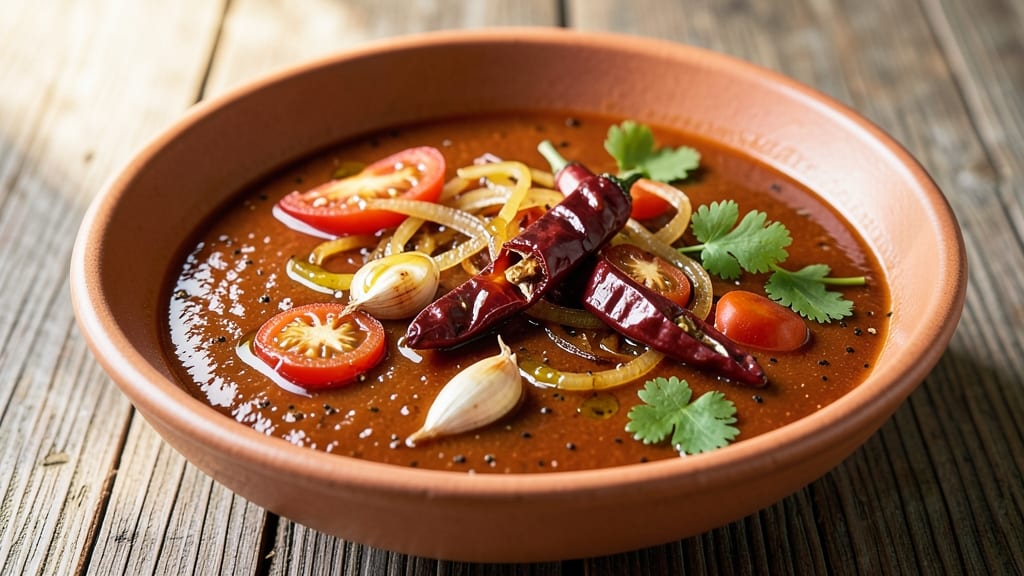
This authentic guajillo enchilada sauce recipe delivers the smoky depth and complex flavor that transforms ordinary enchiladas into something extraordinary. 🔥 I first learned this technique from a family friend in Austin who swore by the traditional Mexican method of toasting dried chilies and simmering them with onions and tomatoes—a process that creates layers of flavor you won’t find in store-bought versions.
The secret lies in properly preparing the guajillo chilies: soaking them to remove stems and seeds, then toasting them to deepen their natural smokiness before blending. This sauce isn’t just for enchiladas—it’s versatile enough to elevate everything from tacos to grilled meats, all while staying true to its authentic roots.
The result? A rich, slightly sweet, and deeply aromatic sauce that clings perfectly to your dish.
What makes this recipe stand out is its balance of smoky heat and subtle sweetness, achieved through careful simmering with onions and garlic. Unlike many shortcut versions, this sauce builds flavor gradually, rewarding patience with a depth that’s impossible to replicate quickly.
And because it stores beautifully in the fridge or freezer, you’ll always have restaurant-quality sauce on hand.
Whether you’re preparing a traditional batch of enchiladas or using it as a marinade for grilled chicken, this sauce brings authenticity to every bite. The process is straightforward, but the results are anything but ordinary—proof that sometimes, the most rewarding flavors come from traditional techniques.
Ingredients for authentic enchilada sauce recipe guajillo
Ten essential ingredients transform dried chilies into restaurant-quality enchilada sauce.
| Ingredient | Amount | Notes |
|---|---|---|
| Dried Guajillo Chilies 🌶️ | ¼ oz | Stems and seeds removed |
| Yellow Onions 🧅 | 1 whole | Medium size, roughly chopped |
| Roma Tomatoes 🍅 | 4 whole | Medium size, quartered |
| Garlic Cloves 🧄 | 4 cloves | Peeled, roughly chopped |
| Extra-Virgin Olive Oil 🫒 | ¼ cup | For sautéing onions |
| Apple Cider Vinegar 🍎 | 1 tbsp | For brightness |
| Cumin Seeds 🌿 | ½ tsp | Toasted for depth |
| Ground Cumin 🌿 | ½ tsp | For warmth |
| Salt 🧂 | 1 tsp | Diamond Crystal preferred |
| Black Pepper 🌶️ | ¼ tsp | Freshly ground |
The guajillo chilies are non-negotiable for authentic flavor. Mexican grocery stores or specialty markets like H-E-B's Latin foods section carry them year-round. Look for vibrant, slightly wrinkled pods—they should be deep red, not dull. If you can't find them, ancho or pasilla chilies work in a pinch, though guajillo's tangy-sweet profile is unique. Toast the chilies in a dry skillet until fragrant, about 30 seconds per side—this deepens their smoky character. The onions should be yellow, not red, for subtle sweetness that balances the heat. For tomatoes, Roma are ideal due to their lower water content, but vine-ripened will work too.
No guajillo chilies? Ancho or pasilla chilies provide a similar earthy depth, though guajillo's tang is harder to replicate. Substitute apple cider vinegar with white vinegar or lime juice, but reduce to 1 teaspoon—too much will overpower the sauce. The cumin seeds must be toasted in a dry pan for 30 seconds to release their aroma; skipping this step results in flat flavor. For a smoother sauce, blend the tomatoes with the cooking liquid, but leave the skins on for added texture. The olive oil should be extra-virgin—its fruity notes complement the chiles beautifully, while lower-quality oils can taste bitter when heated.
This sauce develops better with time, so simmer uncovered for at least 20 minutes to intensify flavors. Store in an airtight container in the fridge for up to 2 weeks, or freeze for 6 months—the texture thickens slightly when reheated, which is ideal for dipping or brushing. For best results, reheat gently on the stove, stirring occasionally, until warmed through. The sauce thickens further as it cools, so don't be tempted to add extra liquid. If you make a double batch, portion it into ice cube trays for easy single-use servings—perfect for quick weeknight meals.
Why You'll Love This Recipe
- No Soaking Needed: I’ll admit—peeling those guajillos used to intimidate me. But once you char the dried chilies over a flame (or under the broiler), the skins slip off like magic. No fancy tools, no waiting hours—just a quick prep that still packs that deep, smoky punch.
- Smoky Depth Fast: Between us, this sauce tastes like it simmered for hours. The charred guajillos and caramelized onions build layers of warmth that hit different—especially when you let the tomatoes break down into a velvety base. That first bite? Pure satisfaction.
- Taco Night to Leftovers: I use this sauce for enchiladas, of course, but it’s also my go-to for shredded chicken, grilled fish, or even drizzled over black beans. And honestly? It reheats like a dream—better than takeout, cheaper than ordering, and still there when you need it.
- Pantry Magic: Guajillo chilies last forever, and a single batch of this sauce stretches across three meals. I’ll make a double batch on Sundays, freeze half, and still have enough for weeknight dinners that feel special without the fuss. Budget-friendly? Yes. Reliable? Absolutely.
Step-by-step instructions for authentic guajillo enchilada sauce
Master this traditional technique for sauce with perfect smoky depth and balanced acidity.
🔥 Step 1: Toast and Rehydrate the Guajillo Chilies
Preheat your oven to 350°F and place the 0.25 oz dried guajillo chilies (stems and seeds removed) on a baking sheet. Toast for 3-4 minutes until fragrant and slightly puffed. Watch carefully—they burn quickly.
Immediately transfer the toasted chilies to a heatproof bowl and pour 1 cup hot water over them. Let them soak for 15 minutes until completely softened. This step unlocks their deep, smoky flavor and prevents bitterness. I like to use a fine-mesh strainer later to capture all the infused liquid.
🍳 Step 2: Sauté Onions and Aromatics
Heat the 0.25 cup extra-virgin olive oil in a medium saucepan over medium heat. Add the 1 whole yellow onion (roughly chopped) and cook for 8-10 minutes until translucent and just beginning to caramelize at the edges.
Add the 4 cloves garlic cloves (peeled and roughly chopped) and the 0.5 tsp toasted cumin seeds to the pan. Cook for another 1-2 minutes until the garlic is fragrant but not browned—this prevents bitterness. The cumin seeds should sizzle gently, releasing their earthy aroma. Remove from heat immediately after to preserve their flavor.
🥘 Step 3: Blend the Base Ingredients
Drain the rehydrated guajillo chilies, reserving the soaking liquid. Transfer the chilies, 4 whole roma tomatoes (quartered), and the sautéed onion-garlic mixture to a blender. Add 1 cup of the reserved chili soaking liquid and blend until completely smooth.
This is where the magic happens—the combination of tomatoes and reserved liquid creates a silky texture while maintaining the sauce's vibrant color. Strain through a fine-mesh sieve into a clean pot if you prefer an ultra-smooth sauce, or leave it slightly textured for rustic authenticity. I prefer the latter for that homey quality.
⏰ Step 4: Simmer and Season
Return the blended mixture to the saucepan and bring to a gentle simmer over medium-low heat. Add the 1 tbsp apple cider vinegar, 0.5 tsp ground cumin, 1 tsp salt, and 0.25 tsp black pepper. Stir in the remaining ¼ cup of reserved chili liquid.
Simmer uncovered for 15-20 minutes until the sauce reduces by about one-third and thickens slightly. You're looking for a consistency that coats the back of a spoon but isn't gluey. Taste and adjust seasoning—authentic guajillo sauce should balance smoky heat with bright acidity and earthy cumin. The vinegar is key here for that authentic tang.
🍽️ Step 5: Finish and Store
Remove from heat and let the sauce rest for 5 minutes to allow flavors to meld. The sauce will thicken further as it cools. For immediate use, strain through a fine-mesh sieve if you prefer a completely smooth texture, pressing gently on the solids to extract maximum flavor.
For best results, use the sauce immediately for enchiladas, tacos, or as a dip. If storing, transfer to an airtight container and refrigerate for up to 5 days or freeze for 3 months. The flavors actually deepen over time. When reheating, warm gently over low heat—never boil—to preserve the delicate balance of flavors you've worked so hard to achieve.
Pro Tips For Making Authentic Enchilada Sauce Recipe Guajillo
- REMOVE THE STEMS: Guajillos lose flavor when you keep the stems on—strip them off before soaking. I used to skip this, but now I do it first thing, even if it’s messy. The sauce tastes brighter, and you won’t be left scraping them out later.
- SOAK IN HOT WATER: Cold water won’t wake up those dried chilies properly. Use hot (not boiling) water to soften them in 15–20 minutes. I learned this the hard way—cold water makes them tough and dull, and you’ll end up overcooking the sauce trying to fix it.
- CHAR THE ONIONS: Don’t just sauté the onions—get them deep golden brown before adding tomatoes. The caramelized flavor is the backbone of the sauce. I used to rush this, and the dish always tasted flat until I committed to 8–10 minutes on medium heat.
- STRAIN THE SAUCE: Skip the blender and strain the cooked mixture through a fine-mesh sieve. This removes skins and seeds, giving you a silky texture. Yes, it’s extra work, but your sauce will look and taste restaurant-quality. (Your future self will thank you.)
Perfect pairings for this recipe
Taco Night Elevation
This sauce transforms ordinary tacos into a fiesta of flavors. Use it as a marinade for shredded chicken or beef before assembling tacos—just ½ cup mixed with 1 lb meat and 1 tbsp lime juice does the trick.
For extra richness, spread a thin layer on warm corn tortillas before adding fillings. I love pairing it with crispy pork carnitas and pickled red onions for that perfect balance of smoky heat and tangy crunch. 🌶️
Enchilada Perfection
The sauce is the soul of any enchilada dish. For classic chicken enchiladas, spread ¼ cup of sauce on each tortilla before rolling with shredded chicken, cheese, and onions. Bake until bubbly and golden.
For beef enchiladas, mix ½ cup of sauce with 1 cup shredded beef and ½ cup melted cheese before stuffing the tortillas. The sauce's natural stickiness keeps everything cohesive. 🍽️
Grilled Meat Glaze
Brush this sauce onto grilled meats for an instant flavor boost. Use it as a glaze for skirt steak or chicken thighs during the last 5 minutes of grilling. The smoky-sweet profile caramelizes beautifully, creating a delicious crust.
I also love using it as a marinade for pork ribs—simmer them in 2 cups of sauce for 1 hour before baking. 🔥
Dipping Sauce Magic
Serve this sauce chilled as a dip for tostadas, quesadillas, or even chips and salsa. Thin it slightly with ¼ cup warm water for a smoother consistency. For extra creaminess, stir in 2 tbsp sour cream or Greek yogurt after cooling.
It's also fantastic drizzled over black beans or refried beans for a quick, flavorful side dish. ✨
Breakfast Twist
Who says enchilada sauce is just for dinner? Use it to elevate breakfast dishes like chorizo scrambled eggs or breakfast tacos. Stir 2 tbsp into scrambled eggs with crumbled chorizo and cheddar cheese for a smoky kick.
It also pairs wonderfully with breakfast burritos—just add ¼ cup to the filling for depth. My kids Emma and Jack love it on their breakfast tacos, and it's a hit with David too. 💛
Soup and Stew Secret
Add this sauce to soups and stews for instant depth. Stir ½ cup into black bean soup or posole during the last 10 minutes of cooking.
It also works beautifully in chicken and rice dishes—simmer 1 cup of sauce with 1 lb chicken thighs and 1 cup rice for a one-pot wonder. The sauce's natural sweetness balances the savory flavors perfectly. 🥘
Nutrition facts
Frequently asked questions
Can I substitute guajillo chilies with other dried chilies?
Yes, but the flavor will differ slightly. Ancho or pasilla chilies work best—they're milder and have a similar earthy depth. For extra heat, use arbol chilies (reduce to 0.1 oz and add ½ tsp sugar to balance). Avoid chipotle or cayenne, as they're too smoky or fiery for this sauce. The key is maintaining that tangy-sweet balance that guajillo brings.
Why does my sauce taste bitter?
Bitter flavor usually means the chilies weren't properly prepared. Always toast the chilies (even briefly) to remove raw flavors, and remove stems/seeds before soaking. Over-soaking (more than 15 minutes) can also extract bitterness. If it happens, balance with 1 tsp sugar or 1 tbsp apple cider vinegar while simmering. The sauce should taste smoky, slightly sweet, and bright—never harsh.
How do I adjust the heat level?
For milder sauce, reduce the chili quantity to 0.15 oz and add 1 tsp sugar to enhance sweetness. For hotter sauce, increase to 0.35 oz and add ½ tsp cumin seeds (toasted) for depth. Always taste as you simmer—authentic guajillo sauce should have a gentle warmth, not overwhelming heat. The vinegar helps balance any sharpness.
Can I make this sauce without a blender?
If you don't have a blender, finely chop the soaked chilies and tomatoes by hand, then simmer them with the onions and garlic for 10 extra minutes to break them down. The texture will be slightly chunkier but still delicious. For an ultra-smooth result, press the mixture through a fine-mesh strainer after simmering. The flavors will develop just as well—it just takes a little more patience.
How long can I store this sauce, and how do I reheat it?
Store in an airtight container in the fridge for up to 5 days or freeze for 3 months. When reheating, warm over low heat (never boil) for 3-5 minutes, stirring occasionally. The sauce thickens as it cools, so add 1-2 tbsp water if needed. For best results, reheat just before using—it's even more flavorful the second day!