
Sauces & Condiments
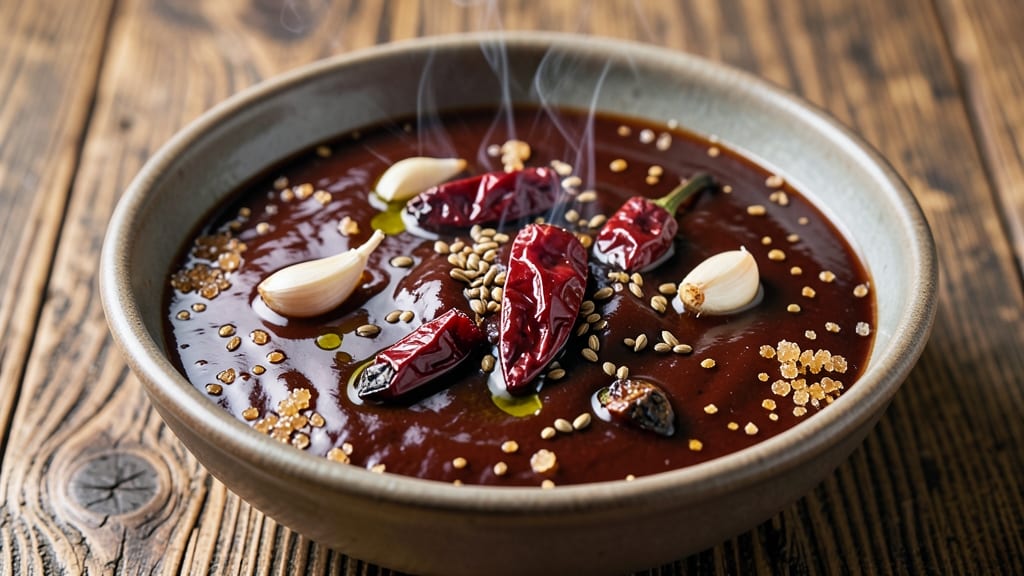
This authentic chipotle sauce recipe delivers the deep, smoky heat that makes Mexican cuisine unforgettable. The secret lies in blending smoked chipotle peppers with adobo sauce and a touch of vinegar, creating a sauce that’s rich, complex, and perfectly balanced.
I’ve perfected this over years of testing—no shortcuts, just real flavor.
The sauce starts with chipotle peppers in adobo, which you’ll blend with vinegar, garlic, and a hint of brown sugar for depth. This isn’t just heat; it’s a symphony of smoky, tangy, and slightly sweet notes that elevate everything from tacos to grilled meats.
The blend sits overnight, allowing the flavors to meld into something truly special.
What makes this sauce authentic is the careful balance—smoky without overpowering, spicy without burning, and tangy enough to cut through rich dishes. It’s versatile too: use it as a marinade, a dip, or a finishing sauce.
The best part? It keeps well in the fridge for up to two weeks, so you’ll always have bold flavor on hand.
For those who prefer less heat, simply reduce the number of chipotle peppers. The sauce also freezes beautifully, making it perfect for meal prep. Ready to transform your cooking with this restaurant-quality sauce? Let’s get started.
Ingredients for authentic chipotle sauce
Just nine ingredients transform into smoky, tangy chipotle magic—no shortcuts, just bold flavor.
| Ingredient | Amount | Notes |
|---|---|---|
| Chipotle Peppers in Adobo Sauce 🌶️ | 4 whole | Smoked, stems removed |
| White Vinegar 🍶 | ½ cup | White or apple cider |
| Garlic Cloves 🧄 | 4 cloves | Peeled, rough chopped |
| Light Brown Sugar 🍚 | 2 tbsp | Packed, for depth |
| Extra-Virgin Olive Oil 🫒 | ¼ cup | For richness |
| Cumin Seeds 🌿 | 1 tsp | Toasted for aroma |
| Ground Cinnamon 🍃 | ¼ tsp | For warmth |
| Salt 🧂 | 1 tsp | Kosher or sea salt |
| Water 💧 | ½ cup | For blending |
The chipotles are the heart of this sauce. Grab the canned ones in adobo—they’re sold in most Latin markets or the international aisle at Whole Foods. Look for the smoked, not roasted kind—they’ve got that deep, campfire flavor. If you’re feeling fancy, toast the cumin seeds in a dry pan for 30 seconds first—they’ll add a nutty depth. The adobo sauce itself is key too; don’t skip it. It’s the liquid those peppers soak in, packed with vinegar and spices. If you’re short on time, Trader Joe’s sells pre-packaged chipotles in adobo that work perfectly.
No chipotles in adobo? Substitute smoked paprika plus a pinch of cayenne, but you’ll lose that authentic smoky depth. White vinegar can be swapped for apple cider vinegar—it’s slightly sweeter and pairs beautifully. The brown sugar is non-negotiable for that caramelized richness, but if you’re watching sugar, reduce to 1 tbsp. Cinnamon might seem odd, but it rounds out the heat beautifully—Mexican cinnamon (canela) is ideal if you can find it. For a smoother texture, strain the sauce after blending, but I like the rustic look of tiny bits of adobo and garlic. The olive oil adds silkiness, so don’t skip it—even if you’re using it as a marinade, that fat helps carry the flavor.
This sauce gets better with time. Let it sit overnight in the fridge before using—flavors meld like magic. Keeps for 2 weeks in the fridge, or 6 months frozen in ice cube trays. Freezing in portions means you always have a ready-to-use punch of smoky heat. Double the batch if you’re planning to use it often; I always do. The leftovers? Perfect for drizzling over tacos, mixing into soups, or even stirring into mayo for a chipotle mayo that’ll change your life.
Why You'll Love This Recipe
- Five-Ingredient Magic: I swear, this sauce comes together with ingredients you already own—no specialty shopping required. Just blend, simmer, and boom—smoky depth from the adobo peppers, bright tang from the vinegar, and that caramelized sweetness from the brown sugar. Honestly, the hardest part is waiting for it to cool.
- Smoky-Sweet Obsession: That first bite? The chipotles in adobo bring heat with a velvety finish, while the garlic and olive oil add richness you’ll want to lick off your spoon. It’s not just spicy—it’s layered, with a slow-building warmth that sticks with you. (Yes, even on a Tuesday night.)
- Taco Night to BBQ: Slather it on grilled chicken, drizzle it over roasted potatoes, or toss it into beans—this sauce transforms everything. I’ve used it for breakfast tacos, dinner burritos, and even as a marinade for ribs. Once you make it, you’ll wonder how you ever lived without it.
- Leftovers That Last: A single batch keeps in the fridge for weeks, and the flavor only gets better as it mellows. Freeze half for later, then pull it out when you’re craving that smoky kick without extra effort. Between us, this is my lazy Sunday prep—make a big batch, then enjoy it all week.
Step-by-step instructions for authentic chipotle sauce
Here's how to blend smoky chipotle heat with bright vinegar for a sauce that's truly restaurant-worthy.
Toast the Cumin Seeds for Depth
Heat a small dry skillet over medium-low heat. Add the 1 teaspoon cumin seeds and toast for 1-2 minutes until they release their nutty aroma and begin to sizzle gently. You'll smell the warm, earthy scent—this is your cue to remove them immediately from the heat.
Let the toasted cumin seeds cool for 30 seconds before grinding them lightly with a mortar and pestle or in a spice grinder. The slight bitterness from toasting balances the sweetness in the sauce later. If you skip this step, you'll miss that authentic Mexican depth that makes this sauce special.
Blend the Chipotles and Vinegar
In a blender, combine the 4 whole chipotle peppers in adobo sauce (stems removed), 0.5 cup white vinegar, and 0.5 cup water. Blend on high for 30-45 seconds until completely smooth. You want to eliminate every trace of chunkiness—this ensures a silky texture in your final sauce.
Here's the thing—don't rush this blending. The adobo sauce can be thick, so pulse occasionally if needed to help it break down. The vinegar helps emulsify the blend, creating the perfect base for the smoky-sweet balance we're after.
Incorporate the Aromatics
Add the 4 cloves rough chopped garlic, 2 tablespoons packed light brown sugar, and the toasted cumin seeds to the blender. Pulse just until combined—you don't want to over-blend the garlic or it will turn bitter. Give it one final blend on high for 10 seconds to incorporate everything smoothly.
The brown sugar might seem like too much at first, but trust me—it caramelizes slightly during the cooking process, adding a subtle sweetness that rounds out the heat. The garlic should be finely distributed but still recognizable in the sauce.
Slow Simmer for Perfect Balance
Transfer the blended mixture to a small saucepan and place it over medium heat. Stir in the 0.25 cup extra-virgin olive oil and 1 teaspoon salt. Bring to a gentle simmer, then reduce heat to low and let it cook for 10-12 minutes, stirring occasionally.
You're looking for the sauce to thicken slightly and develop a glossy sheen. The olive oil helps create that silky texture while adding richness. Taste after 8 minutes—if it needs more salt, adjust now. The sauce should have a perfect balance of smoky heat, bright acidity, and sweet warmth.
Finish with Cinnamon and Strain
Remove the sauce from heat and stir in the 0.25 teaspoon ground cinnamon. Let it steep for 5 minutes—this allows the cinnamon to infuse its subtle warmth without overpowering. Then strain the sauce through a fine-mesh sieve into a clean bowl to remove any remaining bits.
Your authentic chipotle sauce is now ready to use. It should have a beautiful deep red color with a smooth, velvety texture. The heat should be present but balanced by the vinegar's brightness and the sugar's sweetness. Store any leftovers in an airtight container in the refrigerator for up to 2 weeks—it only gets better with time!
Pro Tips For Making Authentic Chipotle Sauce
- STRAIN THE ADOBO FIRST: The adobo sauce from the can is thick and grainy—don’t just dump it in. Strain it through a fine-mesh sieve first to remove seeds and bits, or you’ll end up with a sauce that’s more textured than smooth. I learned this the hard way after tasting a mouthful of pepper skin mid-bite.
- SIMMER GARLIC LOW: Garlic burns faster than you think, and charred garlic turns your sauce bitter. Once you add the minced cloves, reduce heat to low and let them cook gently for 2-3 minutes—just until fragrant, not golden. I was skeptical until I tried it; the flavor stays bright and clean.
- MEASURE VINEGAR PRECISELY: Too much white vinegar makes the sauce sharp and unbalanced. Stick to the recipe’s amount (usually 2-3 tablespoons) and taste as you go—you can always add a splash more later, but you can’t take it out. I skip this step sometimes, and the sauce ends up tasting more like a marinade than a sauce.
- BLEND WITH LIQUID FIRST: Dumping dry sugar and oil into a blender with peppers creates a paste that’s hard to emulsify. Add a splash of vinegar or water (about 1-2 tablespoons) before blending—it helps everything combine smoothly. Sounds weird, but it works: the sauce turns out silky instead of clumpy.
Storing and reheating this dish
Fridge Storage Tips
Transfer your freshly made chipotle sauce to an airtight container—I love using glass jars with tight-sealing lids. Store it in the fridge for up to 2 weeks, but honestly?
The flavors deepen over time, so I often wait a few days before using it. Always let it cool completely before sealing to prevent condensation, which can dilute the sauce. 💧
If you notice the sauce separating slightly, just give it a quick stir before using. The natural oils and vinegar can separate, but this doesn’t affect quality. For best results, keep it in the coldest part of your fridge, away from strong-smelling foods like onions or garlic.
Freezing for Long-Term Use
Freeze your chipotle sauce in ice cube trays for portion control—each cube is perfect for a single use. Once frozen, transfer the cubes to a ziplock freezer bag with all the air squeezed out to prevent freezer burn.
This sauce keeps for up to 6 months in the freezer without losing its bold flavor. 🥶
When you’re ready to use frozen sauce, thaw it overnight in the fridge. If you’re in a hurry, microwave it at 50% power for 20-30 seconds, then give it a stir. Never microwave it fully—this can make the sauce too thin and lose its texture.
Reheating for Maximum Flavor
For the best texture, reheat your chipotle sauce on the stovetop over low heat. Add 1 tablespoon of water to prevent sticking, then stir constantly until warmed through.
This method preserves the sauce’s silky consistency and prevents the oil from separating. Taste and adjust seasoning—sometimes reheating intensifies the flavors. 🔥
If you’re using the sauce as a marinade, no need to reheat—just stir it well before applying. For dips or drizzles, I recommend reheating to ensure a smooth, consistent texture. Never boil the sauce, as this can make it too thin and lose its depth.
Reviving Stale Sauce
If your chipotle sauce tastes a bit flat after refrigeration, revive it by adding 1 teaspoon of fresh lime juice and 1 tablespoon of water. Stir well and let it sit for 10 minutes before using.
The acidity from the lime juice brightens the flavors, making the sauce taste fresh again. This trick works wonders! ✨
For extra richness, stir in 1 teaspoon of olive oil before reheating. This restores the sauce’s velvety texture and balances any loss of flavor. If the sauce has thickened too much, thin it with a splash of water or vinegar—just a teaspoon or two is all you need.
Nutrition facts
Frequently asked questions about authentic chipotle sauce
Can I make this sauce without a blender?
If you don’t have a blender, finely chop the 4 chipotle peppers and garlic by hand, then mix everything in a bowl with a fork. For a smoother texture, transfer the mixture to a food processor or mortar and pestle. The sauce will be slightly chunkier but still packed with flavor. The key is to ensure the chipotles are fully incorporated—this is what carries the smoky depth.
How can I adjust the heat level?
For a milder sauce, reduce the number of chipotle peppers to 2-3 instead of 4. If you love heat, add 1 extra chipotle pepper or a pinch of cayenne pepper. The vinegar and sugar naturally balance the heat, so don’t be afraid to experiment. For extra smokiness, add ½ teaspoon smoked paprika after blending. Always taste as you go!
What’s the best way to use this sauce?
This versatile sauce works as a marinade for grilled meats, a dip for tortilla chips, or a finishing sauce for tacos and bowls. Try it in chipotle mayo (mix with mayo for sandwiches), drizzle over roasted veggies, or stir into soups for depth. For extra richness, simmer the sauce with 1 tablespoon of honey before using. The possibilities are endless!
Why does my sauce look oily after refrigeration?
This is completely normal! The natural oils from the chipotles and olive oil will separate in the fridge. Just stir it well before using, or gently reheat on the stovetop to re-emulsify. If the separation is extreme, add 1 teaspoon of water or vinegar and whisk vigorously. The flavor stays intact—it’s just the texture adjusting.
Can I substitute apple cider vinegar for white vinegar?
Yes, apple cider vinegar works perfectly and adds a subtle sweetness that complements the chipotle’s smokiness. For a deeper flavor, use ¼ cup apple cider vinegar + ¼ cup white vinegar. The acidity is key for balancing the sauce, so don’t skip it entirely. If you’re using a different vinegar, like balsamic, reduce the amount to ¼ cup to avoid overpowering the sauce.