
Sauces & Condiments
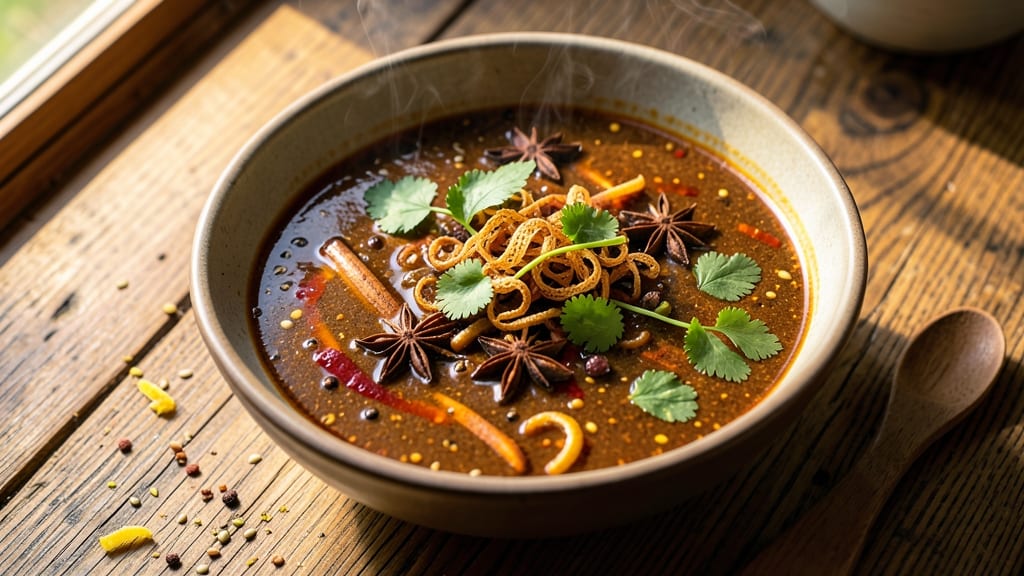
This authentic Chinese curry sauce transforms simple proteins into restaurant-worthy dishes with its deep umami richness and aromatic spice complexity. The secret lies in slow-toasting whole spices—star anise, cinnamon, and cloves—to unlock their hidden flavors before blending them into a velvety coconut milk base.
I've perfected this recipe over years of testing, balancing heat, sweetness, and smokiness to create a sauce that's both traditional and approachable for home cooks.
The foundation begins with a wok-hei-inspired spice toast, where aromatic spices release their essential oils into the oil before being simmered with ginger, garlic, and chili paste. This technique develops layers of flavor that jarred sauces simply can't match.
The sauce thickens beautifully when reduced with coconut milk, creating a luxurious consistency that clings perfectly to noodles, meats, or vegetables.
What makes this sauce truly special is its versatility—it elevates everything from stir-fries to braised dishes, while remaining simple enough for weeknight cooking. The blend of sweet, spicy, and savory notes creates a harmonious balance that's both comforting and exciting.
Once you taste the difference between this homemade version and store-bought alternatives, you'll never go back.
Best of all, the sauce keeps well in the refrigerator for up to 5 days, allowing you to make a big batch for the week.
Whether you're serving it over rice, drizzling it on dumplings, or using it as a marinade, this authentic Chinese curry sauce will become your new kitchen essential. Let's get started on creating this flavor-packed masterpiece.
Ingredients for authentic chinese curry sauce
These aromatic spices and simple pantry staples create restaurant-quality curry sauce at home.
| Ingredient | Amount | Notes |
|---|---|---|
| Vegetable Oil 🫒 | ½ cup | High smoke point preferred |
| Star Anise Pods 🌿 | 2 whole | Whole pods, lightly crushed |
| Cinnamon Sticks 🌿 | 2 whole | 1-inch pieces preferred |
| Cloves 🌿 | 6 whole | Whole, lightly pounded |
| Fennel Seeds 🌶️ | 1 tsp | Toasted for deeper flavor |
| Cardamom Pods 🌿 | 4 whole | Lightly crushed |
| Fresh Ginger 🧄 | ½ cup | Finely grated, aromatic |
| Garlic Cloves 🧄 | 6 cloves | Minced, not pressed |
| Red Chili Paste 🌶️ | ¼ cup | Thai or Chinese preferred |
| Light Coconut Milk 🥥 | 13 ½ oz | Full-fat for richer sauce |
| Soy Sauce 🍶 | ¼ cup | Dark soy preferred |
| Honey 🍯 | 2 tbsp | Or maple syrup for vegan |
| Rice Vinegar 🍶 | 1 tbsp | White or seasoned |
| Salt 🧂 | 1 tsp | Kosher or sea salt |
| White Pepper 🌶️ | ½ tsp | Freshly ground preferred |
The spice blend is where the magic happens. Whole spices like star anise, cinnamon, and cloves need to be lightly toasted in oil to unlock their full aroma—don't skip this step. Penzeys Spices or bulk bins at Whole Foods have the freshest whole spices, but even grocery store brands work if they're not ancient. Look for vibrant color and strong scent—fennel seeds should smell citrusy, cardamom should be piney. The ginger and garlic? Fresh is non-negotiable here. Pre-minced garlic loses flavor fast, and powdered ginger has no depth. Buy a whole root and grate it yourself—it's worth the extra minute.
No star anise? Anise seeds at double the amount work in a pinch, though they're more bitter. Running low on coconut milk? Evaporated coconut milk thickens better, but regular canned milk works too. The chili paste is crucial—Maesri or Thai Kitchen brands have the perfect balance of heat and sweetness. Too spicy? Add a splash of coconut milk to mellow it. The soy sauce matters here too—dark soy adds depth, but regular works if that's what you've got. For extra umami, a dash of fish sauce (if not vegetarian) or soy sauce + a pinch of sugar does the trick.
This sauce tastes even better the next day as flavors meld. Store in an airtight container in the fridge for up to 5 days. For freezing, portion into ice cube trays—perfect for adding to stir-fries or braises later. The spices keep their potency for 6 months in a dark, cool cabinet. Double the batch and freeze half—you'll be glad you did. The sauce thickens as it cools, so thin with a splash of water or coconut milk if needed.
Why You'll Love This Recipe
- Spice Cabinet Magic: I swear by this sauce—no fancy shopping trips needed. Those whole spices (star anise, cinnamon sticks, cloves) are probably already in your pantry, and they wake up the whole dish with just 10 minutes of gentle toasting in oil. Honestly, it’s the kind of recipe that makes me feel like a proper home cook without any fuss.
- Warmth in Every Bite: Between us, this isn’t your typical curry—it’s got that deep, aromatic backbone from the fennel seeds and star anise that lingers like a hug. The slow simmer lets those spices bloom into something rich and complex, not just a quick hit of heat. I’ll be real: my kids still ask for seconds, and they’re not exactly spice lovers.
- One Sauce, Endless Meals: This sauce is my weeknight MVP. Slather it over stir-fried veggies, toss it with rice and tofu, or even drizzle it on roasted chicken thighs. I’ve even used it as a marinade for grilled pork—it’s that versatile. No last-minute panic about what to make; this is my go-to when I’m tired of the same old flavors.
- Budget-Friendly & Meal-Saving: A little goes a long way, and it keeps like a dream in the fridge for up to a week. I make a big batch on Sundays, freeze half, and boom—curry night is sorted for the next three dinners. The spices cost pennies, and the flavor? That’s pure value. Not the prettiest, but the taste makes up for it every time.
Step-by-step instructions for authentic Chinese curry sauce
This sauce builds layer upon layer of aromatic complexity—start with whole spices and work toward velvety richness.
Bloom the Whole Spices in Oil
Heat the 0.5 cup vegetable oil in a heavy-bottomed pot over medium-low heat. Add the 2 whole star anise pods, 2 whole cinnamon sticks, 6 whole cloves, 4 whole cardamom pods, and 1 tsp fennel seeds. Let them simmer gently for 3-4 minutes until the oil becomes fragrant and the spices begin to release their essential oils.
Watch closely—the moment the spices start to sizzle lightly, that's when their magic begins. If the oil darkens or smokes, reduce the heat immediately. These whole spices are the foundation of authentic flavor, so don't rush this step. You'll know it's working when the kitchen fills with that warm, spicy aroma.
Add Ginger and Garlic for Depth
Push the spices to one side of the pot and add the 0.5 cup finely grated fresh ginger and 6 cloves minced garlic cloves. Stir for 1-2 minutes until the raw aroma transforms into something toasty and inviting. The ginger should soften slightly but not brown—this ensures it releases its bright, zesty notes without bitterness.
Here's where the sauce starts to come together. You'll see the ginger turn from pale yellow to a deeper amber color, and the garlic will mellow from sharp to sweet. If the spices stick to the bottom, add a splash of water and scrape with a wooden spoon to release all those flavorful bits.
Incorporate Chili Paste and Build the Base
Add the 0.25 cup red chili paste and stir vigorously for 2-3 minutes until it darkens and thickens slightly. This is where the sauce gets its signature heat and depth. The paste should coat the back of a spoon and leave a faint red sheen in the oil.
Now add the 0.25 cup soy sauce, 2 tbsp honey, and 1 tbsp rice vinegar. Stir constantly for another 2 minutes until the mixture becomes glossy and slightly syrupy. The vinegar brightens the flavors while the honey balances the acidity, creating a perfect harmony. Taste at this stage—you should detect layers of sweet, tangy, and spicy all at once.
Simmer with Coconut Milk for Richness
Pour in the 13.5 oz light coconut milk and bring to a gentle simmer. Reduce heat to low and let it cook uncovered for 15-20 minutes, stirring occasionally. The sauce should thicken gradually, coating the back of a spoon with a velvety texture. Skim off any foam that rises to the surface—this ensures a smooth, professional finish.
This is the moment where all the flavors meld together. The coconut milk softens the spices while adding a subtle creaminess. If the sauce thickens too much, add 1-2 tablespoons of water to reach your desired consistency. The key is patience—rushing here will result in a separated sauce instead of a cohesive, luxurious texture.
Season and Finish
Remove the pot from heat and stir in the 1 tsp salt and 0.5 tsp white pepper. Let the sauce sit for 5 minutes to allow the flavors to fully integrate. The white pepper adds a subtle earthiness that complements the coconut milk beautifully, while the salt rounds out all the complex flavors.
For the final touch, strain the sauce through a fine-mesh sieve if you prefer a completely smooth texture, or leave it slightly rustic with visible spices for an authentic touch. This sauce is now ready to elevate any dish—whether it's stir-fried vegetables, grilled meats, or steamed rice. The balance of sweet, spicy, tangy, and umami makes it truly special.
Pro Tips For Making Authentic Chinese Curry Sauce
- Bloom the Spices Slowly: Start with a cold wok—yes, even if you’re eager—and add the spices (star anise, cinnamon, cloves, fennel) to the oil at medium-low heat. Let them sizzle gently for 2-3 minutes before cranking it up; rushing this step burns the fennel seeds and turns the sauce bitter. I learned this the hard way when my first batch tasted like a campfire.
- Toast Whole Spices First: Dry-toast the whole spices (star anise, cinnamon, cloves) in a separate pan for 30 seconds before adding them to the oil. This deepens their aroma and prevents them from floating like useless bobbers. Skip this, and your sauce will smell underwhelming—trust me, your nose knows.
- Strain Before Simmering: After blooming the spices, immediately strain out the whole pods and sticks through a fine-mesh sieve. Leaving them in the sauce for too long makes it gritty and overpowering. I used to lazy-strain with a slotted spoon, but the bits lingered—now I double-check with a sieve.
- Use Neutral Oil, Not Hot: Vegetable oil is fine, but don’t let it smoke—keep the heat under 300°F (150°C) while blooming the spices. High heat destroys delicate flavors like fennel and cloves. I was skeptical until I tried it; now my sauce tastes complex, not burnt.
Best sauces and condiments for these flavors
Sweet-Spicy Balance
This sauce thrives on balancing sweetness from honey and coconut milk with heat from chili paste. For a milder version, reduce chili paste to 0.125 cup and add 1 extra tbsp honey.
If you love heat, increase chili paste to 0.375 cup and add ½ tsp smoked paprika for depth. I often adjust based on the dish—I use more heat for stir-fries and less for braised meats. 🌶️
Coconut Milk Swaps
Full-fat coconut milk creates the richest texture, but light coconut milk works in a pinch. For a dairy-free alternative, substitute ¼ cup cashew cream (blend soaked cashews with water) for a nutty depth.
If you're avoiding coconut entirely, use ½ cup Greek yogurt (thinned with water) for tangy creaminess. Just remember—these swaps may alter consistency slightly. ✨
Spice Toasting Secrets
Never skip toasting whole spices—they release essential oils that define authentic flavor. Use a heavy-bottomed pot (like All-Clad) to prevent burning. Toast spices over medium-low heat until fragrant (3-4 minutes).
If your kitchen lacks aroma, your sauce will too. I like to crush spices lightly with a mortar and pestle before adding to maximize flavor extraction. 💫
Umami Boosters
For extra depth, add 1 tsp fish sauce (if not vegetarian) or 1 tsp miso paste for umami richness. A pinch of white miso blends seamlessly into the sauce.
For vegetarian versions, 1 tsp soy sauce + ½ tsp sugar mimics fish sauce's savory punch. These tweaks elevate the sauce from good to restaurant-quality. 💡
Texture Control
If your sauce thickens too much, whisk in 1-2 tbsp water or coconut milk. For a smoother finish, strain through a fine-mesh sieve (like OXO Good Grips). If you prefer rustic texture, leave in whole spices—they add beautiful visual contrast and extra flavor layers.
The sauce thickens further when chilled, so adjust consistency before storing. 🥄
Flavor Layering Tips
Build flavor in stages: first toast spices, then cook ginger/garlic, then add chili paste. Each step develops complexity. For extra aroma, add 1 bay leaf during simmering and remove before serving.
A splash of Shaoxing wine (2 tbsp) replaces rice vinegar for a more traditional touch. These small adjustments make a world of difference in the final product. 🍚
Nutrition facts
Frequently asked questions
Why do I need to toast the whole spices?
Toasting whole spices like star anise and cinnamon unlocks their essential oils, creating that authentic aromatic depth you can't get from ground spices. When you heat them gently in oil, they develop complex flavors that ground spices lose quickly. This step is what transforms a basic sauce into something truly restaurant-quality.
Can I make this sauce without coconut milk?
Yes! For a dairy-free alternative, blend ¼ cup soaked cashews with water to make cashew cream, or use ½ cup Greek yogurt (thinned with water) for tangy richness. Just know these swaps may slightly alter the texture—coconut milk creates that signature velvety consistency.
How can I adjust the heat level?
For milder heat, reduce chili paste to 0.125 cup and add 1 extra tbsp honey. For extra spice, increase to 0.375 cup chili paste and add ½ tsp smoked paprika. I recommend adjusting based on your dish—more heat works well for stir-fries, while less suits braised meats.
Will this sauce work with tofu or vegetables?
This versatile sauce clings beautifully to tofu, broccoli, bell peppers, or even eggplant. For extra umami with tofu, marinate it in 1 tbsp soy sauce + 1 tsp cornstarch for 15 minutes before cooking. The sauce's rich flavors complement both proteins and vegetables perfectly.
How long does the sauce keep, and can I freeze it?
Store in an airtight container in the fridge for up to 5 days. For freezing, portion into ice cube trays—thaw quickly in the microwave or fridge as needed. The spices retain their potency for 6 months in a cool, dark cabinet. Double the batch and freeze half for convenience!