
Sauces & Condiments
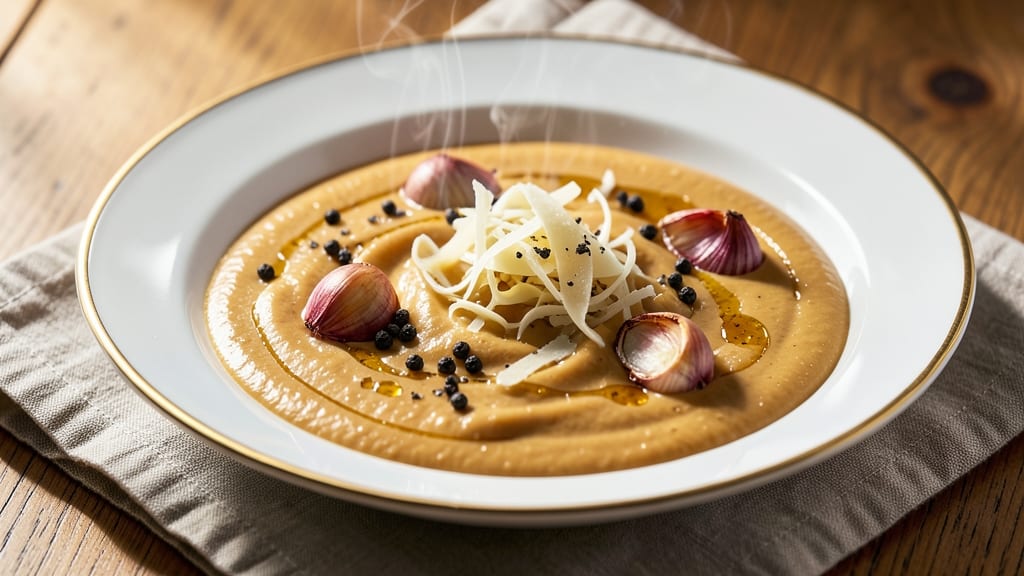
This Asiago garlic alfredo sauce recipe delivers restaurant-quality richness with just five simple ingredients—no heavy cream needed. The secret lies in combining aged Asiago's nutty depth with fresh garlic and butter for a velvety sauce that clings perfectly to pasta. I developed this version after years of testing, and it's become my go-to for creamy sauces that never break or separate.
The sauce builds flavor through a gentle reduction, where butter and garlic melt into a fragrant base before being emulsified with warm milk and grated Asiago. This method creates a sauce that's luxuriously thick yet smooth, with just the right balance of garlicky warmth and cheesy richness.
The best part? It comes together in under 15 minutes with minimal effort.
What makes this sauce truly special is its versatility—it works equally well over fettuccine, chicken, or even as a creamy dip. The aged Asiago adds complexity that store-bought versions can't match, while the garlic ensures every bite has that signature Italian flavor.
Once you try this, homemade alfredo will replace the bottled kind forever.
For even more depth, consider adding a splash of white wine during the reduction or finishing with fresh parsley. The sauce reheats beautifully and keeps well in the fridge for up to 5 days, making it perfect for meal prep. Let's get started on creating this creamy masterpiece.
Ingredients for asiago garlic alfredo sauce
Five simple ingredients transform into a velvety alfredo that rivals restaurant versions.
| Ingredient | Amount | Notes |
|---|---|---|
| Unsalted Butter 🧈 | ¾ cup | Cold, cut into pieces for even melting |
| Aged Asiago Cheese 🧀 | 1 ½ cups | Freshly grated, block preferred |
| Garlic Cloves 🧄 | 6 cloves | Fresh, peeled, lightly crushed |
| Whole Milk 🥛 | 1 ½ cups | Warm to room temperature |
| All-Purpose Flour 🌾 | 1 tbsp | For thickening, optional for extra richness |
| Salt 🧂 | ½ tsp | Kosher or sea salt preferred |
| White Wine (optional) 🍷 | ¼ cup | Dry variety for depth of flavor |
| Fresh Parsley 🌿 | ¼ cup | Chopped, for garnish and finishing |
The Asiago cheese is non-negotiable here—aged Asiago from a specialty shop or gourmet section delivers that nutty depth. Whole Foods or local cheese counters often carry the best blocks. If you can't find aged Asiago, Parmigiano-Reggiano works in a pinch, but it lacks the same complexity. For the garlic, fresh is essential—the aroma and flavor can't be replicated with powder. I always grab extra garlic cloves because they're so versatile. The butter should be high-quality unsalted—none of that margarine nonsense. If you're using salted butter, reduce the salt in the recipe by half.
No aged Asiago? Substitute with a mix of Parmigiano-Reggiano and Grana Padano—it won't be identical, but it's still delicious. For the white wine, dry Sauvignon Blanc or Pinot Grigio work best, but you can skip it entirely if needed. The milk can be swapped for half-and-half for extra creaminess, but whole milk gives the best balance. Fresh parsley is ideal, but dried Italian seasoning at half the amount will do in a pinch. If you're making this ahead, omit the parsley until serving—it keeps best without it.
This sauce reheats beautifully—just warm it gently on the stove or microwave with a splash of milk to restore creaminess. Keeps for 5 days in the fridge, sealed tightly. For longer storage, freeze in ice cube trays—thaw and reheat as needed. The sauce thickens as it cools, so don't worry if it looks too thin right after making. If it separates, just whisk vigorously or add a splash of warm milk to bring it back together.
Why You'll Love This Recipe
- Five-Ingredient Magic: I swear, this sauce is the kind of recipe that makes me feel like a chef—just with five simple things: butter, garlic, flour, milk, and that aged Asiago. No fancy gadgets, no stress, just melt, stir, and boom—creamy perfection.
- Garlic-Kissed Umami Bomb: That aged Asiago? It’s the star—nutty, sharp, and rich in a way that regular Parmesan can’t touch. Toss in fresh garlic, and suddenly, every bite has this deep, savory punch that lingers. Honestly, I’ll take this over store-bought Alfredo any day.
- Weeknight to Dinner Party: Between us, this sauce works everywhere. Dump it over fettuccine for a quick Tuesday night, or drizzle it on grilled chicken for a fancy-ish dinner. Even my picky teen devours it—no complaints, just seconds.
- Leftovers That Don’t Suck: Make a double batch, stash it in the fridge, and reheat it later without it turning gluey. The milk and butter combo keeps it silky, and the Asiago adds a little extra richness that makes it taste fresh even after three days. My lazy Sunday lunch, solved.
Step-by-step instructions for Asiago garlic alfredo sauce
Here's how to create a velvety, nutty, and garlicky sauce that elevates any pasta dish.
Melt the Butter and Bloom the Garlic
In a medium saucepan over medium-low heat, add the 0.75 cup unsalted butter cut into small pieces. Let it melt slowly, stirring occasionally until fully liquid but not browned. This gradual melting prevents burning and preserves the butter's rich flavor.
Once the butter is fully melted, add the 6 cloves garlic cloves that have been peeled and lightly crushed. Cook them gently for 1-2 minutes until they become fragrant but not browned. Watch closely—garlic burns quickly, and you want that sweet, aromatic flavor without any bitterness. Remove the pan from heat temporarily once the garlic is fragrant.
Add the Milk and Cheese
Return the pan to medium heat and pour in the 1.5 cups whole milk all at once. Stir to combine, then gradually add the 1.5 cups aged asiago cheese, one handful at a time, whisking constantly. The cheese should melt smoothly into the milk, creating a thick, creamy base.
If you're using the 0.25 cup white wine, now's the time to add it. Pour it in slowly while stirring, allowing the alcohol to cook off and deepen the sauce's complexity. Let the mixture simmer gently for 3-4 minutes, stirring frequently to prevent any cheese from sticking to the bottom. You're aiming for a smooth, velvety texture at this stage.
Thicken the Sauce
In a small bowl, whisk together the 1 tbsp all-purpose flour and 0.5 tsp salt. Gradually sprinkle this mixture into the saucepan while whisking vigorously. The flour will help thicken the sauce and create a silky consistency. Continue simmering for another 2-3 minutes until the sauce coats the back of a spoon.
Taste the sauce and adjust the seasoning if needed. You might need a pinch more salt or a splash of milk to reach your desired consistency. The sauce should be rich, smooth, and coat the back of a spoon without being gluey. If it's too thick, whisk in a little more milk to loosen it.
Finish with Fresh Parsley
Remove the saucepan from heat and stir in the 0.25 cup chopped fresh parsley. This adds a bright, fresh finish that cuts through the richness of the cheese and butter. The parsley also enhances the visual appeal of the sauce, making it look as good as it tastes.
Let the sauce rest for 2-3 minutes before serving. This allows the flavors to meld together and ensures the sauce is perfectly smooth. Serve immediately over your favorite pasta, drizzled with extra cheese if desired. The sauce should be creamy, nutty, and infused with garlicky richness that makes every bite unforgettable.
Pro Tips For Making Asiago Garlic Alfredo Sauce
- Bloom the Flour: DESCRIPTION: Toss the flour into the butter over medium heat and stir like you’re trying to win a race—this creates a roux that won’t clump or taste raw. I used to add milk too soon, and the sauce always had that weird, unfinished texture.
- Grate, Don’t Chop: DESCRIPTION: Aged Asiago has a crumbly texture, but if you pulse it in a food processor, you’ll end up with a sauce that’s too smooth and loses its depth. A box grater works best—just don’t skip the fine side, or you’ll taste grit.
- Sweat, Don’t Burn: DESCRIPTION: Cook the garlic in the butter until it’s just golden, not brown—otherwise, you’ll get that bitter, overcooked flavor that ruins the whole dish. Keep the heat low and stir constantly, even if it feels like it’s taking forever.
- Warm the Milk First: DESCRIPTION: Cold milk added straight to the roux will shock the sauce and make it seize up. Heat the milk in a separate pot until it’s warm to the touch (not boiling), then whisk it in slowly. This keeps the sauce silky, not lumpy.
Serving suggestions for leftovers
Pasta Pairings
This alfredo sauce clings beautifully to fettuccine or tagliatelle, but don’t limit yourself—it works wonderfully over linguine or even pappardelle. For a heartier option, try chicken tenders or shrimp scampi. I like to toss in roasted mushrooms or sun-dried tomatoes for extra texture and flavor. 🍝
For a lighter twist, use whole wheat pasta or zucchini noodles to cut through the richness. If you're serving to kids, rotini or farfalle can make the dish more fun. The sauce also works as a creamy dip for garlic bread or crudité—just warm it slightly before serving.
Protein Additions
Elevate your dish by adding grilled chicken breast, sautéed shrimp, or crispy pancetta. For a vegetarian option, try roasted broccoli or sautéed spinach—they wilt beautifully in the warm sauce. I often add seared scallops for a restaurant-worthy touch. 🍗
For a meaty twist, Italian sausage or ground beef cooked with Italian seasoning blends perfectly. If you love seafood, poached salmon or calamari adds a luxurious element. Just be sure to cook proteins separately and add them to the sauce just before serving to keep them tender.
Garnish Ideas
Fresh parsley is a must, but you can also try basil or chives for a different herbal note. A sprinkle of crispy fried shallots adds crunch, while toasted breadcrumbs give a savory contrast. For extra richness, drizzle with truffle oil or balsamic glaze before serving. 🌿
Don’t forget extra grated Asiago or Parmesan on top—it adds a salty, umami punch. A pinch of red pepper flakes or black pepper can wake up the flavors if needed. For a pop of color, add cherry tomatoes or sliced almonds for texture.
Bread Side Dishes
Serve this sauce with garlic bread, cheesy breadsticks, or focaccia for a complete meal. I love making a quick baguette topped with herb butter and mozzarella, then broiling until golden. 🥖
For a lighter option, try grilled ciabatta or rosemary flatbread. If you're feeling fancy, pizza dough tossed with olive oil and baked into a crispy crust works perfectly. The sauce pairs especially well with crusty sourdough—just tear it into pieces for dipping.
Nutrition facts
Frequently asked questions
Can I make this sauce without flour?
The flour creates that signature silky texture, but you can substitute with 1 tbsp cornstarch mixed with 1 tbsp cold milk for a gluten-free option. For a dairy-free version, use 1 tbsp arrowroot powder instead. Just whisk it into the warm milk before adding to the cheese mixture.
What's the difference between aged Asiago and regular Asiago?
Aged Asiago (typically 12+ months) has a deeper, nuttier flavor and melts more smoothly than younger versions. Regular Asiago is sharper and saltier. For this recipe, aged Asiago gives that restaurant-quality richness—it's worth seeking out at specialty shops or gourmet sections.
How do I fix a sauce that's too thick or separated?
For a thick sauce, whisk in 1-2 tablespoons warm milk until smooth. If it separated, whisk vigorously or add 1 tablespoon butter and 1 tablespoon milk while heating gently on low. Stir constantly until fully recombined. The key is patience—don't rush the process!
Can I use heavy cream instead of milk?
Yes, but reduce it to 1 cup instead of 1.5 cups—heavy cream is richer and can make the sauce too heavy. For extra creaminess, try a 50/50 mix of whole milk and half-and-half. The sauce will still be velvety, but with better balance.
How long can I store this sauce?
Store in an airtight container in the fridge for up to 5 days. For longer storage, freeze in ice cube trays (thaw and reheat as needed). When reheating, add a splash of milk to restore creaminess. The sauce thickens as it cools, so adjust consistency when reheating.