
Sauces & Condiments
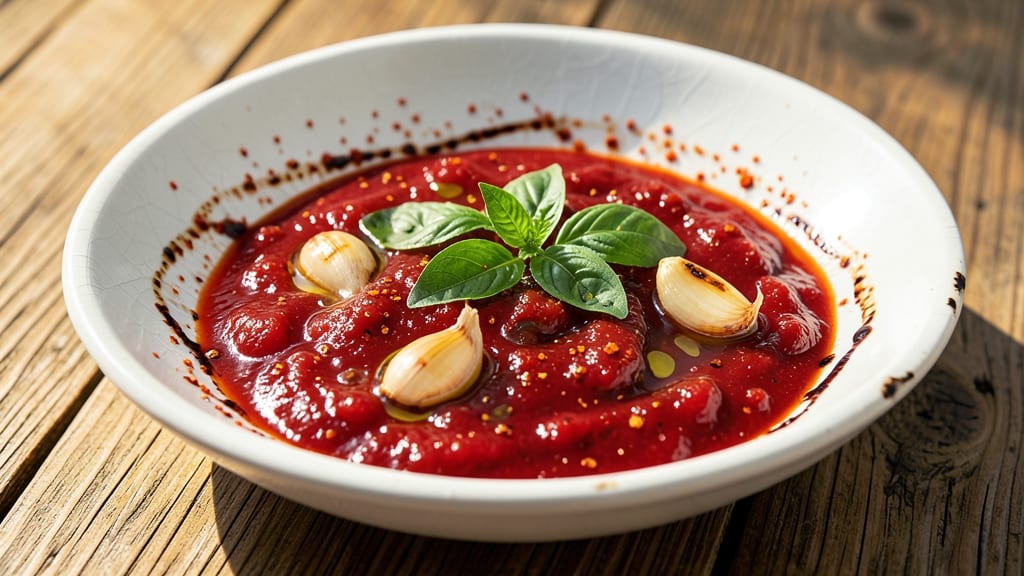
This arrabbiata sauce recipe with fresh tomatoes delivers the bold, spicy kick of authentic Italian cuisine—bright, tangy, and ready in just 20 minutes. The secret lies in ripe tomatoes, fresh garlic, and a touch of chili flakes, all simmered low to concentrate flavors without losing freshness.
I developed this version after years of testing, ensuring every batch captures that perfect balance of heat and acidity that defines true arrabbiata.
The process is straightforward but precise: blend fresh tomatoes with garlic and chili, then reduce the sauce slowly to deepen its intensity. No canned tomatoes here—just vibrant, summer-ripe produce that transforms into a velvety, aromatic sauce with a satisfying bite.
The key is patience; letting it simmer reveals layers of flavor that shortcuts can't replicate.
What you'll end up with is a sauce that's spicy yet balanced, with a glossy finish and just enough acidity to cut through richness. It's the kind of sauce that elevates simple pasta into a restaurant-worthy meal, but with the freshness of a home cook's touch.
The aroma alone will have your kitchen smelling like a Roman trattoria.
Store it in the fridge for up to a week, or freeze for longer—though I doubt it'll last that long. This sauce is best used within a few days, when the flavors are at their peak. Let's make it!
Ingredients for arrabbiata sauce recipe fresh tomatoes
Fresh tomatoes, garlic, and chili flakes—just eight ingredients for bold arrabbiata sauce.
| Ingredient | Amount | Notes |
|---|---|---|
| Fresh Tomatoes 🍅 | 2 lb | Ripe, vine-ripened preferred |
| Garlic Cloves 🧄 | 6 cloves | Fresh, peeled, roughly chopped |
| Red Chili Flakes 🌶️ | 1 tbsp | Adjust for desired heat |
| Extra-Virgin Olive Oil 🫒 | ½ cup | High-quality, fruity variety |
| Fresh Basil Leaves 🌿 | ⅓ cup | Packed, stems removed |
| Red Wine Vinegar 🍷 | 1 tbsp | Balsamic alternative works too |
| Sea Salt 🧂 | 1 tsp | Diamond Crystal preferred |
| Black Peppercorns 🌶️ | ½ tsp | Freshly cracked preferred |
The tomatoes are non-negotiable—vine-ripened ones from your local farmers market or the produce section at Whole Foods make all the difference. Look for ones that are soft when gently squeezed but not mushy. Garlic should be fresh, with no green sprouts—Costco sells great bulbs in bulk. The chili flakes? Penzeys has the best quality, but any good brand works. I usually double-check the heat level by tasting a pinch before adding it all—you can always add more, but you can't take it out.
No fresh tomatoes? San Marzano canned tomatoes in a pinch, but the sauce won't have that same bright freshness. Short on garlic? Garlic powder at half the amount works, but it lacks depth. Swap the basil for parsley if you're out, though it'll be slightly less aromatic. The olive oil should be something you'd drizzle on bread—California extra-virgin brands like Corto or Bertolli are my go-tos. And if you're worried about the vinegar being too sharp, just taste as you go—it balances the acidity beautifully.
This sauce is best used fresh, but it keeps for 5-7 days in the fridge. For longer storage, freeze in ice cube trays—perfect for single servings. I always make a double batch because it disappears fast. The flavor actually improves after a day or two as everything melds together, so don't rush to use it up. Just give it a quick stir before reheating, and you'll be transported to a Roman trattoria in no time.
Why You'll Love This Recipe
- Five-Ingredient Magic: I swear by this—just tomatoes, garlic, chili, oil, and basil. That’s it. No fancy prep, no hidden pantry items. Honestly, the first time I made it, I had to stop mid-chop and laugh at how simple it was.
- Spicy-Sweet Balance: The fresh tomatoes bring bright acidity, while the chili flakes add heat that lingers just right. Between us, that burst of basil at the end? It’s like a little flavor hug for your taste buds—no bitterness, just pure satisfaction.
- Pasta Party Ready: Slap this on spaghetti for a weeknight win, or drizzle it over grilled chicken for a fancy-ish dinner. I’ll be real: it’s my go-to for potlucks because everyone asks for the recipe. (Yes, even on a Tuesday night.)
- Budget-Friendly Fire: Tomatoes and garlic are cheap, and a little olive oil goes a long way. I make this twice a month, and it never feels like I’m breaking the bank. Plus, leftovers taste just as good the next day—no sad, wilted sauce here.
Step-by-step instructions for arrabbiata sauce with fresh tomatoes
This vibrant sauce comes together faster than you think—just 20 minutes of hands-on work for bold, bright flavor.
Prep and Roast the Tomatoes
Preheat your oven to 425°F. Cut the 2 lb fresh tomatoes in half crosswise and place them cut-side down on a baking sheet lined with parchment paper. Roast for 15-20 minutes until the edges are charred and the flesh softens slightly. This step deepens the tomato flavor and removes excess water.
Watch for deep golden-brown spots on the skin—that's your signal they're ready. Once roasted, transfer the tomatoes to a bowl and let them cool slightly before handling. The skins will slip off easily now, making peeling simple. I like to squeeze out any excess liquid through a fine-mesh strainer to keep the sauce from being watery later.
Build the Sauce Base
Heat 0.5 cup extra-virgin olive oil in a large, heavy-bottomed saucepan over medium heat. Add the 6 cloves roughly chopped garlic and cook for 1-2 minutes until fragrant but not browned—garlic burns quickly, so keep an eye on it. Stir in 1 tbsp red chili flakes and cook for another 30 seconds to toast the spices and release their aroma.
Add the roasted tomatoes (peeled and roughly chopped) to the pan. Stir in 1 tbsp red wine vinegar and 1 tsp sea salt. Bring the mixture to a gentle simmer, then reduce heat to low and let it cook uncovered for 10 minutes. This slow cook allows the flavors to meld without burning. You'll see the sauce start to thicken slightly as moisture evaporates.
Finish and Balance the Sauce
After 10 minutes of simmering, add the 0.33 cup fresh basil leaves (packed) and 0.5 tsp freshly cracked black peppercorns. Stir gently and cook for another 3-5 minutes until the basil wilts and the sauce reaches your desired consistency. If it's too thick, add 1-2 tablespoons of water to loosen it.
Taste and adjust seasoning—this is where you decide how spicy it should be. Add more red chili flakes if you want extra heat, or a pinch more sea salt if needed. The sauce should be bright, tangy, and just slightly spicy with a fresh basil finish. Remove from heat and let it sit for 5 minutes to settle before serving—this resting time lets the flavors fully develop.
Pro Tips For Making Arrabbiata Sauce Recipe Fresh Tomatoes
- CRUSH THE GARLIC: I learned this the hard way—raw garlic cloves in arrabbiata taste like a bitter punchline. Smash them with the flat side of your knife first, then let them sit in the oil for 30 seconds before adding tomatoes. That’s when the alchemy happens, turning sharp into sweet.
- SIMMER LOW AFTER BUBBLES: Start hot, but don’t let the sauce rage like a campfire. Once the tomatoes break down and you’ve got a steady simmer, drop the heat to medium-low. I used to rush this, and the sauce either turned mushy or tasted raw—neither is what you want in arrabbiata.
- SALT THE TOMATOES FIRST: Skip seasoning the sauce until the end, but toss the chopped tomatoes with a pinch of salt and let them sit for 10 minutes. This draws out the water, concentrating the flavor before cooking. Trust me, your sauce will taste deeper and brighter—no funny business.
- STIR IN BASIL LATE: Fresh basil wilts and turns bitter if you add it too early. Tear a few leaves at the end, right when the sauce is just about done, and let it steep for 30 seconds before serving. That’s how you get the bright, herbal punch without turning your sauce into a sad, limp mess.
Creative variations of this dish
Spicy-Sweet Fusion
For a modern twist, add 1 tbsp honey or agave nectar along with the red wine vinegar to balance the heat with a subtle sweetness. I like to use local raw honey for depth—it caramelizes beautifully during simmering.
This variation works especially well with shrimp scampi or grilled chicken where the sweetness complements the protein. 🌶️✨
Creamy Arrabbiata
Transform this sauce into a creamy version by stirring in ¼ cup heavy cream or Greek yogurt at the end. For extra richness, add 1 oz mascarpone cheese while the sauce is still warm.
This version pairs perfectly with fettuccine or gnocchi—the creaminess softens the spice while keeping the bright tomato flavor. Just be sure to add the dairy off the heat to prevent curdling.
Roasted Red Pepper Twist
Incorporate ½ cup roasted red peppers (jarred or homemade) into the sauce base for a smoky depth. Blend them directly with the tomatoes before roasting, or add them after the initial simmer.
This variation adds a sweet, smoky note that pairs beautifully with eggplant parmesan or grilled vegetables. I recommend Whole Foods 365 roasted red peppers for convenience and quality.
Herb-Infused Variations
Swap out basil for other fresh herbs to customize the flavor profile. Try ½ cup fresh oregano for a Mediterranean twist, or ¼ cup fresh thyme leaves for an earthy note.
If you love cilantro, add ¼ cup chopped cilantro at the end for a bright, almost Mexican-inspired variation. Each herb changes the sauce's character—experiment to find your favorite!
Slow-Cooked Depth
For an even deeper flavor, simmer the sauce on low heat for 30-45 minutes after adding the basil. This extended cooking time intensifies the tomato and garlic flavors, creating a sauce with a thicker, more concentrated taste.
It’s perfect for braised meats or slow-cooked dishes where you want every bite to be rich and flavorful. Just keep an eye on it—stir occasionally to prevent sticking.
Smoky Chipotle Kick
Add 1-2 chipotle peppers in adobo sauce (minced) along with the chili flakes for a smoky, deep heat. This variation is inspired by Mexican-Italian fusion and works amazingly with chicken enchiladas or stuffed bell peppers.
For a milder version, remove the seeds and membranes first. The smokiness pairs beautifully with the bright acidity of the tomatoes. 🔥
Nutrition facts
Frequently asked questions
Can I use canned tomatoes instead of fresh?
Fresh tomatoes give the brightest, most vibrant flavor, but you can use San Marzano canned tomatoes in a pinch. For best results, crush them by hand and simmer longer to concentrate the flavor. Avoid regular canned tomatoes—they often contain added salt and sugar that can dull the sauce's freshness.
How do I adjust the heat level?
Start with 1 tbsp chili flakes and taste as you go. For more heat, add another ½ tbsp at a time. If it's too spicy, balance it with 1 tbsp honey or a splash of red wine vinegar—both help mellow the spice while keeping the sauce bright. Always taste before serving!
Why does my sauce taste watery?
Watery sauce usually means excess liquid wasn't reduced enough. Simmer uncovered for 10-15 extra minutes on low heat, stirring occasionally. If needed, strain through a fine-mesh sieve to remove excess liquid. For future batches, squeeze roasted tomatoes through a strainer before adding them to the pan.
Can I make this sauce ahead of time?
Yes! This sauce actually tastes better the next day as flavors meld. Store in an airtight container in the fridge for 5-7 days or freeze in ice cube trays for single servings. Reheat gently over low heat, stirring occasionally to prevent scorching. The acidity and spices deepen with time!
What's the best way to serve arrabbiata sauce?
Classic pairings include spaghetti, linguine, or penne pasta, but it also shines with grilled meats, seafood, or as a dipping sauce for crusty bread. For extra richness, finish with grated Parmesan or a drizzle of extra-virgin olive oil. The bright acidity cuts through fatty proteins beautifully!