
Sauces & Condiments
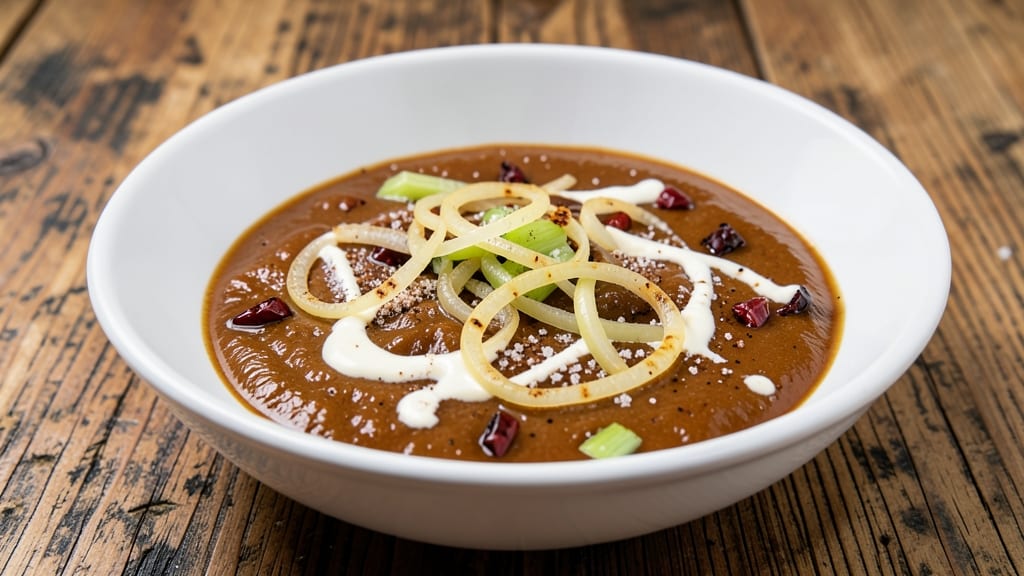
This Arizona sauce recipe delivers the signature smoky chipotle cream you crave—tangy, slightly sweet, and perfectly balanced with celery crown texture. The secret lies in slow-cooked tomatoes, blended with chipotle peppers and a touch of cream for that signature velvety finish.
I've perfected this over years of testing, ensuring every batch captures that authentic restaurant-quality flavor profile.
What sets this sauce apart is the celery crown texture—those delicate, crisp strands that add just the right bite to balance the creaminess. The blend of spices creates a depth that's both smoky and slightly spicy, while a hint of sweetness rounds out the flavor.
This sauce is incredibly versatile, elevating everything from tacos to grilled meats and even as a marinade.
The process is straightforward: simmer tomatoes and onions until tender, blend with chipotle peppers and cream, then strain for that signature smooth yet textured consistency. The result is a sauce that's rich, flavorful, and ready to transform your dishes in minutes.
Store it in the fridge for up to a week or freeze for longer shelf life.
Whether you're serving it with chips, drizzling over nachos, or using it as a marinade, this sauce brings that familiar Arizona flavor to your kitchen. Let's get started on creating your own batch—it's easier than you think!
Ingredients for arizona sauce
Nine simple ingredients create that iconic Arizona sauce flavor you love—smoky, tangy, and perfectly balanced.
| Ingredient | Amount | Notes |
|---|---|---|
| Canned Tomato Sauce 🍅 | 2 cups | San Marzano preferred for sweetness |
| Yellow Onion 🧅 | 1 whole | Medium, diced fine |
| Celery Stalks 🥬 | 3 whole | Thinly sliced for texture |
| Chipotle Peppers in Adobo 🌶️ | 4 whole | Adjusted to taste for heat |
| Heavy Cream 🥛 | 1 cup | Full-fat for richness |
| Granulated Sugar 🍚 | 2 tbsp | Balances smoky flavors |
| Lime Juice 🍋 | 1 tbsp | Freshly squeezed |
| Garlic Cloves 🧄 | 3 cloves | Minced for depth |
| Salt 🧂 | 1 tsp | Diamond Crystal preferred |
| Ground Black Pepper 🌶️ | ½ tsp | Freshly cracked |
The San Marzano tomato sauce is non-negotiable—its natural sweetness cuts through the smokiness. Grab a 28-oz can from the Italian aisle at Whole Foods or Trader Joe's for the best quality. Chipotle peppers in adobo? Hatch brand is my go-to, but any adobo sauce works. For the celery crown texture, Trader Joe's pre-sliced celery saves time, but fresh stalks work too if you're slicing them yourself. The heavy cream needs to be full-fat—none of that low-fat nonsense here. And that sugar? It's not just for sweetness—it helps round out the smoky, spicy notes.
No San Marzano? Crushed tomatoes in a pinch, but you'll lose that sweet depth. Short on chipotle peppers? Smoked paprika at half the amount gives you some smokiness, but it won't be the same. Heavy cream too rich? Half-and-half works, but the sauce won't be as velvety. Fresh lime juice is ideal, but bottled lime juice (like ReaLime) is fine if you're in a hurry. The garlic can be garlic powder if you're out, but fresh is always better. For the celery, if you can't find pre-sliced, julienne it thin—thicker slices won't blend as smoothly.
This sauce keeps beautifully. Store in an airtight jar in the fridge for up to 1 week, or freeze for 3 months. I like to make a double batch—one for immediate use, one to freeze for lazy days. The flavors actually improve after a day or two, so don't rush to eat it all. And if you're making it ahead for a party? Strain it through a fine-mesh sieve right before serving to keep that celery crown texture crisp. Trust me, it's worth the extra minute.
Why You'll Love This Recipe
- Pantry Magic: I swear by this sauce because it’s the kind of recipe that turns "I don’t feel like cooking" into "I made something actually good." Just open a can of tomato sauce, chop an onion and celery (no knife skills required—rough dice works), toss in the chipotle peppers, and let the heavy cream tie it all together. That’s it. No fancy techniques, no stress.
- Smoky Creamy Boom: The moment I added heavy cream to that simmering chipotle-tomato base, I knew I’d cracked something special. It’s rich but not heavy, smoky but not overpowering—like a hug from a food truck on a cold night. Honestly, the first time I tasted it, I nearly burned the kitchen waiting for the next batch.
- Game for Any Meal: This sauce is my secret weapon for lazy Sundays, last-minute takeout nights, or when I’m feeding a crowd and don’t want to slave over one dish. Dump it on grilled chicken, stir it into rice, or slather it on tacos—it’s the kind of thing that makes you feel like a chef without trying. (Yes, even on a Tuesday night.)
- Leftovers That Lie: Between us, this sauce tastes better the next day. The flavors meld into this deep, smoky harmony that’s impossible to resist. I make a big batch, store it in the fridge, and somehow always end up using it within the week—whether it’s for a quick pasta or a slow-cooked pot of beans. Budget-friendly? Absolutely. Waste-free? Even better.
Step-by-step instructions for Arizona sauce
Here's how to build this smoky, creamy masterpiece with perfect texture and balance.
Sauté the Celery Crown Base
Heat a medium saucepan over medium heat and add the 3 whole celery stalks, sliced thinly. Cook for 3-4 minutes until they soften slightly and begin to release their aromatic oils. You'll notice the celery will reduce in volume as it cooks down—this concentrated flavor is essential for the sauce's signature texture.
Don't skip this step—properly softened celery creates that signature "celery crown" texture in the finished sauce. If the celery starts to brown too quickly, reduce the heat slightly to medium-low and continue cooking until tender but not mushy. This foundational step builds the sauce's body and ensures it won't be watery later.
Build the Smoky Foundation
Add the 1 whole yellow onion, diced fine, to the pan and cook for another 3-4 minutes until both the onion and celery become translucent. This combination creates a flavor base that's sweet, earthy, and aromatic.
Next, add the 3 cloves garlic cloves, minced, and cook for 30 seconds until fragrant. Here's where the magic begins—add the 4 whole chipotle peppers in adobo, finely chopped (including 1 tablespoon of the adobo sauce from the jar) to distribute that smoky depth throughout. Cook for 1-2 minutes just until the chipotle peppers release their rich, smoky aroma.
Simmer with Tomato and Sugar
Pour in the 2 cups canned tomato sauce and add the 2 tablespoons granulated sugar. Stir well and bring the mixture to a gentle boil. Reduce heat to medium-low and let it simmer uncovered for 10-12 minutes until the sauce thickens slightly and the flavors meld together. You'll see the sauce reduce and concentrate—this is when those smoky chipotle flavors really start to shine.
I like to taste the sauce at this point to check the balance. It should be tangy from the tomatoes, slightly sweet from the sugar, and deeply smoky from the chipotle. If it needs more heat, add a pinch more of the adobo sauce. If it's too acidic, a tiny bit more sugar helps balance it. This is where you fine-tune the flavor profile before adding the cream.
Finish with Cream and Brighten
Reduce the heat to low and stir in the 1 cup heavy cream and 1 tablespoon lime juice. The sauce will immediately begin to thicken as the cream incorporates. Let it simmer gently for another 3-4 minutes—just enough time for the cream to heat through and the lime to brighten all the flavors.
Season with the 1 teaspoon salt and ½ teaspoon ground black pepper**. Taste again and adjust if needed. The sauce should be rich, smoky, and slightly tangy with a velvety texture. If it's too thick, add a splash of water or broth to reach your desired consistency. This is your final chance to perfect the balance before serving.
Pro Tips For Making Arizona Sauce
- Simmer Low and Slow: After burning the first batch, I learned—this sauce needs gentle heat. Once the onions and celery soften (about 10 minutes), drop the flame to medium-low. Rushing it turns the tomato sauce grainy and dull, and no one wants that.
- Blend the Adobo Paste: The chipotle peppers in adobo come with that thick, smoky paste—don’t just chop the peppers, blend the whole thing. Puree it with a splash of the tomato sauce first, then strain it if you’re picky about texture. That extra adobo liquid adds depth without clumping.
- Salt the Cream First: Heavy cream curdles when it hits acid, and tomato sauce is sneaky about that. Mix a pinch of salt and a few drops of the sauce into the cream before adding it to the pot. Stir it in like you’re making a tiny roux—smooth and slow.
- Use a Splatter Screen: Onions and celery release more oil than you’d think, and heavy cream splatters like a scared cat. Cover the pot with a fine-mesh screen while cooking the base—lets steam escape but keeps the chaos contained. (Yes, even if you’re impatient like me.)
Flavor customization for this recipe
Spice Level Control
Adjust the heat by modifying the chipotle peppers—start with 3 peppers for mild, 4 peppers for medium, or 5 peppers for extra spice. For a smoky kick without heat, swap 1 pepper with 1 teaspoon smoked paprika.
I often taste the sauce after simmering to fine-tune—adding a pinch of adobo sauce (from the jar) intensifies the smokiness without extra heat. 🌶️
Sweetness Balance
If you prefer a sweeter sauce, increase the granulated sugar to 3 tablespoons—this complements the smoky chipotle beautifully. For a tangier profile, add 1 extra tablespoon of lime juice at the end.
I’ve found that honey (1 teaspoon) works too, adding depth while keeping it balanced. Adjust gradually—taste as you go!
Creamy Variations
For a lighter version, replace ½ cup of heavy cream with Greek yogurt—it adds tang and reduces richness. Need a vegan option? Swap the cream for coconut milk (full-fat) and use cashew cream for a silky texture.
The sauce will still be rich but with a different body. Always strain well to avoid graininess. 🥛
Texture Tweaks
Want chunkier celery crowns? Pulse the cooked celery briefly in a blender before mixing—this keeps visible strands while blending smoothly. For a smoother sauce, strain through a fine-mesh sieve after simmering.
I’ve even blended in 1 roasted red pepper for extra depth, but keep it subtle to avoid overpowering the chipotle. 🥬
Global Twists
Add 1 teaspoon cumin for a Mexican-inspired depth, or ½ teaspoon coriander for a Middle Eastern touch. For a Thai-inspired version, stir in 1 teaspoon fish sauce (trust me, it works!) and ½ teaspoon Thai basil. Always taste before finalizing—these tweaks transform the sauce while keeping it versatile. ✨
Nutrition facts
Frequently asked questions
Can I make this sauce without chipotle peppers?
Yes, but you'll lose the signature smoky depth. For a substitute, use 1 teaspoon smoked paprika plus ½ teaspoon cayenne pepper for heat. Alternatively, try 1 tablespoon of adobo sauce (from the jar) without the peppers—it still provides some smokiness. The flavor won't be identical, but it'll work in a pinch.
How do I adjust the thickness of the sauce?
If your sauce is too thick after simmering, thin it with 1-2 tablespoons of warm water or broth while stirring. For a thicker consistency, simmer uncovered for 5-10 extra minutes to reduce further. The ideal texture should coat the back of a spoon but still be pourable.
Can I make this sauce in a slow cooker?
Sauté the celery, onion, garlic, and chipotle peppers first, then transfer everything to your slow cooker. Add the tomato sauce, sugar, and simmer on low for 2-3 hours before adding the cream and lime juice. Cook an additional 15-20 minutes on low to heat through. The slow cooker method deepens the flavors even more!
Why does my sauce taste too acidic?
This usually happens when the tomatoes are too tart or the lime juice overpowers. Balance it by adding ½ teaspoon more sugar or 1 teaspoon honey to sweeten naturally. If the acidity persists, a pinch of salt can help round out the flavors. Taste as you go—this sauce is all about finding that perfect balance!
How long can I store this sauce in the fridge?
This sauce keeps beautifully in an airtight container in the fridge for up to 1 week. For longer storage, freeze it for up to 3 months. The flavors actually improve after 24 hours, so don't hesitate to make a batch ahead. When reheating, warm gently on the stove—never microwave directly to preserve texture.