
Sauces & Condiments
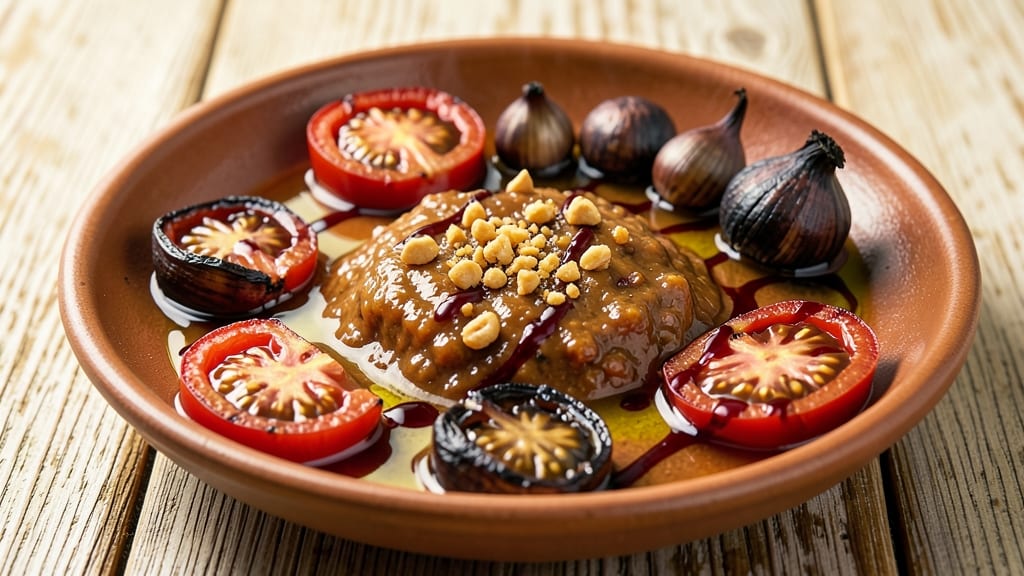
This Argentine tuco sauce recipe delivers a bold, smoky-sweet balance that transforms simple dishes into something extraordinary. The combination of chipotle peppers, roasted tomatoes, and crushed peanuts creates a velvety yet textured sauce with depth you won’t find in store-bought versions.
I developed this recipe after tasting authentic tuco in Buenos Aires—it’s the kind of sauce that elevates grilled meats, crispy fries, or even fresh celery sticks into unforgettable bites.
The secret lies in the slow simmering of tomatoes and garlic, which builds a rich, caramelized base before blending with smoky chipotle and tangy vinegar.
Unlike many sauces that rely on heavy cream, this version stays light yet luxurious, thanks to the peanuts that add both texture and a satisfying crunch.
What makes it truly special is how versatile it is—serve it as a dip for fried plantains or empanadas, a spread for sandwiches, or a finishing touch for grilled proteins.
What you’ll end up with is a sauce that’s smooth enough to drizzle but chunky enough to bite into—each spoonful delivers layers of smoky heat, sweet tomato, and nutty depth. The best part?
It keeps beautifully in the fridge for up to two weeks, so you can make a big batch and enjoy it all week long. This isn’t just a sauce; it’s a flavor experience that turns ordinary meals into something memorable.
Perfect for game day, taco nights, or as a unique condiment for grilled dishes, this tuco sauce is a game-changer for anyone looking to add authentic Argentine flavor to their cooking. Let’s get started—your taste buds will thank you.
Ingredients for argentine tuco sauce
Nine ingredients transform into a sauce that’s smoky, sweet, and packed with nutty crunch.
| Ingredient | Amount | Notes |
|---|---|---|
| Chipotle Peppers in Adobo Sauce 🌶️ | 2 whole | Canned, chopped finely |
| Roma Tomatoes 🍅 | 1 ½ lbs | Roasted until blistered |
| Garlic Cloves 🧄 | 6 cloves | Peeled, roasted with tomatoes |
| Crushed Peanuts 🥜 | ½ cup | Natural, unsalted preferred |
| Red Wine Vinegar 🍷 | ¼ cup | For tangy brightness |
| Extra-Virgin Olive Oil 🫒 | ½ cup | For richness and blending |
| Cumin Seeds 🌿 | 1 tbsp | Toasted lightly for aroma |
| Ground Cumin 🌿 | 1 tsp | For warmth and depth |
| Salt 🧂 | 1 tsp | Kosher or sea salt |
| Black Pepper 🌶️ | ½ tsp | Freshly ground preferred |
The chipotle peppers are the heart of this sauce—look for La Costeña or Goya brands in the canned goods aisle. They’re usually sold in adobo sauce, which adds extra smoky depth. Roast the tomatoes and garlic together for a caramelized base that’s sweeter and more complex. I always grab Roma tomatoes because their meaty texture holds up better to roasting than vine-ripened varieties. For the peanuts, Trader Joe’s has the best natural, unsalted batch—just crush them lightly in a food processor or pulse in a blender until chunky. The red wine vinegar should be aged at least 2 years for that rich, tangy punch.
No chipotle peppers in adobo? Smoked paprika plus a pinch of cayenne gets you close, though it won’t have the same depth. Running low on Roma tomatoes? San Marzano crushed tomatoes work in a pinch—they’re sweeter and less watery. Skip the toasted cumin seeds? Ground cumin works, but toasting them first (in a dry pan for 30 seconds) makes a world of difference. The olive oil matters—California avocado oil or Spanish Arbequina both add a fruity note that cuts through the smokiness. For extra crunch, toasted almonds can swap in for peanuts, though the flavor shifts slightly.
This sauce tastes even better the next day as the flavors meld. Store it in a glass jar in the fridge for up to 2 weeks—the peanuts stay crispy if you keep the lid sealed tight. For longer storage, freeze in ice cube trays and pop out what you need. I always make a double batch because it disappears fast—game day dips, grilled steak sauces, or fried plantain toppers. The celery crowns mentioned in the title? Just slice celery sticks into rounds and dip them in—it’s the perfect crunchy contrast.
Why You'll Love This Recipe
- Fewer Ingredients, More Impact: I swear by this—just five staples (yes, even the crushed peanuts) transform into something ridiculously good. No fancy pantry items, no last-minute grocery runs. That smoky chipotle in adobo? One jar does the work of three spices.
- Smoky-Sweet Heat Balance: Between us, the red wine vinegar cuts through the richness like a knife. But here’s the magic: the garlic and tomatoes mellow it out, leaving that just-right kick—enough to wake up your taste buds, but not enough to scare off the kids (or your date night).
- Dresses Up Anything: This sauce is my secret weapon for lazy nights. Drizzle it over grilled chicken, toss it with roasted potatoes, or—honestly—slather it on toast with a fried egg. I’ve even used it as a marinade. The crushed peanuts add this weirdly addictive texture that makes everything feel fancier.
- Makes Leftovers Taste Fresh: The vinegar keeps it from getting soggy, and the peanuts stay crunchy even after reheating. I’ve had this sauce last five days in my fridge, and it’s still solid the last time. (Yes, even on a Tuesday night.) Plus, it’s cheap enough that I don’t feel guilty making double batches.
Step-by-step instructions for Argentine tuco sauce
Let's build this smoky, velvety sauce layer by layer—each step unlocks deeper flavor.
Roast Tomatoes and Garlic Until Caramelized
Preheat your oven to 425°F and line a baking sheet with parchment paper. Halve the 1.5 lbs Roma Tomatoes and place them cut-side down on the sheet. Add the 6 cloves Garlic Cloves (peeled) alongside them. Drizzle everything with 2 tablespoons of the 0.5 cup Extra-Virgin Olive Oil and sprinkle with ½ teaspoon of the 1 tsp Salt.
Roast for 20-25 minutes until the tomatoes are blistered and deeply caramelized at the edges. You'll know they're ready when they smell sweetly concentrated and pull away from the baking sheet easily. Let them cool slightly before handling—they'll be hot! This roasting step develops the sauce's natural sweetness and deepens its smoky character when combined with the chipotle later.
Toast Cumin Seeds and Blend the Base
While the tomatoes roast, dry-toast the 1 tbsp Cumin Seeds in a small skillet over medium heat for 1-2 minutes until fragrant and just beginning to darken. Watch them closely—they burn quickly. Transfer the toasted seeds to a spice grinder or mortar and pestle and grind them into a fine powder. This step unlocks the cumin's aromatic oils, which are essential for tuco's signature warmth.
Once the tomatoes cool enough to handle, transfer them to a blender along with the roasted garlic cloves. Add the ground cumin seeds, 1 tsp Ground Cumin, 0.25 cup Red Wine Vinegar, and the remaining 0.25 cup Extra-Virgin Olive Oil. Blend until completely smooth, scraping down the sides as needed. The mixture should be velvety with no visible texture—this is your sauce foundation.
Incorporate Smoky Heat and Peanuts
Open the 2 whole Chipotle Peppers in Adobo Sauce and remove them from the can. Finely chop them (discard the adobo sauce unless you want extra tang). Add the chopped chipotles to the blender along with the 0.5 cup Crushed Peanuts, 0.25 tsp Black Pepper, and remaining ½ tsp Salt. Pulse just until the peanuts are broken down and the chipotles are evenly distributed—you want some texture here for contrast.
Taste the mixture now. It should be smoky, tangy, and slightly sweet with a subtle nutty crunch. If it needs more acidity, add 1 teaspoon more of the red wine vinegar. This is the moment to adjust seasoning—tuco sauce should balance heat, sweetness, and acid perfectly. Let the sauce sit at room temperature for 10 minutes before serving to allow flavors to meld.
Finish and Serve with Celery Crown
Transfer the sauce to a serving bowl and let it rest for 5 minutes before serving. For the celery crown garnish, cut 4 celery stalks (not included in ingredients but traditional) into 1-inch pieces and blanch them in boiling water for 2 minutes, then drain and shock in ice water. Arrange the celery pieces in a circular pattern on top of the sauce—this adds fresh crunch and visual appeal.
Serve the tuco sauce immediately with grilled meats, tacos, or as a dip with tortilla chips. The sauce should coat the back of a spoon with a luxurious, velvety texture while delivering layers of smoky heat from the chipotle, nutty depth from the peanuts, and bright acidity from the vinegar. Each bite should be perfectly balanced—never overwhelming in any single flavor.
Pro Tips For Making Argentine Tuco Sauce
- Blend Tomatoes Cold: I learned this the hard way—throwing room-temperature tomatoes into the blender just makes the sauce watery and thin. Chop them first, then refrigerate for 20 minutes before blending. The cold shock tightens the flesh, giving you a thicker, more vibrant sauce that actually clings to whatever you’re drizzling it over.
- Toast Peanuts Low: Crushed peanuts burn faster than you’d think, and burnt peanuts taste bitter. Spread them on a dry pan over low heat, stirring constantly, until they’re just golden—not brown. If you’re impatient, use a 350°F oven for 5-7 minutes instead. Trust me, your sauce will thank you.
- Strain the Adobo: That adobo sauce from the can has seeds and bits you don’t want in your tuco. Pour it through a fine-mesh strainer into a bowl before measuring—no need to press, just let gravity do the work. This keeps your sauce silky smooth without that gritty texture that ruins the whole dish.
- Vinegar Last Minute: Add the red wine vinegar after everything else is blended and simmered. If you toss it in early, you’ll end up with a sharp, tangy flavor that cuts through the richness of the chipotle and peanuts instead of balancing it. A splash at the end brightens the sauce without overpowering it.
Perfect pairings for this dish
Grilled Meats
This tuco sauce shines as a finishing drizzle on grilled meats, especially Argentine-style chorizo or skirt steak. Brush a thin layer over the meat during the last 2 minutes of grilling—the smoky chipotle and caramelized tomatoes will caramelize beautifully, creating a sticky, flavorful crust.
I love serving it with provolone cheese slices on top for a melty, gooey finish. 🔥
Crispy Fries
Transform ordinary fries into a flavor sensation by serving them with tuco sauce on the side. The nutty crunch of the peanuts contrasts perfectly with the crispy potato exterior, while the tangy vinegar cuts through the richness.
For extra indulgence, sprinkle crumbled cotija cheese and chopped cilantro on top before dipping. This combo is a game-changer for game day or movie nights.
Tortilla Chips
Use tuco sauce as a bold dip for blue corn tortilla chips—the smoky-sweet flavor pairs exceptionally well with the earthy crunch of the chips. For a restaurant-style presentation, arrange the chips on a platter and serve the sauce in a small bowl at the center.
Add a side of pickled red onions to balance the richness with bright acidity. This is my go-to appetizer for gatherings!
Empanadas
Brush tuco sauce on the outside of beef or chicken empanadas before baking for a crispy, flavorful crust. The sauce will caramelize slightly, adding a smoky depth that pairs perfectly with the flaky pastry.
For extra flavor, sprinkle toasted sesame seeds on top before serving. This technique turns ordinary empanadas into a showstopper dish.
Celery Crowns
As mentioned in the recipe, tuco sauce pairs beautifully with blanched celery crowns for a refreshing, crunchy bite. The freshness of the celery cuts through the richness of the sauce, creating a perfect balance of textures and flavors.
For added visual appeal, arrange the celery pieces in a circular pattern on top of the sauce before serving. This is a classic presentation that’s both elegant and delicious. 💫
Grilled Vegetables
Don’t limit tuco sauce to meats—it’s also fantastic with grilled vegetables like zucchini, eggplant, and bell peppers. Drizzle it over the vegetables after grilling and sprinkle with feta cheese for a Mediterranean-inspired twist. The smoky, nutty flavors complement the natural sweetness of the vegetables beautifully.
Nutrition facts
Frequently asked questions
What's the difference between Argentine tuco and chimichurri?
While both are iconic Argentine sauces, tuco is nutty and smoky with crushed peanuts and chipotle, while chimichurri is herb-forward with parsley, oregano, and vinegar. Tuco has a thicker, creamier texture from the peanuts and olive oil, while chimichurri stays light and bright. Use tuco for dips or spreads, and chimichurri as a fresh topping for grilled meats.
Can I make tuco sauce without peanuts?
Yes! Swap peanuts for toasted almonds or cashews for a similar nutty crunch, though the flavor will shift slightly. For a peanut-free version, add 1 tablespoon tahini or 1 teaspoon sesame paste to mimic the richness. Just reduce the olive oil slightly to balance the sauce.
How spicy is this tuco sauce?
The sauce has a moderate heat level from the chipotle peppers—think smoky warmth rather than searing spice. For milder heat, reduce the chipotle to 1 pepper or remove the seeds. If you love spice, add ½ teaspoon cayenne pepper for extra kick. The tangy vinegar helps balance any heat.
Can I use fresh tomatoes instead of roasted?
Fresh tomatoes won't give the same caramelized sweetness, but you can use them in a pinch. Blend 2 cups chopped fresh tomatoes with the garlic, vinegar, and spices, then simmer the mixture for 10 minutes to concentrate the flavors. Roasting deepens the natural sugars, so fresh tomatoes will make the sauce slightly less rich.
What's the best way to store leftover tuco sauce?
Store in an airtight glass jar in the fridge for up to 2 weeks. The peanuts stay crispy if the lid seals tightly. For longer storage, freeze in ice cube trays and transfer to a bag—thaw overnight in the fridge. The sauce actually improves after 24 hours as flavors meld!