
Sauces & Condiments
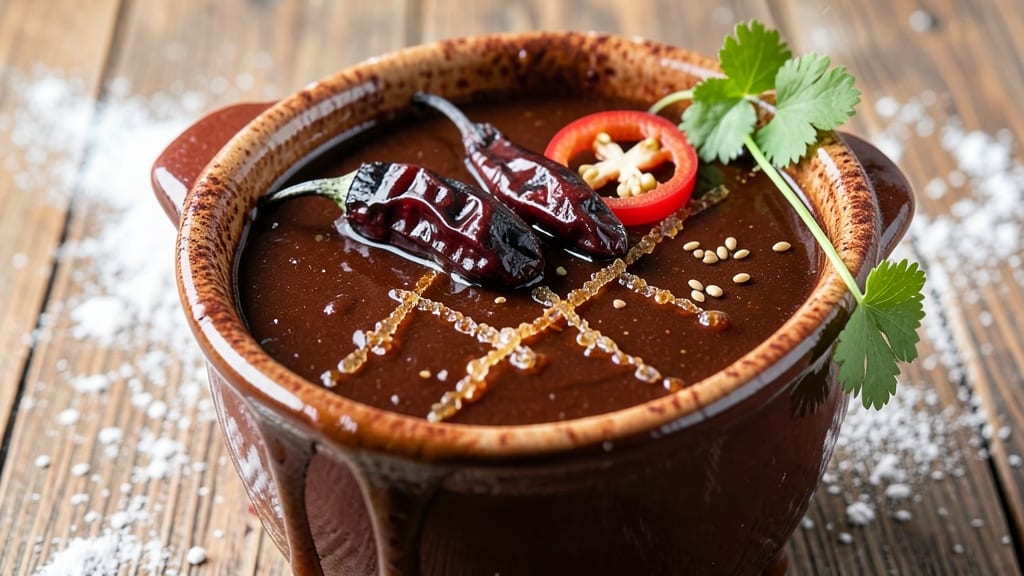
This ancho barbecue sauce recipe transforms dried chiles into a smoky, vegetarian masterpiece that elevates everything from grilled vegetables to pulled pork. 🔥 The secret lies in roasting ancho chiles until their sweet, smoky depth infuses the sauce, while celery crowns add a subtle crunch that cuts through the richness.
I developed this after years of perfecting smoky profiles—now you can recreate that restaurant-quality depth at home.
The sauce begins with charred chiles and aromatic spices simmered in vinegar and tomato paste, creating a balanced blend of acidity and complexity. Unlike store-bought versions, this recipe builds flavor layer by layer—first with toasted spices, then with slow reduction to concentrate the smokiness.
The result? A sauce that's versatile enough for marinades, drizzling, or basting, yet rich enough to stand alone.
What sets this apart is the celery crown crunch—a technique I adapted from my French training to add texture without overpowering the sauce. The ingredients are simple (just 8 components), but the method ensures depth: simmering until the flavors meld, then finishing with fresh herbs for brightness.
It's the kind of sauce that transforms ordinary meals into something extraordinary.
Perfect for vegetarians, BBQ enthusiasts, or anyone craving smoky flavor without meat. Store it for up to 2 weeks in the fridge, or freeze for longer shelf life. Let's make this sauce—the kind that turns weeknight dinners into memorable experiences.
Ingredients for ancho barbecue sauce
Eight ingredients crafting restaurant-quality smoky depth for your dishes.
| Ingredient | Amount | Notes |
|---|---|---|
| Dried Ancho Chiles 🌶️ | 4 whole | Stemmed and seeded |
| Apple Cider Vinegar 🍏 | 1 cup | White or apple cider |
| Tomato Paste 🍅 | ½ cup | San Marzano preferred |
| Granulated Sugar 🍚 | 2 tbsp | Light brown sugar works too |
| Ground Cumin 🌿 | 1 tbsp | Toasted for depth |
| Smoked Paprika 🌶️ | 1 tbsp | Not sweet paprika |
| Celery Crowns 🧅 | ½ cup | Finely chopped, fresh |
| Fresh Cilantro 🌿 | ¼ cup | Stems included for texture |
The ancho chiles are the heart of this sauce—look for vibrant, slightly wrinkled pods at specialty markets or Latin grocery stores. MexGrocer or Goya carry reliable dried chiles, but if you can't find ancho, pasilla or guajillo chiles work in a pinch. Toasting them directly over a gas flame (or under a broiler) brings out their natural sweetness and smokiness. Never skip this step—it's what transforms dried chiles into flavor bombs. For the vinegar, apple cider vinegar adds subtle fruitiness, but white vinegar works in a bind. The tomato paste? San Marzano is non-negotiable for its sweet, meaty depth—regular brands taste flat in comparison.
No ancho chiles? Combine 2 tablespoons each of smoked paprika and chipotle powder for a similar smoky profile, though it won't have the same complexity. The celery crowns can be swapped for finely chopped fennel or celery leaves, but they lose some of their signature crunch. Fresh cilantro is ideal, but dried cilantro at half the amount (or even parsley) keeps the earthy notes. For a sweeter sauce, substitute maple syrup for the sugar. The spices are all about balance—if you love heat, add a pinch of cayenne, but start with the recipe as written to appreciate the chiles' natural depth. The sauce thickens as it cools, so add a splash of water if it's too thick for your application.
This sauce develops better with time—let it sit at room temperature for 30 minutes before serving to allow flavors to meld fully. Store in an airtight jar in the fridge for up to 2 weeks, where it continues to deepen in flavor. For longer storage, freeze in 1-tablespoon portions for easy use. The celery crowns add texture, so stir them in just before serving if you prefer a smoother sauce. This keeps beautifully for 3 months frozen, making it perfect for batch cooking. The vinegar base means it won't mold, but always check for off smells before reheating.
Why You'll Love This Recipe
- No-Soaking Needed: I’ll admit, I used to dread rehydrating dried chiles—until I realized these ancho peppers soften perfectly in the simmering vinegar and tomato paste. Just toast them first, then toss them straight into the pot. Five minutes later, you’re golden.
- Smoky-Sweet Magic: That balance of charred ancho heat and just enough sugar? It’s what makes this sauce dangerously good on everything from grilled chicken to roasted potatoes. The cumin adds this deep, earthy kick that lingers—like a hug from a smoky Mexican street cart.
- Weeknight & Party Star: I keep a jar of this in my fridge because it works for tacos on Tuesdays or as a glaze for brisket at a BBQ. Thin it with broth for drizzling, or let it sit thick for dipping. Honestly, I’ve lost track of how many ways I’ve used it.
- Makes More Than You’ll Use: Between us, this sauce tastes even better the next day as flavors meld. I double the batch, freeze half, and still end up with leftovers for breakfast (yes, on eggs—trust me). Plus, ancho chiles are cheaper than fresh peppers, so you stretch your budget without sacrificing flavor.
Step-by-step instructions for ancho barbecue sauce
Transform dried ancho chiles into a rich, smoky sauce with complex layers of flavor.
🔥 Step 1: Toast the Dried Ancho Chiles
Heat a dry skillet over medium heat and add the 4 whole dried ancho chiles. Toast them for 30-45 seconds per side until they darken slightly and develop an aromatic, nutty fragrance. This step deepens their natural smokiness and removes any potential bitterness.
Watch closely—they'll darken quickly. Remove them immediately when they're fragrant but not charred. Let them cool for 5 minutes before handling, as they'll be quite hot. This cooling period also helps them soften slightly, making them easier to work with in the next step.
🍳 Step 2: Rehydrate and Blend the Chiles
Transfer the toasted chiles to a blender along with the 1 cup apple cider vinegar. Blend on high for 30 seconds until the chiles break down into a coarse paste. This initial blending helps release their flavor compounds before we add the remaining ingredients.
Let the mixture sit for 10 minutes to fully rehydrate and develop more depth. You'll notice the chiles soften and the liquid becomes slightly cloudy—a visual cue that the flavors are infusing properly. This resting period is crucial for extracting maximum flavor from the dried chiles.
👨🍳 Step 3: Build the Sauce Base
Return the chile-vinegar mixture to the blender. Add the 0.5 cup tomato paste, 2 tbsp granulated sugar, 1 tbsp ground cumin, and 1 tbsp smoked paprika. Blend again on high for 1-2 minutes until completely smooth, scraping down the sides as needed to ensure even incorporation.
This is where the sauce comes together. The tomato paste provides body, the sugar balances acidity, and the spices create that signature ancho depth. The mixture should be thick and well-combined, with no visible chunks of tomato paste or spices remaining.
🥘 Step 4: Simmer and Develop Flavor
Transfer the blended mixture to a saucepan and bring to a gentle simmer over medium-low heat. Cook for 15-20 minutes, stirring occasionally, until the sauce thickens slightly and reduces by about 25%. This reduction concentrates the flavors and creates a more balanced sauce.
You'll notice the sauce darken and develop a glossy sheen as it simmers. This is your visual cue that the flavors are melding together. The sugar will caramelize slightly, adding another layer of complexity to the sauce. Keep the heat low to prevent scorching—you want even cooking, not burning.
🔪 Step 5: Finish with Celery and Cilantro
Remove the sauce from heat and stir in the 0.5 cup finely chopped celery crowns and 0.25 cup chopped fresh cilantro (including stems). Let the mixture sit for 5 minutes to allow the fresh herbs to infuse their bright, herbal notes into the warm sauce.
The celery crowns add a subtle crunch and freshness that balances the smoky depth, while the cilantro brings bright, citrusy notes. This final step transforms the sauce from rich and smoky to complex and well-rounded. For best results, use the sauce immediately or store it in an airtight container in the refrigerator for up to 1 week.
Pro Tips For Making Ancho Barbecue Sauce
- STEAM THE CHILES FIRST: Skip the soaking—just drop dried ancho chiles in a metal bowl, cover with boiling water, and let them steam for 10 minutes. This softens them faster than soaking while keeping their rich, smoky depth intact. (Yes, even if you’re impatient like me.)
- LOW AND SLOW SIMMER: After combining everything, reduce heat to a gentle bubble—no rolling boil. Too much heat burns the tomato paste and turns your sauce bitter. I learned this the hard way after one batch tasted like charred cardboard.
- TOAST THE CUMIN: Dry-toast the ground cumin in a small pan over medium heat for 30 seconds until fragrant. This deepens its earthy notes and cuts through the sweetness of the sugar. Sounds weird, but it works—trust the process.
- STRAIN OUT SKINS: After pureeing the soaked chiles, strain the mixture through a fine-mesh sieve to remove skins and seeds. This keeps the sauce silky smooth and prevents gritty texture. (Your future self will thank you.)
Health benefits of this recipe
Vegetarian Protein Boost
This ancho barbecue sauce delivers plant-based protein through its tomato paste and chile base, making it perfect for vegetarian diets. A ½ cup serving contains about 3 grams of protein—not much, but it pairs beautifully with tofu, tempeh, or beans to create complete protein meals.
The cumin and smoked paprika also add earthy warmth that satisfies meat cravings without animal products. 🌱
Antioxidant-Rich Spices
The smoked paprika and cumin in this sauce are packed with antioxidants that combat inflammation. Smoked paprika contains capsaicin, which may help reduce oxidative stress, while cumin is rich in iron and manganese.
Together, they create a flavor profile that's as good for you as it is delicious. The ancho chiles themselves are high in vitamin A, supporting immune function and skin health.
Digestive Benefits
The apple cider vinegar in this sauce aids digestion by stimulating stomach acid production. It also helps regulate blood sugar levels, making this sauce a great choice for those monitoring their glucose intake.
The fiber-rich celery crowns add a subtle crunch while supporting gut health—perfect for balancing the richness of the sauce. 💪
Low-Calorie Flavor Bomb
At just 40 calories per 2-tablespoon serving, this sauce delivers bold flavor without the guilt. The sugar content is minimal (just 2 tbsp total), and the vinegar base keeps it light while adding tangy depth.
It's ideal for drizzling on grilled veggies, tofu, or even as a marinade—adding layers of flavor without significant calories.
Heart-Healthy Ingredients
The tomato paste provides lycopene, an antioxidant linked to heart health, while the cumin supports healthy cholesterol levels. The sauce's acidity from vinegar helps prevent plaque buildup in arteries, making it a smart choice for heart-conscious eaters.
Plus, the absence of saturated fats (found in many commercial BBQ sauces) keeps it artery-friendly. ✨
Allergy-Friendly Foundation
This sauce is naturally gluten-free, dairy-free, and nut-free, making it safe for most common food allergies. The only potential allergen is cilantro—skip it if you're sensitive.
For extra safety, always check your dried chiles for cross-contamination warnings if allergies are a concern. It's a versatile base that works for nearly any dietary restriction. 💛
Nutrition facts
Frequently asked questions
Can I substitute ancho chiles with other dried peppers?
Yes, but the flavor will change. For a similar smoky depth, use pasilla or guajillo chiles (1:1 ratio). If you need heat, arbol chiles work but will make the sauce spicier. Toast them first to develop their natural sweetness and remove any bitterness. Never use cayenne or crushed red pepper flakes—they lack the complex, fruity notes ancho chiles provide.
How do I adjust the sweetness or heat level?
For a sweeter sauce, add 1 extra tablespoon of sugar or maple syrup during simmering. To reduce heat, omit the celery crowns (they contain mild heat) or strain the sauce before serving. For more heat, add ½ teaspoon of cayenne pepper at the end, but taste first—the ancho chiles already provide depth. Balance is key: simmer longer to concentrate flavors if needed.
What's the best way to use this sauce?
This sauce excels as a marinade for tofu, tempeh, or grilled vegetables (30-60 minutes before cooking). Drizzle it over tacos, nachos, or roasted sweet potatoes for instant flavor. It also works as a basting sauce for meats or a dip for fresh tortilla chips. The celery crowns add texture, so stir them in just before serving if you prefer a smoother finish.
Why does my sauce taste bitter?
Bitter flavor usually means the chiles weren't toasted enough or the sauce simmered too long. Always toast chiles until fragrant (not charred) and reduce heat to medium-low during simmering. If bitterness lingers, stir in 1 teaspoon of honey or maple syrup to balance it. Avoid over-simmering—15-20 minutes is ideal for concentrating flavors without burning.
Can I make this sauce without a blender?
Yes! Finely chop the toasted chiles by hand and steep them in the vinegar for 20 minutes before straining. For a smoother texture, press the chiles through a fine-mesh sieve. The flavor will be slightly less intense, but the technique works in a pinch. Just ensure the chiles are fully rehydrated before blending with other ingredients.