
Sauces & Condiments
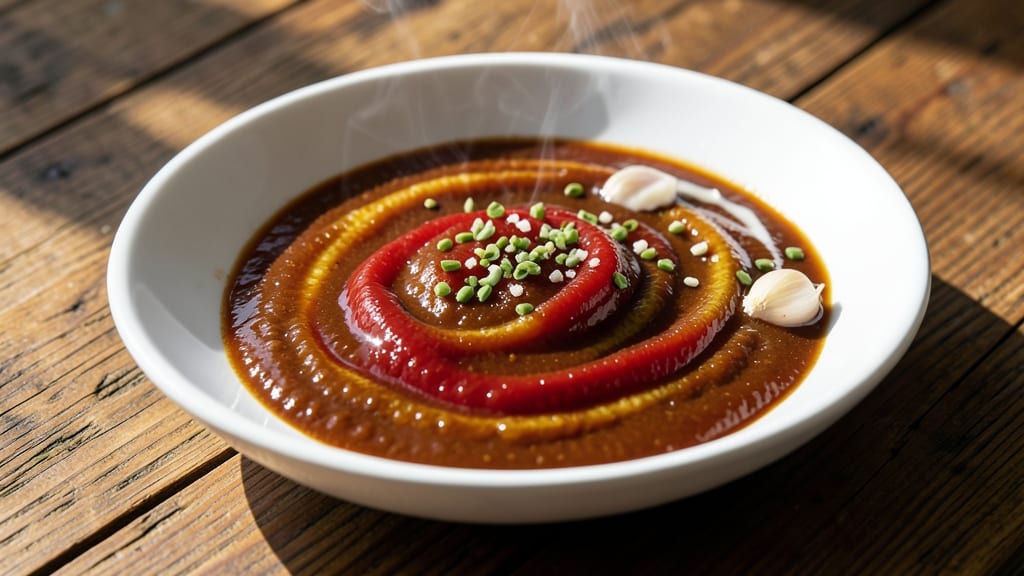
This American chop suey sauce recipe delivers the perfect balance of savory, sweet, and tangy flavors that make every stir-fry unforgettable. The secret lies in celery-infused umami from soy sauce and a touch of vinegar that adds a subtle zing without overpowering.
Unlike store-bought versions, this sauce builds depth through slow simmering and carefully measured ingredients.
The foundation starts with a simple combination of soy sauce, ketchup, and vinegar—classic American chop suey components—but the magic happens when you add a pinch of sugar to balance acidity and a splash of celery seed for that signature earthy aroma.
This sauce transforms basic stir-fries into restaurant-quality dishes, clinging perfectly to noodles, chicken, or vegetables.
What makes this recipe truly special is its versatility. Use it as a dipping sauce for spring rolls, a stir-fry glaze, or even a marinade for meats. The sauce thickens slightly as it cooks, creating a glossy finish that enhances every bite.
With just 10 minutes of prep and 15 minutes of simmering, you'll have enough to coat a full meal—or save half for next time.
The best part? This sauce keeps well in the fridge for up to a week, allowing you to make a big batch and use it all week. Whether you're serving up a classic Chinese-American dinner or experimenting with fusion flavors, this recipe delivers consistent, professional results every time.
Ingredients for american chop suey sauce
Nine simple ingredients transform into a restaurant-quality sauce for stir-fries and dipping.
| Ingredient | Amount | Notes |
|---|---|---|
| Soy Sauce 🍶 | ½ cup | High-sodium preferred for depth |
| Ketchup 🍅 | ¼ cup | Heinz preferred for consistency |
| White Vinegar 💧 | ¼ cup | Distilled for clean tang |
| Granulated Sugar 🍚 | 2 tbsp | Balances acidity perfectly |
| Celery Seed 🌿 | 1 tsp | Ground for maximum aroma |
| Garlic Cloves 🧄 | 2 cloves | Minced for subtle flavor |
| Onion Powder 🧅 | ½ tsp | For added depth |
| Cornstarch 🌾 | 1 tbsp | For thickening sauce |
| Water 💧 | ¼ cup | For thinning consistency |
| Salt 🧂 | ½ tsp | Adjust to taste |
The soy sauce is your flavor foundation—Kikkoman or La Choy are reliable choices, but any high-quality brand works. Celery seed is the secret ingredient here; Penzeys sells it in bulk if you want to stock up. For the ketchup, Heinz is consistent, but any smooth ketchup will do. The garlic and onion powder add layers of complexity that set this sauce apart from basic stir-fry sauces. If you're using pre-minced garlic, drain and rinse it first to avoid excess moisture in your sauce.
No celery seed? Celery salt at half the amount works in a pinch, though the flavor won't be identical. Substitute white vinegar with rice vinegar for a slightly sweeter tang, but reduce to 0.2 tbsp to avoid overpowering. For a smoother texture, blend the minced garlic with the water before adding—Immersion blender makes this easy. If you prefer less sugar, reduce to 1 tbsp and add a splash more vinegar to balance. The cornstarch is non-negotiable for that perfect glossy finish; Arrowhead Mills brand is a reliable choice.
This sauce keeps beautifully in the fridge for up to 1 week in an airtight container. For longer storage, freeze portions in ice cube trays—just thaw and stir before using. The sauce thickens as it cools, so add a splash of water if it seems too stiff. Double the batch and freeze half for next time; it reheats perfectly and tastes even better the second day. The celery seed aroma intensifies slightly when reheated, so don't be shy about using it fresh each time.
Why You'll Love This Recipe
- Pantry Magic: I swear by this recipe because it uses stuff I already have—no special shopping trips. That celery seed might sound odd, but it adds this subtle, earthy kick that balances the sweetness of the sugar and tang of vinegar perfectly.
- Sweet-Tangy Fix: Honestly, the sugar and vinegar combo is what makes this sauce stand out. It’s not just salty like regular soy sauce—it’s got that perfect bite that cuts through greasy fried rice or noodles like a charm.
- Weeknight Hero: Between us, this is my go-to when I’m scrambling to feed the family after work. Dump it on whatever you’re cooking, and boom—dinner’s saved. Even my picky eaters ask for seconds, and that’s saying something.
- Budget Stretch: A few tablespoons of this sauce can stretch a small batch of meat or veggies into a full meal. I make a big batch, store it in the fridge, and use it for days—no waste, no stress, just flavor on demand.
Step-by-step instructions for American chop suey sauce
This sauce builds layer by layer—start with the base, then balance flavors precisely.
Bloom the Aromatics in Soy Sauce
In a medium saucepan, combine the 0.5 cup Soy Sauce and 2 cloves Garlic Cloves (minced). Heat over medium-low heat for 3-4 minutes until you see light steam rising and the garlic releases its aroma. This step develops the sauce's foundational umami flavor.
I like to stir occasionally to prevent sticking, but don't let it simmer vigorously—you want the garlic to infuse without browning. The soy sauce should be warm but not boiling. This gentle heating helps extract maximum flavor from both ingredients before adding anything else.
Add Ketchup, Vinegar, and Sweetener
Reduce heat to low and stir in the 0.25 cup Ketchup, 0.25 cup White Vinegar, and 2 tbsp Granulated Sugar. Bring the mixture to a gentle simmer, then reduce heat to maintain a barely perceptible bubble at the surface. Let it cook uncovered for 5-6 minutes while stirring occasionally.
The vinegar will initially make the sauce smell sharp, but it mellows as it cooks. The sugar helps balance the acidity while adding subtle caramel notes. You'll know it's ready when the mixture smells rich and slightly sweet—this is when the flavors start melding together properly.
Incorporate Spices and Onion Powder
Add the 1 tsp Celery Seed and 0.5 tsp Onion Powder to the simmering mixture. Stir well to distribute the spices evenly, then taste and adjust the 0.5 tsp Salt if needed. The celery seed should add a bright, slightly bitter note that cuts through the richness of the soy and ketchup.
This is where the sauce starts taking on its characteristic American chop suey profile. The spices should be fully dissolved and integrated. If you're using ground celery seed, you won't see distinct particles—just a subtle earthy aroma that lifts the whole sauce.
Thicken with Cornstarch Slurry
In a small bowl, whisk together the 1 tbsp Cornstarch and 0.25 cup Water until completely smooth. Slowly pour this mixture into the saucepan while stirring constantly. The sauce will immediately begin to thicken—keep stirring for 2-3 minutes until it reaches a glossy, slightly syrupy consistency.
You're aiming for a sauce that coats the back of a spoon but still flows easily. If it thickens too quickly, add 1 tablespoon Water at a time until you reach the right texture. The cornstarch slurry is what transforms this from a thin sauce to the perfect coating for noodles or vegetables.
Simmer and Finish
Continue cooking the sauce at a gentle simmer for 5 minutes to let the flavors fully meld. The sauce should now have a rich, glossy appearance with a perfect balance of sweet, tangy, and umami notes. Taste and make any final adjustments—you might want to add a pinch more salt or a splash of vinegar if needed.
Remove from heat and let it cool slightly before using. This sauce works best when served warm but can be reheated gently if needed. The celery seed and onion powder will continue to mellow as it cools, so don't be surprised if the flavor deepens slightly over time.
Pro Tips For Making American Chop Suey Sauce
- Simmer Slow and Low: I learned this the hard way—boiling chop suey sauce turns it into a sticky, vinegary mess. Keep the heat at a bare simmer (just small bubbles) for 10-15 minutes, stirring occasionally. The sugar needs time to dissolve properly, and rushing it makes the sauce taste harsh instead of balanced.
- Toast the Celery Seed: Skip the raw celery seed, and you’ll just get a bitter aftertaste. Dry-toast it in a small pan over medium heat for 30 seconds until fragrant—it deepens the flavor without overpowering. Then grind it fresh (or use a mortar and pestle) right before adding it to the sauce.
- Balance the Vinegar: White vinegar’s job is to brighten, not dominate. Start with 1 tablespoon, taste, then add more in ½-teaspoon increments. If the sauce tastes too sharp, a pinch of sugar or a splash of ketchup can round it out—just don’t overdo it, or you’ll lose the tang.
- Use Thick Ketchup: The cheap, watery ketchup from the back of the pantry makes this sauce thin and weak. Grab a bottle labeled "thick" or "tomato paste-style" ketchup—it adds body and keeps the sauce from turning into a glaze. No thick ketchup? Mix 1 teaspoon cornstarch with 1 tablespoon cold water and stir it in at the end.
Regional styles of this american chop suey sauce
Classic Chinese-American Style
The sauce we're making today is the one you'd find in classic Chinese-American restaurants—think 1920s-1950s diners where chop suey was a staple. This version relies on Heinz ketchup and white vinegar for that signature tangy-sweet balance, with celery seed replacing fresh celery for convenience.
The key difference from traditional Chinese sauces is the ketchup, which gives it that distinctly American profile. I remember my grandmother making this exact sauce for family gatherings—it was always the star of our takeout-style stir-fry nights. 🌶️
Midwest Diner Adaptation
In Midwestern diners, this sauce often gets a heartier touch—some chefs add a splash of tomato paste or a pinch of smoked paprika for depth. The celery seed becomes more prominent here, almost like a subtle herbal note that pairs perfectly with meatloaf-style stir-fries or egg rolls.
I've seen versions with a touch of Worcestershire sauce too, which adds another umami layer. This regional take works especially well with potato-based dishes like hash brown stir-fries.
West Coast Fusion Twist
Out on the West Coast, particularly in California, this sauce gets modernized with ingredients like miso paste or hoisin sauce blended in. Some chefs even add a hint of chili crisp for heat. The celery seed remains but is often balanced with fresh herbs like cilantro or basil.
This version shines in vegetarian stir-fries or as a dipping sauce for spring rolls. I love how the bright citrus notes from California oranges sometimes get incorporated too.
Southern Comfort Version
In the South, this sauce takes on a slightly smokier profile, sometimes with a dash of hot sauce or black pepper. The celery seed is often reduced slightly, and onion powder gets emphasized more.
This version pairs perfectly with fried chicken stir-fries or shrimp and grits-inspired dishes. I recall my first taste of this at a New Orleans-style Chinese restaurant—the heat from the cayenne balanced the sauce beautifully.
Modern Health-Conscious Update
Today's health-focused cooks are reimagining this sauce with low-sodium soy sauce, coconut aminos, or balsamic vinegar instead of white vinegar. The celery seed stays but is sometimes paired with ginger or turmeric for extra flavor without added calories.
This lighter version works great with zucchini noodles or grilled tofu. I've even seen versions with date syrup replacing sugar for a natural sweetness boost.
Nutrition facts
Frequently asked questions
Why does this sauce use celery seed instead of fresh celery?
Celery seed delivers a more concentrated, earthy flavor that's easier to control than fresh celery. The seed contains natural compounds that develop the signature herbal note of American chop suey sauce, while avoiding the fibrous texture of fresh celery. Plus, it's shelf-stable and gives consistent results every time.
Can I make this sauce without cornstarch?
Yes, but the texture will be thinner. Substitute with 1 tbsp arrowroot powder or 1 tsp xanthan gum for better thickening. For a naturally thickened version, simmer the sauce uncovered for 10-15 extra minutes to reduce it—just stir frequently to prevent scorching.
How do I adjust this sauce for spicier dishes?
Add ½ tsp cayenne pepper or 1 tsp hot sauce at the end of cooking. For deeper heat, include ½ tsp smoked paprika> with the onion powder. Always taste first—you can't remove excess spice, but you can balance it with a splash more vinegar or sugar.
Will this sauce work for dipping spring rolls?
This sauce is perfect for dipping. For extra richness, thin it slightly with 1 tbsp water> before dipping. The glossy texture clings beautifully to crispy spring rolls. Serve warm for the best flavor experience—cold sauce loses some of its aromatic qualities.
Can I substitute ketchup with something else?
For a tangier profile, use ½ cup tomato paste> mixed with 1 tbsp vinegar. For a sweeter version, replace ketchup with ¼ cup apricot jam> reduced with 2 tbsp water>. Both alternatives maintain the sauce's balance but change the color slightly.