
Sauces & Condiments
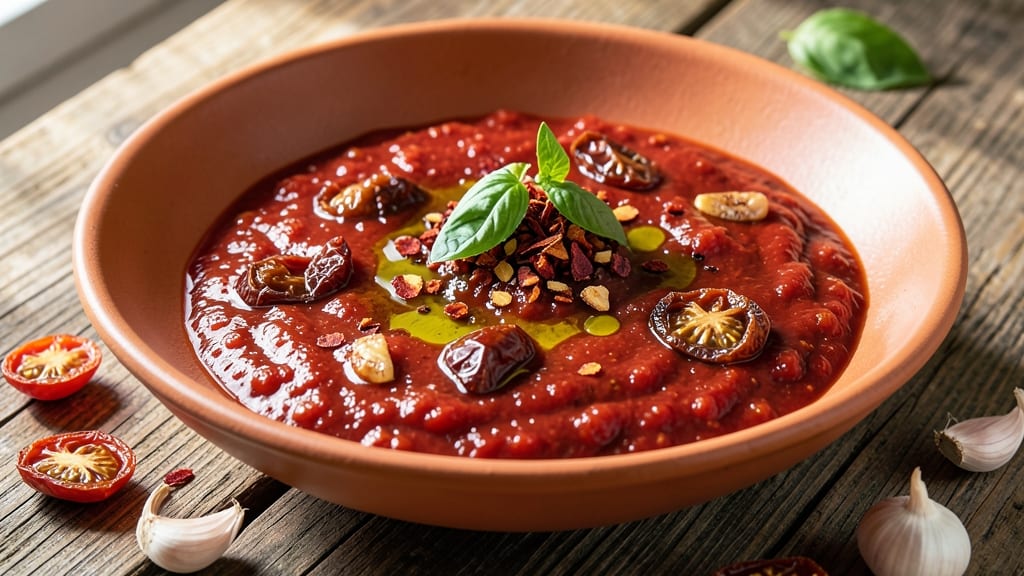
This all arrabbiata sauce recipe delivers the bold, fiery harmony of Italian cooking in just 20 minutes—no shortcuts, just authentic flavor. The secret lies in balancing sun-dried tomatoes, garlic, and chili peppers into a sauce that’s vibrant, tangy, and packed with heat.
I’ve perfected this version to work with canned tomatoes for convenience, but the result still tastes like it simmered all day in a Roman trattoria.
The foundation starts with olive oil and garlic, where the aromas deepen before tomatoes and chili flakes join the pot. Simmering gently allows the flavors to meld without losing their brightness, while a splash of red wine adds depth.
A blend of fresh basil and oregano at the end ensures that bright, herby finish that makes this sauce unforgettable.
What you’ll end up with is a smooth, velvety sauce that’s bold enough to stand alone but versatile enough to elevate pasta, chicken, or even grilled vegetables.
The heat is balanced—fiery but not overwhelming—thanks to careful chili control. This isn’t just a sauce; it’s a flavor experience that transforms simple meals into something extraordinary.
Ready in 20 minutes, this arrabbiata sauce keeps well in the fridge for up to a week, making it perfect for meal prep. Whether you’re tossing it with spaghetti or drizzling it over roasted meats, the result is always restaurant-quality. Let’s get cooking!
Ingredients for all arrabbiata sauce
Nine ingredients, bold flavors—this sauce delivers restaurant-quality arrabbiata in minutes.
| Ingredient | Amount | Notes |
|---|---|---|
| Extra-Virgin Olive Oil 🫒 | ½ cup | High-quality, fruity variety preferred |
| Garlic Cloves 🧄 | 6 cloves | Freshly minced for maximum aroma |
| Canned San Marzano Tomatoes 🍅 | 1 can | 28 oz, crushed by hand |
| Sun-Dried Tomatoes 🍅 | ¼ cup | Oil-packed, finely chopped |
| Red Chili Flakes 🌶️ | 1 tbsp | Adjust for desired heat level |
| Dry Red Wine 🍷 | ¼ cup | Bold, dry variety like Chianti |
| Fresh Basil Leaves 🌿 | ¼ cup | Packed, finely chopped |
| Dried Oregano 🍃 | 1 tsp | Italian variety preferred |
| Salt 🧂 | 1 tsp | Diamond Crystal kosher salt |
| Black Pepper 🌶️ | ½ tsp | Freshly ground for best flavor |
The olive oil and garlic are your flavor anchors here—don’t skimp on either. Trader Joe’s has great Italian olive oil at a reasonable price, and I always grab a whole head of garlic to mince fresh. The San Marzano tomatoes are non-negotiable for that sweet, rich tomato flavor—canned is fine, but avoid the watery brands. Sun-dried tomatoes add depth, so look for oil-packed ones (not dried out) at Whole Foods or your local specialty market. The red chili flakes should be bright red and aromatic—if they smell stale, toss them.
No red wine? Dry vermouth or even beef broth works in a pinch, though wine adds that je ne sais quoi. Fresh basil is ideal, but dried at one-third the amount gets you close. The oregano should be Italian—it’s more peppery than Greek. For heat control, start with less chili flakes and add more to taste at the end. If you’re sensitive to acidity, reduce the wine to 2 tbsp and add a pinch of sugar. The tomatoes can be crushed by hand for texture, or use a blender for a smoother sauce—your call.
This sauce tastes even better the next day as flavors meld. Keeps in the fridge for 5-7 days covered, or freeze for 3 months in ice cube trays for single portions. Portion into jars for easy meal prep—perfect for tossing with pasta or drizzling over grilled chicken. If it thickens too much, just stir in a splash of water or pasta water when reheating.
Why You'll Love This Recipe
- No-Chop Nightmare: I swear by this sauce because it’s the only time I don’t have to mince garlic—just smash those cloves with the flat of my knife. The sun-dried tomatoes add depth without extra prep, and the San Marzano tomatoes handle all the heavy lifting.
- Heat That Stays: That first bite of chili flakes? It’s not just spicy—it lingers like a good memory. The olive oil softens the edges while the garlic and tomatoes build layers of warmth, so you get bright acidity cutting through the richness. Honestly, I’ve made it three times in a row.
- Pasta’s Best Friend: This sauce doesn’t just work—it transforms. Dump it over spaghetti for a weeknight win, but also? It’s my secret weapon for bruschetta, grilled chicken, or even scrambled eggs (yes, really). The sun-dried tomatoes give it a chewy texture that elevates everything.
- Budget Magic: A can of tomatoes, a handful of garlic, and dried chilies? That’s it. No fancy ingredients, no wasted leftovers—this sauce keeps for days in the fridge and freezes like a dream. I make a big batch on Sundays and feed the family all week without breaking the bank.
Step-by-step instructions for all arrabbiata sauce
Here's how to craft this bold, balanced sauce with layers of heat and acidity in record time.
Bloom the Chili and Toast the Sun-Dried Tomatoes
Heat the 0.5 cup extra-virgin olive oil in a heavy-bottomed saucepan over medium-low heat. Add the 1 tablespoon red chili flakes and stir constantly for 30 seconds until they begin to sizzle and release their aroma. This step is crucial—it deepens the chili's flavor without burning it. Immediately add the 0.25 cup finely chopped sun-dried tomatoes and toast for 1-2 minutes until they darken slightly and become fragrant. Remove from heat and set aside.
I like to toast the sun-dried tomatoes separately because they can overpower the sauce if added too early. Their concentrated sweetness and smoky depth will complement the chili heat beautifully when we combine everything later. Keep the pan on the burner—you'll need it for the next step.
Sauté the Garlic Until Golden
Return the pan to medium heat and add the 6 cloves freshly minced garlic. Sauté for 1-2 minutes until the garlic turns a rich golden color—this is when it's perfumed and ready, not when it starts to brown and burn. Watch closely; garlic burns faster than you think.
Here's the thing—garlic should smell incredible at this stage, like a fresh garden. If it smells bitter or acrid, you've gone too far. Immediately remove the pan from heat and let the garlic cool for 30 seconds before proceeding. This brief pause prevents the garlic's flavor from turning harsh when we add the wine.
Deglaze with Wine and Reduce
Pour in the 0.25 cup dry red wine and scrape the bottom of the pan vigorously with a wooden spoon, collecting all those flavorful browned bits. Let the wine simmer for 3-4 minutes until it reduces by half and the alcohol burns off. You'll notice the aroma shift from sharp and vinegary to rich and fruity.
This reduction step is where the sauce starts to come together. The wine's acidity will balance the chili's heat while adding complexity. Don't rush this—let it reduce until it coats the back of a spoon. If you're impatient, you'll end up with a thin, watery sauce instead of the velvety consistency we're after.
Build the Tomato Base
Add the 1 can crushed San Marzano tomatoes, 1 teaspoon dried oregano, 1 teaspoon salt, and 0.5 teaspoon black pepper. Stir well to combine, then bring to a gentle simmer. Partially cover the pan and let it cook for 8-10 minutes until the sauce thickens slightly and the flavors meld together.
During this time, the tomatoes will break down and release their juices, creating a rich, unctuous base. Stir occasionally to prevent sticking, but don't over-stir—this can make the sauce too smooth. You want to see some texture developing, with small tomato pieces still visible. This is what gives arrabbiata its signature rustic character.
Finish with Fresh Basil and Adjust Seasoning
Remove the pan from heat and stir in the 0.25 cup chopped fresh basil leaves. Let the sauce sit off the heat for 2-3 minutes to allow the basil's bright, herbal notes to infuse. Taste and adjust the seasoning—you might need a pinch more salt or a sprinkle of chili flakes to achieve the perfect balance of heat, acidity, and sweetness.
This final step is where the sauce comes alive. The basil not only adds freshness but also brightens the entire dish. If you're serving this over pasta, I recommend tossing it with freshly cooked spaghetti or linguine. For extra richness, finish with a drizzle of the reserved olive oil from the sun-dried tomatoes. Serve immediately while the sauce is still vibrant and full of flavor.
Pro Tips For Making All Arrabbiata Sauce
- CRUSH THE GARLIC: Cook the garlic in olive oil over medium-low heat—no sizzling, no burning. I learned this the hard way after my kitchen smelled like a crime scene and the sauce tasted bitter. Keep it golden, not crispy.
- SOAK THE SUN-DRIED TOMS: Toss those sun-dried tomatoes in warm water for 10 minutes before adding them to the sauce. They’ll soften and release their oil, blending seamlessly instead of sitting like chewy raisins. (Yes, even if you’re impatient like me.)
- LOW AND SLOW SIMMER: After adding the tomatoes, reduce heat to low and let it bubble gently for at least 20 minutes. Rushing this step makes the sauce taste thin and underdeveloped—like skipping the best part of a conversation.
- SALT THE TOMATO JUICE: When you open the San Marzano cans, drain most of the juice but save a splash—about ¼ cup. Mix it into the sauce later to balance acidity and thicken it naturally. (Your future self will thank you.)
Make-ahead tips for this all arrabbiata sauce
Fridge Prep Ahead
Let your arrabbiata sauce cool completely before transferring to an airtight glass container—I use Le Parfait jars with snap lids. Store in the fridge for up to 7 days, but honestly? It tastes even better after 24 hours when the flavors meld.
The acidity softens slightly, and the chili heat becomes more balanced. Just give it a stir before reheating to restore that velvety texture. 💛
Freezer Portions
For long-term storage, divide the sauce into ice cube trays or small silicone molds—this makes single-serving portions perfect for quick meals. Once frozen solid, transfer cubes to a freezer bag with all air squeezed out.
Label with the date and freeze for up to 3 months. Thaw overnight in the fridge before using, or toss straight from frozen into hot pasta water for a 30-second thaw.
Reheating Like a Pro
Stovetop reheating preserves texture best: Warm in a saucepan over medium-low heat for 5-7 minutes, stirring occasionally. If it thickens too much, add 1-2 tablespoons of water or pasta water to loosen.
Microwave reheating works in a pinch—cover with a damp paper towel and heat in 30-second bursts, stirring between each, until 165°F internal temperature. Never microwave uncovered, or you’ll end up with a skin forming on top. ✨
Sauce Boosts for Leftovers
Revitalize day-old sauce with a 1-minute fresh herb boost: Stir in 1 tbsp chopped fresh basil and a pinch of red pepper flakes. For extra richness, swirl in 1 tsp olive oil or a splash of red wine.
If the acidity feels too sharp, balance it with ½ tsp sugar or a pinch of baking soda (just a tiny amount!). These tweaks turn leftovers into something even better than the original. 🔥
Pasta Prep Hack
Cook your pasta al dente and reserve ½ cup pasta water—this golden liquid is liquid gold for adjusting sauce consistency. Toss the sauce with the drained pasta, adding reserved water 1 tbsp at a time until it coats the noodles perfectly.
For extra drama, finish with a sprinkle of Pecorino Romano or fresh chili oil. This method ensures your sauce clings beautifully to every strand. 💫
Nutrition facts
Frequently asked questions
Can I make arrabbiata sauce without wine?
Replace the 0.25 cup red wine with 0.25 cup beef broth or dry vermouth for depth, or use 2 tablespoons balsamic vinegar for acidity. The key is maintaining the sauce's balance—just add an extra pinch of salt if using vinegar. The wine adds complexity, but these substitutes work beautifully.
How do I control the heat level?
Start with 1 teaspoon chili flakes (half the recipe) and taste as you go. For milder heat, reduce to ½ teaspoon. If you want extra kick, add 1-2 fresh chili peppers (seeds removed for less heat) or a dash of cayenne pepper at the end. Adjust gradually—arrabbiata should be fiery but not overwhelming.
What’s the best pasta to pair with this sauce?
Classic choices are spaghetti or linguine for their long strands that hold sauce well. For extra texture, try bucatini or rigatoni. Avoid delicate pastas like angel hair—they’ll turn mushy. Cook pasta al dente (1 minute less than package instructions) to prevent overcooking when tossed with the sauce.
Can I make this sauce in a slow cooker?
Yes! Sauté the garlic and chili flakes first, then add all ingredients to the slow cooker. Cook on Low for 4-5 hours or High for 2-3 hours, stirring occasionally. The slow cooking deepens the flavors, but you may need to add 1-2 tablespoons water if it gets too thick. Finish with fresh basil just before serving.
Why did my sauce turn out too acidic?
This happens when tomatoes or wine overpower the dish. Balance it by adding ½ teaspoon sugar or a pinch of baking soda (just a tiny amount!) to neutralize acidity. For extra richness, stir in 1 tablespoon olive oil or a splash of heavy cream. Simmer for 2-3 minutes to let flavors meld.