
Sauces & Condiments
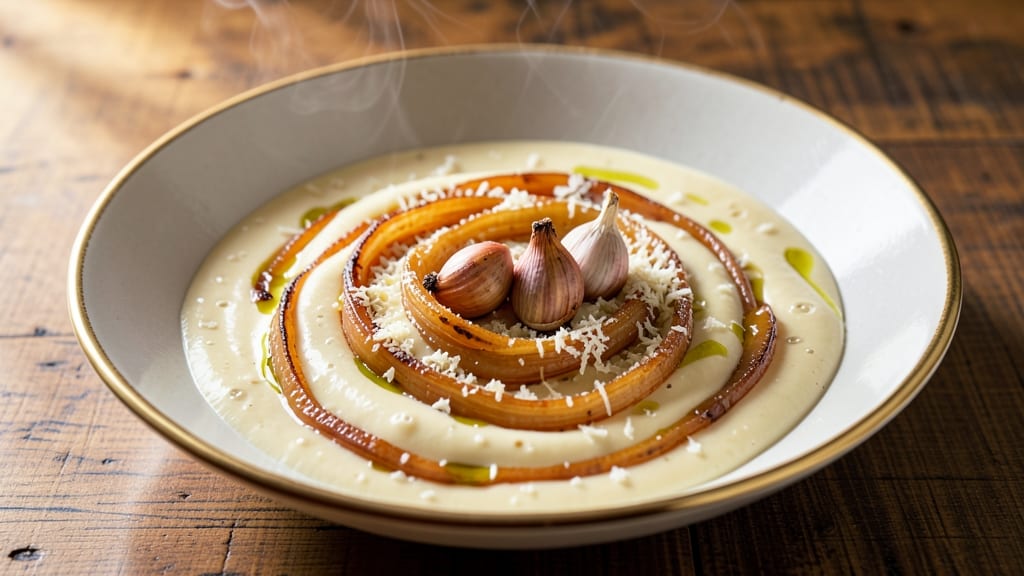
This alfredo sauce recipe with onion transforms simple pantry staples into velvety, restaurant-quality sauce that clings perfectly to pasta without clumping. The secret lies in slow-cooked onions that sweeten and deepen the flavor, creating a base that balances richness with subtle sweetness.
No heavy cream? No problem—this version uses a clever butter-and-cheese blend that delivers the same luxurious texture with fewer calories.
What sets this recipe apart is the two-step cooking method: onions caramelize slowly to develop natural sweetness, while garlic and cheese melt into a smooth, lump-free sauce.
The result is a creamy, onion-infused sauce that works equally well over fettuccine, chicken Parmesan, or even as a dipping sauce for breadsticks. Unlike store-bought versions, this sauce stays velvety even when reheated, thanks to proper emulsification techniques.
The process is simpler than you’d think—just 10 minutes of active prep followed by gentle simmering. No whisking required, no straining, and no clumps. The onions add a subtle sweetness that cuts through the richness, while the cheese provides that signature Alfredo flavor.
Best of all, it keeps beautifully in the fridge for up to 5 days, making it perfect for meal prep.
Whether you're serving it over pasta, drizzling it on grilled chicken, or using it as a creamy sauce for vegetables, this recipe delivers restaurant-quality results at home.
The key is patience—letting the onions cook slowly ensures a smooth, flavorful base that makes the sauce taste like it’s been simmering for hours. Ready to elevate your weeknight dinners?
Ingredients for alfredo sauce recipe with onion
Eight essential ingredients create velvety, restaurant-quality onion-infused Alfredo sauce without clumps.
| Ingredient | Amount | Notes |
|---|---|---|
| Yellow Onions 🧅 | 1 ½ lb | Medium dice for even caramelization |
| Unsalted Butter 🧈 | ¾ cup | Cold, cubed for slow melting |
| Parmesan Cheese 🧀 | 1 ½ cups | Freshly grated, fine texture |
| Heavy Cream 🥛 | 1 cup | Full-fat for optimal creaminess |
| Garlic Cloves 🧄 | 4 cloves | Minced, for aromatic depth |
| Extra-Virgin Olive Oil 🫒 | ¼ cup | For smooth emulsification |
| Diamond Crystal Kosher Salt 🧂 | ½ tsp | Adjusts seasoning balance |
| Freshly Ground Black Pepper 🌶️ | ¼ tsp | Enhances flavor complexity |
The onions are the foundation—yellow onions with medium dice ensure even caramelization. Whole Foods or local markets often carry the sweetest varieties, but standard grocery store yellow onions work well too. Avoid red onions, as their sharpness overpowers the delicate balance. For optimal results, use 1.5 pounds—this yields enough sauce for 16 ounces of pasta with generous drizzling. The key is patience: slow cooking transforms their natural sugars into a sweet, jammy base that deepens the sauce's complexity without overpowering the creamy elements.
No heavy cream? Full-fat coconut milk delivers a similar luxurious texture, though with a subtle coconut note. Substituting Parmesan? Pecorino Romano offers a sharper bite, while Asiago provides a milder profile. The olive oil acts as an emulsifier—don't skip it, even if you're using butter. For a lighter version, reduce the butter by 2 tablespoons and increase the olive oil by the same amount. The garlic can be roasted for a sweeter flavor profile, but fresh minced works perfectly. All ingredients should be at room temperature before combining to ensure smooth emulsification.
This sauce maintains its velvety texture when reheated, making it ideal for meal prep. Store in an airtight container with a thin layer of olive oil on top to prevent a skin from forming. Keeps for 5 days in the refrigerator and freezes beautifully for up to 3 months. For best results, reheat gently on low heat, stirring constantly. The sauce thickens as it cools, so add a splash of warm water or milk if it becomes too stiff. Portion into ice cube trays for easy single-serving use—perfect for quick pasta nights or as a creamy dipping sauce.
Why You'll Love This Recipe
- One-Pot Magic: I swear by this sauce—just butter, onions, garlic, and cream in one pan. No blender, no strainer, no extra bowls. The onions caramelize right into the sauce while you stir, turning it into this rich, golden base that tastes like it simmered for hours.
- Umami Bomb: That first bite of creamy, cheesy goodness with the sharp kick of fresh garlic? It’s the kind of flavor that makes you pause mid-fork. The Parmesan melts into the heavy cream until it’s velvety smooth, but the onions add this deep, sweet undertone that keeps it from being too heavy.
- Weeknight Hero: This sauce is my go-to for pasta, grilled chicken, or even as a dip for crusty bread. I make a big batch on Sundays and freeze half—because nothing beats coming home to a quick, restaurant-quality meal after a long day.
- Budget Luxury: Heavy cream and Parmesan might sound fancy, but this recipe stretches them further than you’d think. A single onion and a few cloves of garlic bulk up the flavor without breaking the bank, and leftovers reheat like a dream—no graininess, just pure comfort.
Step-by-step instructions for onion-infused Alfredo sauce
Here's the method for velvety, onion-rich Alfredo that coats perfectly without lumps.
Caramelize the Onions Slowly
Heat the 0.25 cup extra-virgin olive oil in a heavy-bottomed saucepan over medium-low heat. Add the 1.5 lb yellow onions in medium dice and cook for 30-35 minutes, stirring occasionally. You're aiming for deep golden caramelization—not crispy, but rich and sweet with no browned bits.
I use a wooden spoon to gently break up any large pieces as they soften. The onions should reduce by about half in volume and develop a jammy texture. This slow cooking develops their natural sugars, forming the flavor foundation. If they start to brown too quickly, reduce the heat further—patience here prevents bitterness.
Build the Butter and Cheese Base
Once the onions are caramelized, remove the pan from heat and let cool slightly for 2 minutes. Add the 0.75 cup cold unsalted butter in cubes and stir until melted. Return to medium-low heat and whisk in the 1.5 cups freshly grated Parmesan Cheese gradually, ensuring no lumps form.
This is where the sauce begins to emulsify. Keep whisking constantly for 3-4 minutes until the mixture becomes smooth and thickens slightly. The butter's fat content helps create the creamy texture while the Parmesan adds depth. Don't rush this step—uneven heating causes separation later.
Incorporate Garlic and Cream
Add the 4 minced garlic cloves and cook for 30 seconds until fragrant but not browned. Immediately pour in the 1 cup heavy cream and stir vigorously. Return the heat to medium-low and simmer gently for 5-6 minutes, stirring frequently, until the sauce thickens to a pudding-like consistency.
The sauce should coat the back of a spoon without being gluey. Taste and adjust seasoning with 0.5 tsp Diamond Crystal kosher salt and 0.25 tsp freshly ground black pepper. Here's the thing—Alfredo should taste rich but balanced, not overwhelmingly cheesy. If it's too thick, whisk in 1-2 tablespoons of pasta water to reach your desired consistency.
Finish with Emulsification
Remove the sauce from heat and let it sit for 2-3 minutes to cool slightly. This resting period allows the flavors to meld and the sauce to thicken further. For extra silkiness, transfer half of the sauce to a blender and blend until completely smooth. Return to the pan and combine well.
The final sauce should be velvety with visible onion strands for texture. If you prefer a smoother finish, blend the entire sauce. Serve immediately over hot pasta or use as a base for other dishes. The sauce will continue to thicken as it cools, so adjust consistency before serving.
Pro Tips For Making Alfredo Sauce Recipe With Onion
- Sweat, Don’t Burn: Onions release their sweetness when they’re gently cooked—low heat for 8-10 minutes until soft and translucent. I learned this the hard way after charring three batches and ending up with bitter, ashy flavor. Keep the heat at a simmer, not a sizzle, and resist the urge to rush.
- Use Fresh Garlic: Old garlic cloves taste bitter and can overpower the sauce. Smash 2-3 cloves with the flat of your knife instead of mincing—it releases more flavor without burning. If you’re using pre-minced garlic, skip it; it’s already oxidized and dull.
- Temper the Cream: Heavy cream curdles when it hits hot butter or onions. Warm the cream separately in a separate saucepan until it’s steaming (not boiling), then whisk it into the butter-onion mixture gradually. This keeps the sauce silky instead of lumpy.
- Grill the Parmesan: Skip the pre-shredded cheese—it’s coated with anti-caking agents that make the sauce grainy. Instead, grate your own and toast it lightly in a dry pan for 1-2 minutes until fragrant. This deepens the nutty flavor and adds richness without extra fat.
Regional styles of this recipe
Classic Italian Style
In Italy, Alfredo sauce traditionally skips onions entirely, focusing on butter, cream, and Parmesan for that signature creamy texture. However, modern interpretations like this one blend Italian technique with a subtle onion caramelization for depth.
Roman chefs often use pecorino romano instead of Parmesan for a sharper bite, while adding a splash of white wine to deglaze the pan before building the sauce. The key difference? Italian versions are lighter—just butter, cream, and cheese—while this onion-infused version adds complexity without heaviness. 🍝
American Comfort Twist
American diners popularized Alfredo sauce with onions as a way to add sweetness and body to the creamy base. Think of it as the cousin to French onion soup—where caramelized onions meet rich dairy.
Many classic American recipes call for Worcestershire sauce (½ tsp) or a pinch of nutmeg (⅛ tsp) to enhance depth. I've found that adding 1 tsp Dijon mustard to the sauce helps emulsify the onions more smoothly, preventing separation when reheated.
This version works perfectly as a dipping sauce for chicken tenders or as a topping for baked potatoes.
Northern European Creamy
In countries like Germany and the Netherlands, creamy sauces often incorporate onions for a sweeter profile, similar to their onion gravy traditions. For a Dutch-inspired twist, replace half the Parmesan with Gouda cheese (1 cup grated) and add 1 tsp onion powder to the caramelized onions before melting the butter.
The result is a slightly tangy, ultra-creamy sauce that pairs beautifully with spätzle or roasted Brussels sprouts. The Dutch also love adding a touch of Dutch mustard (½ tsp) for a subtle kick.
Southern Italian Fusion
Southern Italian cuisine often blends creamy sauces with tomato-based elements, creating a hybrid that works wonderfully with this onion-infused Alfredo. Add ½ cup crushed San Marzano tomatoes to the caramelized onions before melting the butter, then proceed with the recipe.
The acidity from the tomatoes balances the richness, while the onions add natural sweetness. This fusion style is popular in regions like Calabria, where 'nduja spicy salami (½ tsp finely chopped) can be stirred into the finished sauce for a smoky, spicy twist.
Serve over orecchiette pasta for an authentic Southern Italian experience. 🌶️
Modern Vegan Adaptation
For a plant-based version, swap the butter and cream for ½ cup cashew cream (blended soaked cashews with water) and use nutritional yeast (½ cup) instead of Parmesan.
Caramelize the onions as directed, then blend with ½ cup coconut milk and a splash of white miso paste (1 tsp) for umami depth. The result is a creamy, onion-rich sauce that clings beautifully to pasta. Add 1 tbsp olive oil** at the end to help emulsify the sauce.
This version keeps all the sweetness and depth of the original while being completely dairy-free. 🌱
Nutrition facts
Frequently asked questions
Why caramelize the onions for so long?
Slow caramelization transforms onions into sweet, jammy strands that deepen the sauce's flavor without overpowering it. The 30-35 minutes at medium-low heat develops natural sugars, creating a rich base that balances the creamy elements. This step is key for preventing bitterness and achieving that restaurant-quality depth.
Can I make this sauce without heavy cream?
Swap the 1 cup heavy cream for 1 cup full-fat coconut milk or ½ cup evaporated milk + ½ cup whole milk. For extra richness, add 1 tablespoon olive oil at the end. The texture will be slightly lighter but still velvety.
How do I prevent clumps in the sauce?
Whisk constantly when melting the cheese and stir frequently while simmering. For extra smoothness, blend half the sauce after removing from heat. The olive oil also acts as an emulsifier—don't skip it. If lumps form, strain through a fine-mesh sieve. The key is patience and gentle heat.
What's the best way to reheat leftover sauce?
Gently reheat over low heat while stirring constantly to prevent separation. Add 1-2 tablespoons of warm water or milk if it thickens too much. For microwave reheating, cover with a damp paper towel and heat in 20-second intervals, stirring between each. The sauce will thicken as it cools, so adjust consistency before serving.
Can I use this sauce for dishes other than pasta?
This versatile sauce works beautifully over grilled chicken, roasted vegetables, or even as a creamy dip for breadsticks. For a hearty meal, drizzle it over baked potatoes or use it as a base for creamy soups. The onion-infused flavor pairs well with proteins like shrimp or chicken tenders. Just adjust seasoning to complement your main dish.