
Sauces & Condiments
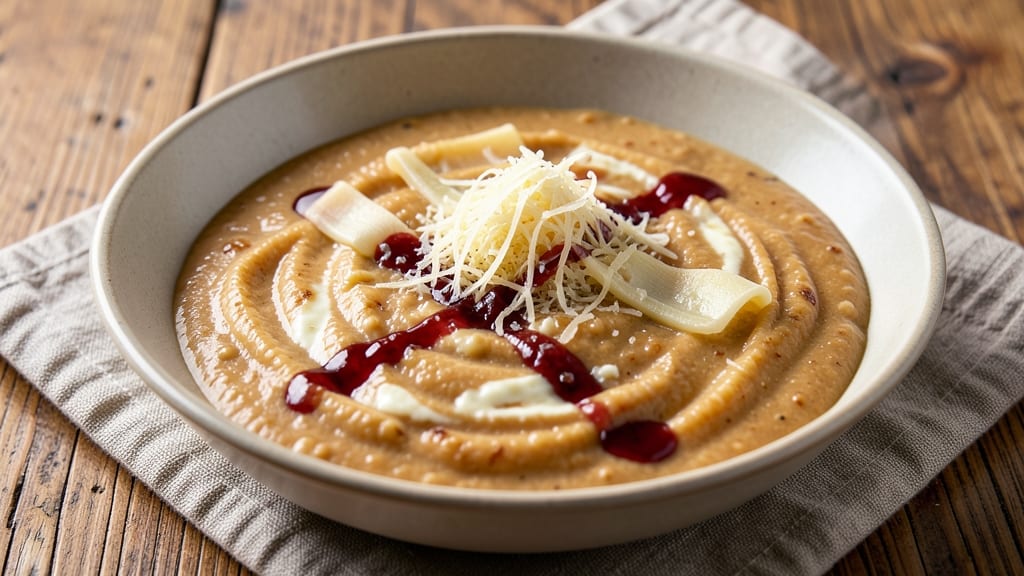
This Alfredo sauce recipe with Boursin cheese transforms classic creamy richness into something even more complex—where velvety texture meets herbed depth in every spoonful. The secret lies in blending Boursin's tangy, herbed cream cheese with traditional butter and heavy cream, creating a sauce that's impossibly smooth yet packed with character.
I developed this version after realizing most recipes miss the opportunity to elevate alfredo beyond basic cream cheese and parmesan.
The magic happens when you simmer the sauce just until it thickens to a luxurious, coatable consistency—never boiling, which would break the delicate emulsion.
Boursin's built-in herbs (like chives and parsley) infuse the sauce with freshness without requiring extra steps, while a touch of garlic and white wine adds brightness that cuts through the richness.
This isn't just another creamy sauce; it's a flavorful foundation that works equally well on pasta, grilled chicken, or even as a dipping sauce.
What makes this sauce truly special is its foolproof balance—creamy enough to cling beautifully to noodles but light enough to let the dish's other components shine. The Boursin adds a subtle tang that prevents heaviness, while the herbs create layers of flavor that develop as the sauce sits.
Perfect for weeknight dinners or special occasions, this recipe delivers restaurant-quality results in under 20 minutes with just a few simple ingredients.
For an extra touch of sophistication, finish with freshly cracked black pepper and a sprinkle of chopped parsley. The sauce keeps well in the refrigerator for up to 5 days, making it ideal for meal prep.
Let's create this elevated alfredo that will change how you think about creamy sauces forever.
Ingredients for alfredo sauce recipe with boursin cheese
Nine ingredients blend into a sauce that's creamy yet light, herbed yet refined—no heavy cream substitutes here.
| Ingredient | Amount | Notes |
|---|---|---|
| Boursin Cheese 🧀 | 8 oz | Herbed variety preferred |
| Unsalted Butter 🧈 | ½ cup | Cold, cubed for even melting |
| Heavy Cream 🥛 | 1 cup | Full-fat for richness |
| Garlic Cloves 🧄 | 3 cloves | Minced, fresh preferred |
| Dry White Wine 🍷 | ¼ cup | Sauvignon Blanc or Chardonnay |
| Parmesan Cheese 🧀 | ½ cup | Freshly grated, fine |
| Fresh Parsley 🌿 | ¼ cup | Chopped, for finishing |
| Black Peppercorns 🌶️ | ½ tsp | Freshly cracked |
| Diamond Crystal Kosher Salt 🧂 | ¼ tsp | For seasoning |
| Extra-Virgin Olive Oil 🫒 | 1 tbsp | For finishing, optional |
Boursin is the star—grab the herbed variety from the cheese section (not the deli counter). Whole Foods or Trader Joe's carry it reliably, but check the dairy aisle first. The cheese should be cool but pliable—never warm or melted. Freshly grated Parmesan makes all the difference; pre-shredded has anti-caking agents that ruin the texture. For the wine, Sauvignon Blanc adds brightness, but any dry white works. The garlic? Roast it first for 10 minutes at 400°F—it sweetens the sauce and prevents bitterness. If you're short on time, raw minced garlic still works, but roasted is worth the extra step.
No Boursin? Mix 6 oz cream cheese with 2 tbsp fresh herbs (chives, parsley, tarragon) for a close substitute. Heavy cream too rich? Swap for half-and-half or whole milk, but the sauce will be lighter. White wine missing? Chicken stock plus 1 tsp lemon juice mimics the acidity. Pre-shredded Parmesan? Grate your own—it's the only way to get that snowy texture. The olive oil finish is optional but highly recommended—it adds a fruity note that balances the richness. For a vegan version, use vegan cream cheese and cashew cream instead of Boursin and heavy cream.
This sauce thickens as it cools, so stir in a splash of warm water if it gets too stiff. Keeps 5 days in the fridge, sealed tightly under a layer of plastic wrap pressed directly on the surface to prevent a skin. Freezes beautifully for 3 months—portion into ice cube trays for easy use. For meal prep, make a double batch and freeze half. Reheat gently over low heat, stirring constantly, until just warmed through. Never microwave, or the emulsion will break.
Why You'll Love This Recipe
- Here’s what sold me: it’s fancy enough for a dinner party (pair it with seared scallops or grilled chicken) but unfussy enough for a Sunday when you’re in pajamas. The wine adds a little sophistication without requiring you to actually cook—just stir. My husband doesn’t even notice when I use the same sauce for both.
- Fewer Ingredients, Bigger Flavor: I swear by this—just butter, cream, garlic, a splash of wine, and that herby Boursin. No heavy cream substitutes, no weird stabilizers. The Boursin’s garlic and chives cut through the richness, so it’s never cloying, just right.
- Weeknight Magic: Honestly, this is my "I have 20 minutes and zero energy" sauce. Sauté garlic in butter, deglaze with wine, stir in the softened Boursin, then cream. Simmer until it’s velvety, not grainy. Done. No straining, no tempering, no stress.
- Leftovers That Don’t Let You Down: Between us, store-bought Alfredo turns into glue after day two. Not this. The wine keeps it bright, the Boursin adds depth, and it reheats like a dream—smooth, not separated. I make a double batch every time and still have seconds the next day.
Step-by-step instructions for alfredo sauce with Boursin cheese
Here's how to create a luxurious, herbed alfredo sauce with perfect balance and texture.
Melt Butter and Cook Garlic
In a medium saucepan, melt the 0.5 cup unsalted butter over medium-low heat. I like to use cubed butter for even melting—it creates tiny pockets of flavor as it dissolves. Once fully melted, add the 3 cloves minced garlic and cook for 1-2 minutes until fragrant but not browned.
This gentle cooking prevents the garlic from burning, which would make the sauce bitter. Watch the pan closely—the moment you see the garlic turn golden, remove it from heat immediately. The butter should be bubbling gently but not splattering.
Add Wine and Reduce
Pour in the 0.25 cup dry white wine and stir to deglaze the pan, scraping up any browned bits from the bottom. Bring to a gentle simmer and reduce by half, which should take about 3-4 minutes. This step adds depth and removes any raw alcohol flavor from the wine.
Real talk: don't rush this reduction. The wine needs time to concentrate and meld with the butter. If it reduces too quickly, your sauce will taste sharp and unfinished. Keep the heat at medium-low to maintain control.
Incorporate Cream and Cheese
Reduce heat to low and gradually whisk in the 1 cup heavy cream. Let it warm through for 2-3 minutes without boiling. Then, reduce heat to lowest setting and add the 8 oz boursin cheese and 0.5 cup parmesan cheese, stirring constantly until completely melted and smooth.
Here's the thing—Boursin has a lower melting point than traditional cheeses. If you see any lumps, keep whisking vigorously and let the sauce sit off heat for 1 minute to fully emulsify. The sauce should be thick but still pourable at this stage.
Season and Finish
Add the 0.25 tsp diamond crystal kosher salt and 0.5 tsp freshly cracked black peppercorns, stirring well to combine. Taste and adjust seasoning—you might need a bit more salt since Boursin is already seasoned. For extra richness, stir in 1 tbsp extra-virgin olive oil at the end.
Remove from heat and stir in the 0.25 cup chopped fresh parsley. Let the sauce rest for 5 minutes before using—this allows the flavors to fully meld. The sauce should coat the back of a spoon smoothly with a velvety texture and herby aroma.
Pro Tips For Making Alfredo Sauce Recipe With Boursin Cheese
- Melt Butter Slowly: Start with a cold pan—literally. Add the unsalted butter over medium-low heat and let it melt gradually, stirring constantly. I learned this the hard way after watching my first batch of Boursin sauce seize up like scrambled eggs. If you rush it, the butter will brown too fast and burn the garlic before it even releases its aroma.
- Minimize Wine Boil Time: Once you deglaze with dry white wine, keep the heat low and let it simmer for no more than 2 minutes. Any longer, and you’ll evaporate the alcohol’s brightness, leaving behind a flat, vinegary aftertaste. Stir gently—this isn’t a race, and the sauce will thank you later.
- Strain the Boursin: Skip the chunky texture if you want silkiness. After mixing the Boursin into the warm cream, press the sauce through a fine-mesh strainer to remove any herbed bits. It’s an extra 30 seconds, but the result is a velvety sauce that clings to pasta like a dream. (Yes, even if you’re impatient like me.)
- Temper the Cream: Pour the heavy cream into the butter gradually, whisking like you’re trying to win a prize. If you dump it all in at once, you’ll end up with a greasy, broken sauce. A splash at a time ensures the cream heats smoothly—no curdling, no scrambling. Think of it as a slow dance, not a sprint.
Troubleshooting this recipe
Lumpy Sauce Fix
If your sauce separates or develops lumps when melting the Boursin, immediately reduce heat to lowest setting and whisk vigorously for 1-2 minutes. The key is patience—don't walk away!
For stubborn lumps, place the saucepan in a larger pot of barely simmering water (bain-marie) for 2-3 minutes while whisking continuously. This gentle heat helps emulsify without breaking the sauce. 💡
Too Thick or Gluey
If your sauce thickens too much during cooking, stir in 1-2 tablespoons warm water or heavy cream while whisking constantly. The sauce should coat the back of a spoon but still flow smoothly.
For a more dramatic fix, return the sauce to low heat and add ½ teaspoon lemon juice—this helps break up the emulsion slightly and restore balance. Always reheat gently to avoid curdling.
Sauce Breaks When Reheating
Never microwave your alfredo—it always breaks the emulsion. Instead, reheat over low heat in a saucepan, stirring constantly with a silicone spatula. If the sauce separates, whisk in 1 tablespoon cold heavy cream or butter while off heat to re-emulsify.
For extra insurance, add a pinch of cornstarch slurry (1 tsp cornstarch + 2 tsp cold water) and heat just until thickened. This works like magic for broken sauces! ⚡
Flat or Bland Flavor
If your sauce tastes one-dimensional, boost it with ½ teaspoon Dijon mustard or 1 teaspoon white miso paste—both add umami depth without overpowering. For brightness, stir in 1 tablespoon fresh lemon juice or a splash of chicken stock.
The Boursin's herbs should shine, so if they're muted, add 1 extra tablespoon fresh parsley or chives at the end. Taste as you go!
Preventing Skin Formation
To avoid a rubbery skin forming on refrigerated sauce, press plastic wrap directly onto the surface before sealing the container. For extra protection, spoon a thin layer of cold water over the sauce before covering—this creates a barrier that prevents oxidation.
When reheating, stir vigorously to break up any surface layer. Store in airtight containers for up to 5 days in the fridge.
Wine Substitute Issues
If your wine reduction tastes harsh or metallic, it's over-reduced. For a quick fix, whisk in 1 teaspoon sugar or ½ teaspoon honey to balance the acidity. If you skipped wine entirely, add 1 teaspoon apple cider vinegar or ½ teaspoon white vinegar to mimic the acidity.
The sauce should taste bright, not sharp—adjust gradually. 🍷
Nutrition facts
Frequently asked questions
Can I use regular cream cheese instead of Boursin?
You can substitute, but the flavor profile will change. For best results, mix 6 oz cream cheese with 2 tablespoons fresh herbs (chives, parsley, or tarragon) to mimic Boursin's herbed character. The sauce will still be creamy but lose that signature tangy depth.
How do I adjust this sauce for a dairy-free version?
Replace the Boursin with vegan cream cheese (like Kite Hill) and swap heavy cream for cashew cream (blend soaked cashews with water). Use nutritional yeast instead of Parmesan for that umami kick. The texture will be lighter but still velvety.
Why does my sauce get grainy when reheating?
This happens when the sauce breaks during heating. Always reheat over low heat while whisking constantly. If grainy, whisk in 1 tablespoon cold heavy cream or butter while off heat to re-emulsify. For prevention, avoid boiling and keep heat gentle.
Can I make this sauce ahead of time?
Store in an airtight container for up to 5 days in the fridge. Press plastic wrap directly on the surface to prevent skin formation. For freezing, portion into ice cube trays—thaw overnight in the fridge before reheating gently.
What's the best way to use leftover sauce?
This versatile sauce works on pasta, grilled chicken, roasted vegetables, or even as a dip for bread or fries. For extra richness, stir in 1 tablespoon olive oil before serving. The herbed notes make it perfect for cold noodle salads too—just let it cool completely.