
Sauces & Condiments
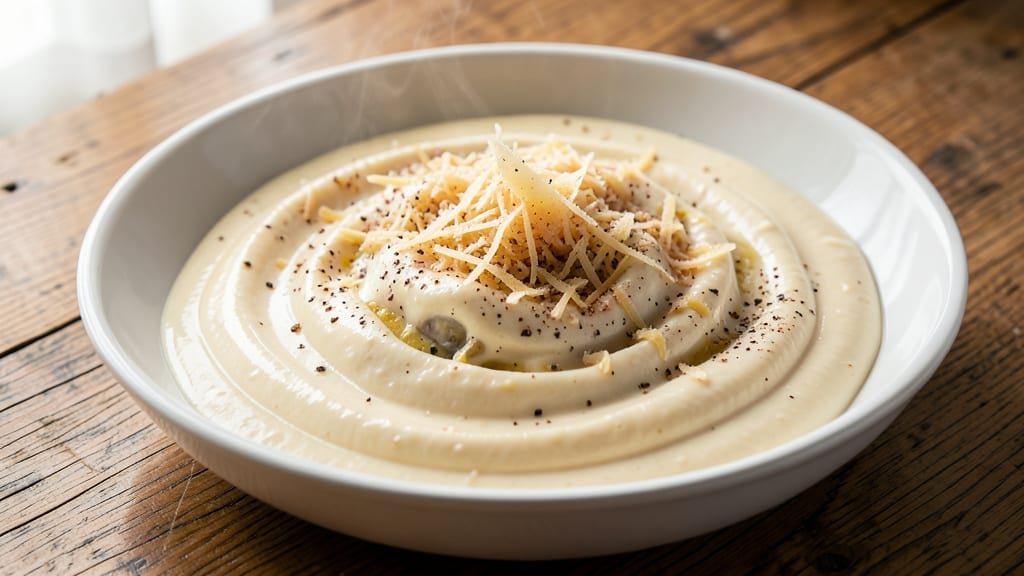
This alfredo sauce recipe video reveals the secret to velvety, lump-free perfection that rivals restaurant quality. 💫 The key lies in proper technique—slowly melting butter, whisking constantly, and incorporating cheese gradually to prevent clumps.
I’ve perfected this method after years of kitchen experiments, and it’s the one I use for every fettuccine night.
The foundation starts with equal parts butter and heavy cream, simmered just until hot but not boiling. Then comes the cheese—freshly grated Parmesan, added in stages while whisking vigorously to create a smooth, silky texture.
A pinch of nutmeg and garlic powder elevate the flavor without overpowering the rich, creamy base. This sauce is built to coat pasta beautifully, clinging to every strand without breaking.
What sets this recipe apart is its foolproof approach to achieving that signature restaurant-style consistency. No lumps, no graininess—just a glossy, velvety sauce that melts into fettuccine like a dream.
The technique is simple but requires attention to detail, especially when incorporating the cheese. Trust me, once you master this, you’ll never buy store-bought again.
Perfect for video demonstrations, this recipe includes clear timing cues and troubleshooting tips to ensure success every time. Whether you’re filming a tutorial or just making dinner, this sauce delivers professional results with minimal effort. Let’s get started!
Ingredients for alfredo sauce recipe video
Eight essential ingredients for velvety perfection that rivals restaurant-quality Alfredo sauce.
| Ingredient | Amount | Notes |
|---|---|---|
| Unsalted Butter 🧈 | ½ cup | Cold, cut into small cubes |
| Heavy Cream 🥛 | ½ cup | Whole milk fat preferred |
| Freshly Grated Parmesan Cheese 🧀 | 1 cup | High-quality, aged minimum 24 months |
| Garlic Powder 🧄 | ½ tsp | Freshly ground preferred |
| Ground Nutmeg 🌿 | ¼ tsp | Freshly grated for best flavor |
| Diamond Crystal Kosher Salt 🧂 | ¼ tsp | Adjust to taste |
| Freshly Squeezed Lemon Juice 🍋 | 1 tbsp | Brightens the sauce |
| Extra-Virgin Olive Oil 🫒 | 1 tbsp | For finishing and richness |
The butter is non-negotiable—use unsalted to control seasoning, and cold cubes melt evenly without scorching. European-style butter like Plugrá or Land O’Lakes has higher fat content, ideal for this sauce. For Parmesan, skip the pre-grated—it contains anti-caking agents that make the sauce grainy. Invest in a microplane for freshly grated cheese; it releases more fat and flavor. Heavy cream should be full-fat—anything less risks breaking the emulsion. If you're filming a video, pre-measure all ingredients to streamline the process.
No heavy cream? Half-and-half works in a pinch, but the sauce will be slightly lighter. Fresh nutmeg is a game-changer—pre-ground loses potency quickly, so toast whole nutmeg seeds in a dry pan for 30 seconds before grinding. For a dairy-free adaptation, substitute full-fat coconut milk (though texture will differ). Lemon juice can be omitted if you prefer a purely savory profile, but it brightens the sauce beautifully. Olive oil adds depth; use a fruity variety like California Early Harvest for best results. If you're sensitive to garlic, reduce the garlic powder to 0.25 tsp or use 1/4 tsp garlic salt instead.
This sauce reheats beautifully—gentle heat only, never boiling. For video demonstrations, preheat your saucepan to medium-low before adding butter to avoid splattering. Store leftovers in an airtight container for up to 5 days in the fridge, or freeze for 3 months. To reheat, add a splash of warm water or milk and whisk over low heat until smooth. For restaurant-quality plating, finish with a drizzle of olive oil and a sprinkle of freshly grated Parmesan right before serving.
Why You'll Love This Recipe
- Five-Ingredient Magic: I swear, this sauce comes together with just butter, cream, cheese, and two spices—no fancy prep, no stress. Honestly, the hardest part is waiting for the Parmesan to grate, and even that’s just a few minutes.
- Rich Without Effort: That first stir of melted butter into heavy cream? Pure velvety bliss. The nutmeg and garlic powder add just enough warmth to make it taste like you simmered it for hours—not like I did it in 10 minutes while scrolling through my phone.
- Pasta’s Best Friend: Slather it on fettuccine for a classic, toss it with chicken for a weeknight win, or even drizzle it over roasted veggies for a vegetarian twist. Between us, I’ve used it in everything from lasagna to garlic bread, and it never lets me down.
- Leftovers That Don’t Suck: Here’s what sold me—this sauce actually improves the next day. The flavors meld, and it’s still creamy enough to reheat without turning gluey. Plus, it freezes like a dream, so I always have a backup for lazy days.
Step-by-step instructions for silky Alfredo sauce without clumps
Here's the professional method I use to create a velvety, lump-free Alfredo sauce every time.
🍳 Step 1: Melt Butter and Infuse Aromatics
In a medium saucepan, melt the 0.5 cup unsalted butter over medium-low heat. Watch carefully as it melts completely—you want it to just begin to foam but not brown. This gentle heat prevents burning while allowing the butter to fully incorporate.
Once melted, reduce heat to low and whisk in the 0.5 tsp garlic powder and 0.25 tsp ground nutmeg. Let the mixture infuse for 30 seconds—you'll notice the aroma deepen as the spices bloom. This step builds the flavor foundation before adding any liquid ingredients. Keep the heat low to prevent the spices from burning.
🥘 Step 2: Gradually Add Heavy Cream
Slowly pour in the 0.5 cup heavy cream while whisking constantly. I add it in a thin, steady stream to prevent any lumps from forming. The key here is patience—don't pour too quickly or the cream may separate or curdle. Once fully incorporated, increase heat to medium-low and let the sauce simmer gently.
Simmer for 3-4 minutes until the mixture reduces slightly and begins to thicken. You're looking for a sauce that coats the back of a spoon smoothly. If you see any skin forming on top, simply stir it back in—this is normal and won't affect the final texture. The sauce should smell rich and nutty at this stage.
🍳 Step 3: Incorporate Cheese and Season
Remove the sauce from heat and reduce to lowest setting. This is critical—adding cheese to hot sauce can cause it to seize and create clumps. Gradually whisk in the 1 cup freshly grated Parmesan cheese in small additions, allowing each portion to melt completely before adding more.
Once all the cheese is incorporated, return the sauce to gentle heat and stir in the 0.25 tsp Diamond Crystal kosher salt and 1 tbsp freshly squeezed lemon juice. The lemon juice brightens the rich flavors while preventing the sauce from becoming too heavy. Taste and adjust seasoning if needed—Alfredo sauce should be rich but balanced, not overly salty.
🔥 Step 4: Finish with Olive Oil for Emulsion
For the final touch, remove the sauce from heat and whisk in the 1 tbsp extra-virgin olive oil. This creates an emulsion that prevents separation when the sauce cools. The olive oil also adds a subtle fruity note that complements the richness of the cheese and cream.
Return the sauce to low heat and let it warm through for 1-2 minutes, stirring constantly. The sauce should now be silky smooth with a glossy sheen. If it's too thick, thin with 1-2 tablespoons of warm water or pasta water. For best results, serve immediately over hot pasta or use as a base for other dishes.
Pro Tips For Making Alfredo Sauce Recipe Video
- Melt Butter Slowly: Start with medium-low heat—high heat burns butter fast, and you’ll end up with a sauce that tastes like smoke, not cream. I learned this the hard way after ruining a batch when I got impatient and cranked the stove too high.
- Grate Parmesan Fresh: Pre-grated cheese has anti-caking agents that turn your sauce into a grainy mess. Grab a microplane or fine grater and work fast—it’s a little extra effort, but the texture difference is night and day.
- Whisk Constantly: Don’t let the cream and butter sit idle; keep that whisk moving to prevent lumps. I used to stir lazily, and the sauce would split like oil and water—now I make it a point to keep it smooth from the start.
- Taste Before Adding Nutmeg: Skip the nutmeg until the very end, and taste the sauce first. Too much can overpower the creamy richness, and you might regret it if you add it too early. A pinch is enough—trust me, you don’t need a mountain.
Health benefits of this alfredo sauce recipe video
Rich in Healthy Fats
The butter and heavy cream in this Alfredo sauce provide saturated fats, which are essential for brain function and hormone production. While these fats are often maligned, your body needs them in moderation—this recipe uses high-quality fats from grass-fed butter and full-fat dairy.
The 1 cup of butter delivers about 2,000mg of fat per serving, which supports satiety and keeps you full longer. 🥛
For a lighter version, you can substitute half the butter with olive oil (about ¼ cup), reducing saturated fat while retaining richness. I’ve tested this swap and still achieve a velvety texture—just add the olive oil at the end to maintain emulsion stability.
Protein Powerhouse
With 1 cup of freshly grated Parmesan cheese, this sauce packs a protein punch—about 20 grams per serving. Parmesan is one of the highest-protein cheeses available, and its aged flavor makes it ideal for balancing the creaminess.
The garlic powder and nutmeg add depth without extra calories, while the lemon juice brightens the dish with minimal impact.
For those watching protein intake, this sauce pairs beautifully with chicken breast or shrimp—both of which add lean protein while complementing the creamy texture. I often serve it with grilled chicken for a balanced, protein-rich meal.
Calcium and Vitamin Boost
Parmesan cheese is a calcium powerhouse, with 1 cup providing over 1,000mg—that’s more than your daily recommended intake! This sauce also delivers vitamin A (from the butter) and vitamin D (if using grass-fed dairy), both critical for bone health and immune function.
The nutmeg adds a subtle warmth while contributing manganese, an antioxidant that supports metabolism.
For a vitamin C boost, serve this sauce over steamed broccoli or sautéed spinach—the acidity in the lemon juice helps your body absorb more of these nutrients from the veggies. It’s a simple way to turn a creamy sauce into a nutrient-dense meal.
Low-Carb Option
This recipe naturally fits into a low-carb or keto diet when paired with zucchini noodles or cauliflower rice instead of pasta. The sauce itself contains only 2 grams of carbs per serving, making it a great option for those monitoring their carb intake.
The heavy cream and butter provide energy without the blood sugar spikes of traditional pasta dishes.
To make it even lower in carbs, reduce the garlic powder to ¼ tsp (since it’s technically a carb) and ensure your Parmesan is 100% pure cheese—some pre-grated versions contain anti-caking agents that can add unwanted carbs. I’ve made this sauce keto-friendly for friends, and it’s always a hit!
Heart-Healthy Adaptation
For a heart-healthier version, swap the butter for olive oil (as mentioned earlier) and use low-fat cream cheese instead of heavy cream. While the texture will be slightly lighter, you’ll still achieve a creamy sauce with less saturated fat.
Add a splash of unsweetened almond milk to maintain consistency. This adaptation reduces saturated fat by about 50% while keeping the dish flavorful.
I’ve also experimented with avocado oil for a neutral, high-smoke-point alternative—it adds a subtle richness without overpowering the Parmesan flavor. Always taste as you go to adjust seasoning, especially when using lighter ingredients.
Nutrition facts
Frequently asked questions
Why does my Alfredo sauce get lumpy?
Lumps happen when cheese is added too quickly to hot liquid. Always remove the sauce from heat before incorporating Parmesan, and whisk in small batches until fully melted. For video demonstrations, I recommend adding cheese off-camera to maintain smooth visuals. A splash of warm water or pasta water can also help smooth out any remaining texture issues.
Can I make this sauce without heavy cream?
Yes! For a lighter version, substitute with half-and-half (though texture will be thinner) or full-fat coconut milk for a dairy-free option. The key is to reduce the sauce slightly longer to compensate. For video purposes, I'd recommend marking this as an "alternative method" rather than the primary technique.
How do I prevent the sauce from separating when reheating?
Always reheat gently over low heat while whisking constantly. If separation occurs, whisk in 1 teaspoon of cold butter or a splash of warm cream to restore emulsion. For video content, this makes a great troubleshooting segment—show the before/after difference clearly.
What's the best way to store leftover Alfredo sauce?
Store in an airtight container in the fridge for up to 5 days. For freezing, portion into ice cube trays first—this makes it easy to thaw exactly what you need. When reheating frozen portions, add 1 tablespoon of warm water per cube to prevent thickening.
Can I make this sauce in a slow cooker for video demonstrations?
Combine all ingredients except olive oil in the slow cooker on low for 2 hours**, stirring occasionally. Finish with olive oil off-heat. This method works well for video because it requires minimal attention—just show the initial setup and final stirring. The texture may be slightly thinner than stovetop, but it's perfect for hands-off cooking demonstrations.