
Sauces & Condiments
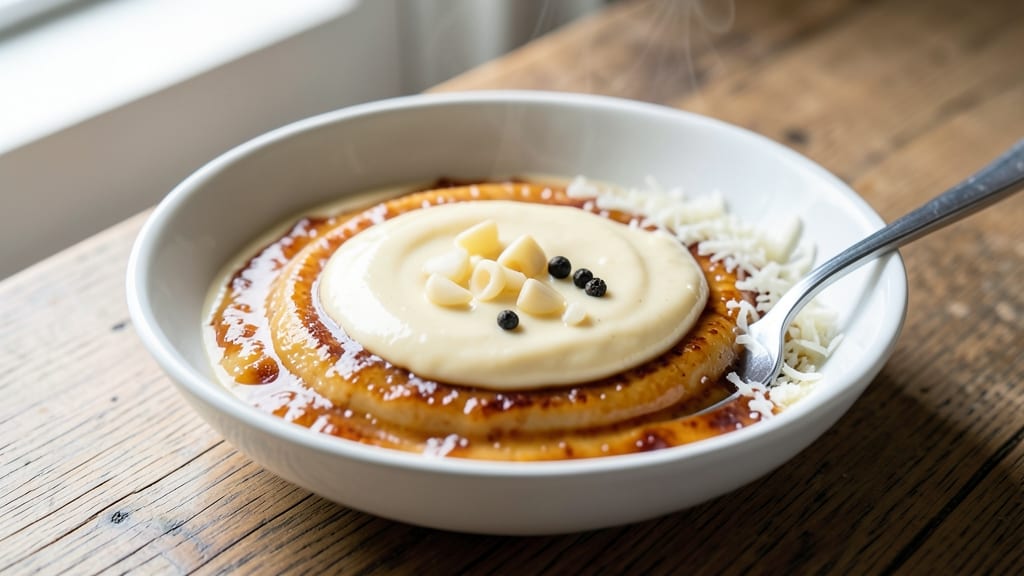
This alfredo sauce recipe for one delivers restaurant-quality creaminess in minutes without the hassle of clumps or cleanup. The secret lies in proper technique—melting butter slowly, whisking constantly, and adding Parmesan gradually to create a velvety, lump-free sauce every time.
Perfect for a single serving of pasta or as a rich topping for grilled chicken or roasted vegetables.
What sets this recipe apart is its simplicity and precision. With just four ingredients—high-quality butter, heavy cream, freshly grated Parmesan, and a touch of garlic—you’ll achieve a sauce that’s rich, smooth, and deeply flavorful.
The key step is tempering the Parmesan with warm cream before adding it to the butter, which prevents curdling and ensures a silky texture.
Once you’ve mastered this single-serving method, you’ll never buy store-bought again. The sauce stays creamy and delicious for up to three days in the refrigerator, or you can freeze it for up to a month.
Serve it over your favorite pasta, drizzle it over grilled fish, or use it as a luxurious sauce for roasted vegetables. Here’s how to make it perfectly every time.
For extra richness, stir in a splash of pasta water while the sauce simmers—it helps emulsify the sauce and makes it even more velvety. If you’re short on time, you can even make this sauce in a microwave-safe bowl for a quick, foolproof result.
The possibilities for this versatile sauce are endless, so let’s get started!
Ingredients for alfredo sauce recipe for one
Four ingredients, one perfect single-serving sauce—no clumps, just velvety richness.
| Ingredient | Amount | Notes |
|---|---|---|
| Unsalted Butter 🧈 | 4 tbsp | Cold, cut into small cubes |
| Heavy Cream 🥛 | ½ cup | Full-fat for richness |
| Freshly Grated Parmesan Cheese 🧀 | ¼ cup | From a block, not pre-grated |
| Garlic Cloves 🧄 | 1 whole | Minced, or 0.5 tsp garlic powder |
| Diamond Crystal Kosher Salt 🧂 | ¼ tsp | Fine grain preferred |
| Freshly Ground Black Pepper 🌶️ | ⅛ tsp | Freshly cracked preferred |
| Pasta Water 🍝 | ¼ cup | Reserved from cooking pasta |
The butter is non-negotiable here—unsalted, cold, and cubed melts slowly for that perfect emulsion. European-style butter like Plugrá or Kerrygold has more fat content, which gives you extra richness. Grab a wedge of Parmesan from the deli counter instead of pre-grated—it makes all the difference. The heavy cream should be full-fat; light cream won't give you that luxurious texture. For the garlic, I usually just use one clove, but if you're feeling fancy, a tiny bit of roasted garlic adds depth without overpowering.
No heavy cream? Whole milk plus 1 tbsp butter gets you close, though it won't be as rich. Short on Parmesan? Pecorino Romano works in a pinch, but use half the amount. The pre-grated stuff? Skip it—it's full of anti-caking agents that make the sauce grainy. Want extra flavor? Add a pinch of nutritional yeast for that cheesy umami boost. The pasta water is optional but worth it—it helps emulsify the sauce and makes it silky smooth. If you're making this ahead, reserve the water before draining your pasta.
This sauce is best made fresh, but it keeps beautifully in the fridge for 3 days if you seal it tightly with plastic wrap pressed right on the surface. For longer storage, freeze it in 1-tbsp portions—thaw overnight in the fridge before using. If you make extra, drizzle it over grilled chicken or roasted veggies—it's just as delicious as a pasta sauce. The key to reheating? Low heat only—high heat makes it split. Stir in a splash of warm water or milk if it looks too thick.
Why You'll Love This Recipe
- No-Fuss Ingredients: I keep a tub of heavy cream and a block of butter on hand just for nights like this—no shopping lists, no last-minute scrambles. Honestly, the only prep is grating that Parmesan while the butter melts, and even my lazy nights can’t mess that up.
- Rich, Garlicky Hug: That first taste of the sauce—creamy, nutty, with garlic so tender it dissolves into silk—makes me pause mid-bite. Between us, the salted butter and fresh garlic turn this into something restaurant-worthy without the fuss of herbs or wine.
- Leftovers That Last: Make a double batch and freeze half in ice cube trays—thaw one cube for a quick pasta toss later. I’ve pulled this from the freezer on a Monday morning, tossed it with leftover fettuccine, and called it dinner. No judgment here.
- Single-Serve Luxury: No splitting sauce or waiting for a pot to boil—this is my "I just want comfort" move. The sauce clings to noodles like a second skin, and the Parmesan never gets lost in the mix. (Yes, even on a Tuesday night.)
Step-by-step instructions for perfect single-serving alfredo sauce
Here's how to make creamy, clump-free alfredo sauce that coats every strand beautifully.
Melt the Butter and Infuse with Garlic
In a small saucepan, melt the 4 tbsp unsalted butter over medium-low heat until it's completely liquid but not browned. Add the 1 whole minced garlic cloves and cook for 30-45 seconds until fragrant—you'll smell that wonderful garlic aroma. Here's the thing: don't let it brown or it'll turn bitter. Remove the pan from heat immediately after the garlic smells cooked.
I like to use a small saucepan for this because it gives me better control over the heat. If you're using a larger pan, reduce the heat even more to prevent the butter from burning. The garlic should be just barely golden around the edges, not crispy or dark.
Gradually Add Cream and Parmesan
Return the pan to medium-low heat and slowly pour in the 0.5 cup heavy cream, whisking constantly to prevent any hot spots that could cause the sauce to curdle. Once the cream is warmed through, sprinkle in the 0.25 cup freshly grated parmesan cheese a little at a time, whisking vigorously after each addition. This gradual approach is crucial—it prevents lumps from forming and ensures a silky texture.
You'll notice the sauce will thicken slightly as it warms. If it starts to look too thick, that's okay—we'll adjust it in the next step. Keep whisking for 2-3 minutes until the parmesan is completely melted and the sauce is smooth. The reason we take it slow is that sudden temperature changes can cause the dairy proteins to separate.
Season and Adjust Consistency
Add the 0.25 tsp diamond crystal kosher salt and 0.125 tsp freshly ground black pepper, then taste the sauce. You might need to adjust the seasoning slightly—alfredo sauce is all about balance. If it's too thick, add 1 tablespoon of the 0.25 cup pasta water at a time until it reaches your desired consistency. The sauce should coat the back of a spoon but still be pourable.
Here's where it gets fun: the pasta water is key. It contains starch that helps the sauce cling to the pasta beautifully. If you don't have reserved pasta water, you can substitute with a little warm water, but the texture won't be quite the same. Keep the sauce warm over the lowest possible heat—just enough to maintain warmth without letting it separate.
Finish with Pasta Water for Perfect Texture
If the sauce is still too thick after adding the initial tablespoon of pasta water, add another 1 tablespoon at a time until it reaches that perfect coating consistency. You want it to be smooth and glossy, not watery. The sauce should be thick enough to cling to the pasta but still flow easily when tossed. This is the moment that matters: getting the texture just right ensures your sauce won't turn into a gluey mess when it cools.
Taste one final time and adjust seasoning if needed. The sauce should be rich, slightly salty, and just peppery enough to complement the pasta. Remember, you can always add more salt at the table if needed. Once you're happy with the flavor and consistency, your single-serving alfredo sauce is ready to be tossed with your cooked pasta.
Pro Tips For Making Alfredo Sauce Recipe For One
- Melt Butter Slowly: I learned this the hard way—dumping cold butter into the pan and ending up with greasy, uneven sauce. Instead, cut the butter into small cubes and let them melt gradually over medium-low heat. This keeps the sauce silky instead of separating later.
- Grate Parmesan Fresh: Pre-shredded cheese is coated in anti-caking agents that make your sauce grainy. Use a fine grater and work over a bowl to catch the dust—yes, it’s a pain, but that extra effort makes the sauce taste like it came from a restaurant.
- Sauté Garlic Just Until Fragrant: No need to brown the garlic—just 30 seconds over low heat until it smells amazing. Overdoing it turns it bitter, and you’ll taste it in every bite. Remove the pan from heat before adding the cream to lock in that aroma.
- Temper the Cream: Heavy cream is delicate—adding it straight to hot butter risks curdling. Warm the cream slightly in a separate small saucepan (just until it steams, not boils), then whisk it into the butter. Smooth sauce every time.
Storing and reheating your alfredo sauce recipe for one
Refrigerator Storage
Transfer your freshly made alfredo sauce to an airtight glass container—I love using small 4-ounce Pyrex ramekins for single servings. Press plastic wrap directly onto the sauce surface to prevent a skin from forming.
Store in the fridge for up to 3 days, but honestly, the flavor peaks within the first 24 hours as the dairy mellows. The sauce will thicken slightly when chilled, so plan to thin it with a splash of warm water or milk before reheating. ❄️
Freezer Storage
For longer storage, freeze the sauce in 1-tablespoon portions using silicone molds or ice cube trays. Once frozen, transfer to a ziplock freezer bag with all air squeezed out. These portions thaw perfectly in 10 minutes under warm running water—no microwave required.
The sauce keeps its creamy texture for up to 1 month in the freezer, though I recommend using it within 2 months for best quality. Label your bags with the date!
Reheating Methods
For the best results, reheat your refrigerated sauce in a small saucepan over low heat—never high! Stir in 1-2 tablespoons of warm water or milk if it looks too thick. If you're in a rush, microwave it in 20-second bursts, stirring between each, until just warmed through.
The key is to avoid overheating, which causes the sauce to separate. I always reheat just until it reaches 160°F—hot enough to kill any bacteria but not so hot it breaks the emulsion. 🔥
Reviving Separated Sauce
If your sauce separates after reheating (it happens!), don't panic. Simply place the pan back on low heat and whisk vigorously while adding 1 tablespoon of warm water or milk at a time. The starch in the liquid will help re-emulsify the sauce.
For extra insurance, stir in ½ teaspoon of Dijon mustard—it acts as a natural emulsifier. Most separated sauces come back beautifully with this method.
Make-Ahead Tips
Prep your sauce ingredients the night before to save time: grate the Parmesan, measure the butter and cream, and mince the garlic. Store everything in small containers in the fridge until ready to cook.
For a truly lazy day, make the sauce ahead and refrigerate it—just add a splash of water when reheating. The flavor actually develops beautifully overnight, making it perfect for quick weeknight dinners. 💫
Portion Control
When storing leftovers, remember that alfredo sauce is rich and best used within 3 days for optimal freshness. Divide it into single-serving portions (about ½ cup) to prevent waste. I like to use small glass jars with tight lids—they're microwave-safe and easy to grab for quick meals.
Label each portion with the date to track freshness, especially if you're freezing. Trust me, you'll appreciate not having to guess how old your sauce is!
Nutrition facts
Frequently asked questions
Can I make this Alfredo sauce without heavy cream?
Yes, but the texture will be less rich. Replace the ½ cup heavy cream with ½ cup whole milk plus 1 tbsp butter for a lighter version. For extra creaminess, blend ½ cup Greek yogurt with 2 tbsp milk—it adds protein and tanginess. Just whisk everything more vigorously to prevent separation.
Why did my sauce turn grainy or clumpy?
Most likely, you added the Parmesan too quickly or didn't whisk enough. Always sprinkle the cheese in gradually while whisking constantly over low heat. If it's already grainy, strain it through a fine-mesh sieve into a clean pan, then whisk in 1 tbsp warm water or milk to restore smoothness.
What can I use instead of fresh Parmesan?
For the best flavor, freshly grated Parmesan is ideal, but you can use Pecorino Romano (use half the amount) or Asiago cheese (same quantity). Avoid pre-shredded cheese—it contains anti-caking agents that make the sauce grainy. If you're dairy-free, blend ½ cup cashew butter with 2 tbsp nutritional yeast and 1 tbsp lemon juice for a creamy alternative.
How can I make this sauce in the microwave?
Melt the 4 tbsp butter in a microwave-safe bowl for 30 seconds, then stir in the minced garlic. Add the ½ cup heavy cream and microwave for 45 seconds, stirring halfway. Gradually whisk in the Parmesan, then season. For best results, finish by whisking in 1 tbsp pasta water to achieve that silky texture. The microwave method takes about 2 minutes total!
Can I add other ingredients to customize this sauce?
For extra flavor, stir in ½ tsp lemon zest or 1 tsp fresh herbs like basil or parsley. Want it spicier? Add ¼ tsp red pepper flakes or a pinch of cayenne. For a lighter version, mix in 1 tbsp grated zucchini or cauliflower—it blends right in. Just