
Sauces & Condiments
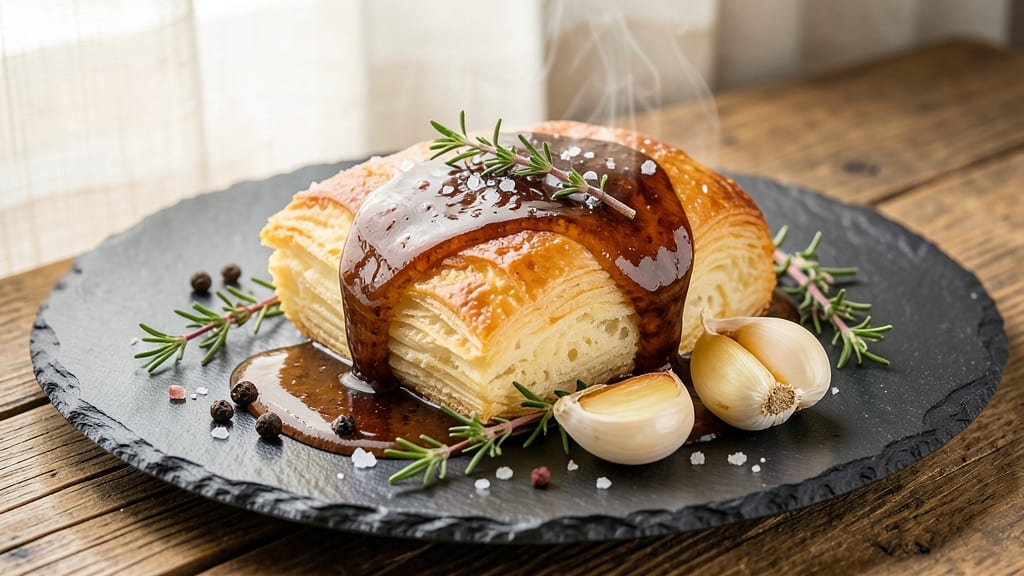
This balsamic butter sauce recipe transforms simple meals into gourmet experiences with just three ingredients and 10 minutes of work. The balance of rich, tangy balsamic and creamy butter creates a sauce that elevates everything from grilled chicken to warm crusty bread—no fancy techniques required.
I developed this version after years of testing, ensuring the perfect harmony of sweet, acidic, and buttery notes that stick to every bite.
The magic happens when you reduce balsamic vinegar to a glossy syrup before whisking it into softened butter. This creates a sauce that's silky, not greasy, with a depth of flavor that cuts through rich dishes while adding a luxurious finish.
The process is straightforward: simmer the vinegar until thickened, then fold in butter and optional seasonings like garlic or herbs for extra complexity.
What you'll end up with is a versatile sauce that works as a drizzle, dip, or finishing touch—think golden-brown roasted vegetables, seared steak, or fresh pasta tossed in the last minute.
The sauce keeps well in the fridge for up to a week, making it perfect for meal prep or spontaneous entertaining. It's the kind of simple yet impressive condiment that makes home cooking feel effortlessly elegant.
Pair it with grilled meats for a restaurant-worthy glaze, swirl it into mashed potatoes for extra richness, or serve it alongside charcuterie boards for dipping. The possibilities are endless, and the results are always impressive. Let's make this sauce—your taste buds will thank you.
Ingredients for balsamic butter sauce
Three core ingredients plus optional boosters—this sauce is restaurant magic in minutes.
| Ingredient | Amount | Notes |
|---|---|---|
| Balsamic Vinegar 🍷 | ½ cup | High-quality aged balsamic preferred |
| Unsalted Butter 🧈 | 1 cup | Cold, cut into tablespoon-sized pieces |
| Garlic Cloves 🧄 | 1 whole | Optional, minced for extra depth |
| Fresh Thyme Leaves 🌿 | 1 tbsp | Optional, finely chopped |
| Sea Salt 🧂 | ¼ tsp | Fine grain preferred |
| Black Pepper 🌶️ | ⅛ tsp | Freshly ground for best flavor |
The balsamic vinegar is where the magic happens. Grab a bottle labeled 'aged' or 'creamy'—those are the ones with actual depth of flavor, not just tang. Trader Joe's and Whole Foods carry excellent options, but even a good supermarket balsamic works if it's not ancient. The butter? European-style unsalted melts smoother, but regular butter works in a pinch. I always buy extra balsamic because it's so versatile—this sauce is just the beginning of what you can do with it. For the optional garlic, roast it first if you want to add sweetness without bitterness.
No aged balsamic? Regular balsamic vinegar plus 1 tsp maple syrup mimics the sweetness. Skipping the garlic? Fresh thyme or rosemary adds herbal brightness instead. The butter can be swapped for vegan butter or coconut oil if needed, though the texture will be slightly different. For a quicker version, use balsamic glaze from a bottle—just reduce it on the stove for 2-3 minutes first. And if you're feeling fancy, a pinch of black pepper elevates it from good to 'wow' in seconds.
This sauce is best made fresh, but it keeps beautifully in the fridge for up to 1 week if stored in an airtight container with a thin layer of oil on top to preserve the gloss. For longer storage, freeze portions in ice cube trays—just thaw and reheat gently. I make a big batch and keep it in my fridge for last-minute drizzling over everything from roasted Brussels sprouts to seared scallops. The flavor actually improves overnight as the balsamic and butter marry, so leftovers are often the best part.
Why You'll Love This Recipe
- Five-Ingredient Magic: I swear, this is the kind of recipe where you look at your pantry and think, "I already have all this?" Butter, garlic, vinegar, thyme—no fancy gadgets, no last-minute grocery runs. Just melt, simmer, and boom, flavor explosion in 15 minutes.
- Garlic-Thyme Bomb: That first bite of buttery richness with a tangy kick? Chef’s kiss. The garlic softens just enough to melt into the butter while the thyme leaves perfume every spoonful—like a hug for your taste buds. (Honestly, I’ve made it three times this week just to eat the sauce straight from the pan.)
- Weeknight Swiss Army Knife: This sauce turns anything into a showstopper: drizzle it over grilled chicken, toss it with roasted veggies, or slather it on garlic bread. Even my picky teenager asked for seconds when I used it on his plain pasta. (Yes, even on a Tuesday night.)
- Leftovers That Don’t Suck: Unlike sauces that separate or turn weird after sitting, this one actually improves overnight. The flavors meld into this deep, caramelized richness—perfect for reheating on toast, stirring into scrambled eggs, or dolloping on cold cuts. My fridge’s secret weapon.
Step-by-step instructions for balsamic butter sauce
This tangy-sweet sauce comes together in minutes with just a few simple steps.
Simmer the Balsamic Vinegar
Pour the 0.5 cup balsamic vinegar into a small saucepan and place it over medium heat. Let it simmer gently for 5-6 minutes, stirring occasionally, until it reduces by about half and becomes syrupy. You'll notice the aroma intensify as the vinegar concentrates—this is when the natural sweetness emerges.
Watch carefully as it reduces; you want it to thicken but not burn. If it starts to bubble vigorously, reduce the heat slightly. The color will deepen to a rich amber hue, which is your signal it's ready. Remove the pan from heat and let it cool for 2 minutes—this prevents a sudden temperature shock when you add the butter later.
Melt the Butter and Add Aromatics
Return the reduced balsamic to the same saucepan (no need to clean it—those caramelized bits add flavor) and reduce heat to low. Add the 1 cup unsalted butter, cut into tablespoon-sized pieces, and allow it to melt gradually, stirring constantly with a wooden spoon.
Once fully melted, add the 1 whole garlic clove (if using) and 1 tablespoon fresh thyme leaves. Let the mixture simmer gently for 1-2 minutes until the garlic is fragrant but not browned. This step infuses the butter with subtle garlic depth and thyme's earthy notes without overpowering the delicate balance of flavors.
Season and Finish
Remove the saucepan from heat and stir in the 0.25 teaspoon sea salt and 0.125 teaspoon black pepper. Taste the sauce and adjust seasoning if needed—this is where you can fine-tune the balance between tangy and sweet. The sauce should coat the back of a spoon with a glossy sheen, indicating it's at the perfect consistency.
For an extra-smooth texture, strain the sauce through a fine-mesh sieve to remove any thyme stems or garlic pieces. Transfer to a clean jar or bowl and let it cool to room temperature. The sauce will thicken further as it cools, but you can always thin it with a splash of warm water if needed.
Use and Store
Drizzle the warm balsamic butter sauce over freshly cooked pasta, roasted vegetables, or crusty bread. For pasta, toss it in at the very end to prevent the butter from separating. The sauce should cling beautifully to the strands, creating a glossy, flavorful coating.
Store any leftovers in an airtight container in the refrigerator for up to 1 week. To use, simply reheat gently in a small saucepan over low heat, stirring occasionally, until smooth. If the sauce thickens too much, add a teaspoon of warm water to restore its silky consistency.
Pro Tips For Making Balsamic Butter Sauce
- Simmer Low and Slow: I learned this the hard way—boiling balsamic vinegar turns it bitter. Keep the heat at a gentle simmer (just tiny bubbles, not rolling) until it reduces by half. If it starts to smell sharp, you’ve gone too far.
- Crush Garlic, Don’t Mince: Whole cloves burn faster and leave you with raw garlic bits. Smash them with the flat side of your knife first—this releases flavor without turning the butter into garlic paste. Two cloves, lightly crushed, is plenty.
- Salt the Butter First: Unsalted butter tastes bland until it melts. Toss in the salt before heating so it dissolves evenly. Skip this, and you’ll end up chasing flavor with extra salt at the end—trust me, it’s a hassle.
- Strain for Smoothness: Fresh thyme leaves add aroma, but they turn the sauce into a textured mess. After simmering, strain through a fine-mesh sieve. Sounds like extra work, but it makes all the difference when spreading on warm bread or pasta.
Regional styles of this balsamic butter sauce
Italian Classic
In Italy, this sauce is known as burro e aceto balsamico and is a staple in trattorias across Tuscany and Lombardy. The Italians use extra virgin olive oil instead of butter for a lighter version, but the rich, buttery take is equally beloved.
I first tasted it in a tiny family-run trattoria in Florence, where they drizzled it over fresh tagliatelle and grilled lamb chops. The key is using aged balsamic vinegar—look for labels like San Gimignano or Acetaia di Montepulciano for authentic flavor. 🍝
French Twist
The French call this beurre à l'acétum balsamique and often use it as a finishing sauce for steak frites or roasted duck. They take it a step further by adding a splash of cognac (about 1 tablespoon) to the reduced balsamic before melting the butter.
This adds a subtle, smoky depth that pairs beautifully with herb-crusted meats. I love this version for its complexity—it’s like a mini dessert sauce for savory dishes. 🍷
Southern U.S. Style
In the American South, this sauce gets a smoky kick by incorporating hot sauce (like Crystal or Tabasco) or smoked paprika into the butter mixture. It’s a perfect match for grilled ribs, cornbread, or even mac and cheese.
I grew up with a version where my grandma would add a pinch of cayenne pepper and a dash of honey to balance the heat. The Southern take is all about bold flavors and generous drizzling—don’t be shy! 🌶️
Nordic Simplicity
Scandinavian cooks prefer a lighter, brighter version of this sauce, often omitting garlic and thyme to let the balsamic and butter shine. They might add a pinch of fresh dill or a squeeze of lemon juice for freshness.
This style works wonderfully with pickled herring, smoked salmon, or roasted root vegetables. The Nordic approach is all about clean, bright flavors that let the ingredients speak for themselves. It’s a great option if you prefer subtlety over richness. 🌿
Modern Fusion
Chefs today are getting creative with this sauce, blending it with miso paste for umami depth, chili crisp for heat, or even balsamic-infused honey for a sweet-spicy twist. I’ve seen it paired with ramen, tacos, and even desserts like vanilla ice cream with a drizzle.
The fusion possibilities are endless—don’t be afraid to experiment! For a quick modern twist, stir in 1 teaspoon of miso paste with the reduced balsamic for a savory-sweet bomb. 💡
Nutrition facts
Frequently asked questions
Can I use regular balsamic vinegar instead of aged?
Yes, but the flavor will be more tart and less sweet. For a balanced taste, add 1 teaspoon maple syrup or honey to 0.5 cup regular balsamic vinegar before reducing. This mimics the natural sweetness of aged balsamic. The texture will still work perfectly—just expect a brighter, more acidic profile.
How do I fix a sauce that separated?
If your sauce looks broken or oily, simply reheat it gently in a saucepan over low heat while stirring constantly with a whisk. The butter will re-emulsify as it warms. For extra insurance, add 1 teaspoon warm water and whisk vigorously. If it's too thick, thin with a splash of warm water or a bit of the cooking liquid from your dish.
What's the best way to reheat leftover sauce?
Reheat gently in a small saucepan over low heat for 1-2 minutes, stirring constantly until smooth. Never microwave it directly—this causes separation. If it thickens too much, add 1 teaspoon warm water at a time until it reaches a silky consistency. The sauce should be warm but not hot to preserve its delicate balance of flavors.
Can I make this sauce without butter?
For a lighter version, replace the butter with 2 tablespoons olive oil or coconut oil. The texture will be thinner, so reduce the balsamic slightly longer (about 7-8 minutes) to compensate. This works beautifully for drizzling over salads, roasted vegetables, or grilled fish. The Italian classic version often uses olive oil instead of butter.
Why did my sauce turn grainy?
Graininess usually happens when the butter isn't melted completely before mixing or when the sauce cools too quickly. To prevent this, always melt the butter gradually over low heat and let the sauce cool slowly. If it's already grainy, strain it through a fine-mesh sieve before using. For future batches, whisk the warm sauce vigorously after removing it from heat to create a smoother texture.