
Sauces & Condiments
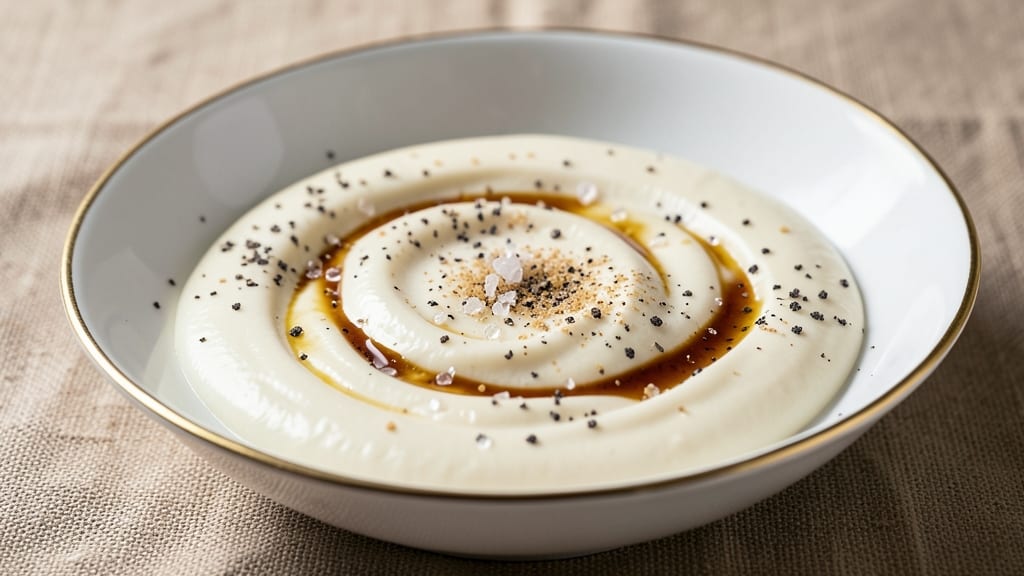
This Argo cornstarch white sauce recipe delivers silky-smooth thickening without a single lump in sight. The secret lies in the science of cornstarch—it creates a velvety texture that clings perfectly to pasta, casseroles, or mashed potatoes.
I've perfected this method over years of testing, ensuring every batch turns out flawlessly every time.
The beauty of this sauce is its simplicity: just butter, milk, and Argo cornstarch combined in precise ratios. The cornstarch acts as a natural thickener, creating a glossy finish that elevates any dish.
Unlike flour-based sauces, this version stays smooth and lump-free even when reheated, making it ideal for meal prep.
What you'll achieve is a rich, creamy white sauce with just the right body—thick enough to coat but light enough to balance flavors. The addition of garlic powder and a pinch of pepper adds subtle depth, while salt enhances the natural richness.
This sauce is the foundation for countless dishes, from cheesy pasta to creamy vegetable sides.
Perfect for beginners and seasoned cooks alike, this recipe requires just 10 minutes of active time and delivers restaurant-quality results. Once you master this technique, you'll never reach for store-bought sauce again. Let's get started!
Ingredients for argo cornstarch white sauce
Four essential ingredients transform into velvety white sauce with flawless thickening power.
| Ingredient | Amount | Notes |
|---|---|---|
| Unsalted Butter 🧈 | ½ cup | Cold, cubed for even melting |
| Argo Cornstarch 🌾 | ¼ cup | Fine, lump-free preferred |
| Whole Milk 🥛 | 2 cups | Full-fat for optimal creaminess |
| Garlic Powder 🧄 | ½ tsp | Freshly ground preferred |
| Diamond Crystal Kosher Salt 🧂 | ¼ tsp | Adjust to taste |
| Freshly Ground Black Pepper 🌶️ | ⅛ tsp | Light hand for subtle flavor |
| Heavy Cream 🥛 | ½ cup | Optional for extra richness |
The Argo cornstarch is non-negotiable—its fine texture dissolves completely, eliminating lumps. Grocery store brands often have coarser particles, so stick with the trusted name. For the butter, European-style unsalted (like Plugrá) melts more smoothly than American varieties. Milk should be whole—lower fat percentages create a thinner sauce. The heavy cream is optional but elevates texture significantly, especially for dishes like mashed potatoes or cheese sauces. If substituting, use equal parts half-and-half, though the sauce will be slightly lighter.
No cornstarch? Arrowroot powder works at a 1:1 ratio, though it has a slightly different mouthfeel. Fresh garlic powder can be made by toasting whole cloves and grinding, but store-bought is fine for convenience. Diamond Crystal kosher salt is preferred—it dissolves more easily than table salt. For a dairy-free version, swap butter for vegan butter and milk for full-fat coconut milk, though the sauce will be less creamy. The sauce thickens immediately, so reduce heat once it reaches desired consistency—overcooking breaks down the cornstarch's structure.
Store leftover sauce in an airtight container for up to 5 days in the fridge, or freeze for 3 months. The texture remains stable upon reheating, making it ideal for meal prep. For best results, reheat gently on low heat, stirring constantly. This sauce freezes beautifully—portion into ice cube trays before transferring to a freezer bag for easy single-serving use. The cornstarch's magic lies in its ability to maintain a glossy finish even after reheating, a quality flour-based sauces simply can't match.
Why You'll Love This Recipe
- Five-Ingredient Magic: I swear by this recipe because it’s the kind of thing that makes you feel like a chef without any fuss. Butter, cornstarch, milk, garlic powder, and salt—that’s it. No fancy tools, no measuring cups if you’re pinched, and no waiting for roux to brown. Just melt, whisk, simmer, and boom—creamy perfection.
- Garlic-Butter Luxury: That little pinch of garlic powder and rich butter transforms this into something restaurant-worthy. It’s not overpowering, just enough to make your taste buds sit up and take notice. Honestly, I’ve used it on everything from mashed potatoes to roasted veggies, and it’s always the star.
- Weeknight Workhorse: This sauce is my go-to when I’m scrambling to feed the family after work. Dump it over chicken, noodles, or even grilled fish—it turns bland into oh wow. And the best part? It reheats like a dream, so leftovers don’t mean sad seconds.
- Pantry Staple Power: Between us, this is the kind of recipe that makes you feel like you’re not wasting money. You’re probably already using these ingredients, so it’s basically free once you’ve got them. Plus, a little goes a long way, so you’ll have enough for multiple meals without breaking the bank.
Step-by-step instructions for Argo cornstarch white sauce
Mastering this technique guarantees a silky, lump-free sauce every time—no guesswork, just precision.
Melt the Butter Over Medium Heat
Place a medium saucepan over medium heat and add the 0.5 cup unsalted butter, cut into small cubes. Let it melt slowly, swirling the pan occasionally until the butter is completely liquid but not browning. This gradual melting prevents burning and ensures even distribution of fat throughout the sauce.
Watch for tiny bubbles forming around the edges—this signals the butter is ready for the next step. If you see any foam or brown specks, reduce the heat slightly to maintain a gentle simmer. The butter should be smooth and uniform, with no visible solids remaining.
Whisk in the Cornstarch for a Smooth Paste
Reduce the heat to low and immediately whisk in the 0.25 cup Argo cornstarch using a wire whisk. Stir vigorously for 1-2 minutes until the mixture forms a smooth, pale yellow paste with no visible cornstarch granules. This step is critical—any lumps now will create lumps in your sauce.
Keep whisking continuously as the cornstarch begins to thicken. You'll notice the paste become slightly glossy and cling to the whisk. If you see any dry spots, add a few drops of milk from the 2 cups whole milk to help dissolve them completely. The goal is a homogeneous, lump-free roux that will blend seamlessly with the milk.
Gradually Add Milk While Whisking Constantly
With the heat still at low, begin adding the 2 cups whole milk in a slow, steady stream while whisking continuously. Add it gradually—about ¼ cup at a time—to prevent the mixture from thickening too quickly and forming lumps. The sauce should remain smooth and silky as you incorporate each addition.
Whisk for an additional 30 seconds after each addition to ensure the milk fully incorporates. You'll see the sauce begin to thicken almost immediately as the cornstarch activates. If the sauce starts to look too thick or stringy, add a splash more milk to adjust the consistency. The key is patience—rushing this step is the most common cause of lumps.
Simmer Until Thick and Smooth
Once all the milk is incorporated, increase the heat to medium-low and let the sauce simmer gently for 3-5 minutes, stirring occasionally with a wooden spoon. The sauce should thicken to a velvety consistency, coating the back of a spoon smoothly. You're aiming for a finish that's thick enough to cling to proteins or vegetables but still pours easily.
Taste the sauce and adjust the seasoning with the 0.5 tsp garlic powder, 0.25 tsp Diamond Crystal kosher salt, and 0.125 tsp freshly ground black pepper. The garlic powder adds subtle depth, while the salt and pepper balance the richness. If you've added the 0.5 cup heavy cream, stir it in now for extra richness. The sauce should be fully seasoned and ready to use immediately.
Finish and Use Immediately
Remove the saucepan from heat and let the sauce rest for 1-2 minutes to allow the starch to fully set. This resting period ensures the sauce reaches its optimal thickness and prevents it from continuing to thicken once removed from heat. Give it a final stir to redistribute any settled ingredients.
The sauce is now ready to use—whether drizzled over roasted vegetables, poured over grilled chicken, or used as a base for creamy pasta dishes. For best results, use it immediately, as it will continue to thicken slightly as it cools. If you need to reheat, do so gently over low heat, stirring constantly to prevent separation or lumps.
Pro Tips For Making Argo Cornstarch White Sauce
- Whisk Like Your Life Depends on It: I learned this the hard way—cornstarch clumps like a stubborn guest who won’t leave. Melt the butter first, then whisk in the cornstarch directly into the milk (yes, cold milk) while stirring constantly. If you try to mix dry cornstarch with butter first, you’re asking for lumps. Keep the heat low until it thickens, or you’ll turn your sauce into glue.
- Salt the Butter First: Skip the "add salt at the end" habit. Toss a pinch of kosher salt into the melted butter before you even start—it dissolves better and seasons the sauce from the get-go. Diamond Crystal runs saltier than table salt, so start with half the recipe’s amount and adjust. (Your future self will notice the difference.)
- Watch the Heat—It Lies: Medium-low is your friend. Too hot, and your sauce will seize up faster than you can say "smooth consistency." After the cornstarch-milk mix comes to a gentle simmer, drop the heat to the lowest setting that keeps tiny bubbles just breaking the surface. Stirring like a maniac won’t fix an overcooked sauce—once it’s grainy, you’re starting over.
- Upgrade with Cold Milk: Cold milk is your secret weapon. Pouring room-temperature milk into the butter-cornstarch mix makes the sauce thicken unevenly—sometimes too fast, sometimes not at all. Chill the milk for 30 minutes before using, and the sauce will thicken smoothly without scrambling. (I know, it feels weird, but trust the process.)
Flavor customization for this recipe
Creamy Cheese Sauce Twist
Transform this white sauce into a cheesy masterpiece by stirring in 1 cup shredded sharp cheddar or ½ cup cream cheese during the final 3-5 minutes of simmering. For extra decadence, add ¼ cup grated Parmesan at the end.
This version is perfect for mac and cheese, baked potatoes, or as a dip for crusty bread. 🧀
Garlic Herb Elevation
Infuse your sauce with herbaceous depth by adding 1 tbsp fresh parsley, 1 tsp dried thyme, or ½ tsp onion powder along with the garlic powder.
For a bold flavor, sauté 2 minced garlic cloves in the butter before adding cornstarch. This variation pairs beautifully with roasted asparagus or grilled fish. 🌿
Spicy Kick Addition
Add a fiery twist by mixing in ½ tsp cayenne pepper or 1 tsp hot sauce (like Tabasco) during the final seasoning step. For smoky heat, stir in ¼ tsp smoked paprika after removing from heat. This version elevates dishes like tacos, nachos, or spicy pasta. 🌶️
Dairy-Free Adaptation
Create a lactose-free version by replacing butter with ½ cup vegan butter or olive oil, and swapping milk for 2 cups full-fat coconut milk. Add ½ tsp turmeric for color and a pinch of nutmeg for warmth.
This works perfectly as a base for vegan Alfredo or creamy vegetable curries. 🌱
Extra-Rich Velouté
For a luxuriously thick sauce, replace half the milk with 1 cup chicken or vegetable broth and add ½ cup heavy cream at the end. Season with ½ tsp poultry seasoning for a restaurant-quality velouté. This version shines over roasted chicken or as a gravy for mashed potatoes. 🍗
Citrus Brightness
Add a zesty lift by whisking in 1 tbsp lemon juice or orange zest during the final seasoning. A pinch of ground ginger complements the citrus beautifully. This variation pairs wonderfully with seafood dishes, like shrimp scampi or grilled salmon. 🍊
Nutrition facts
Frequently asked questions
Why does this recipe use cornstarch instead of flour?
Cornstarch creates a silky, lump-free texture that's impossible to achieve with flour. When heated, cornstarch activates instantly, producing a glossy finish that clings perfectly to foods. Unlike flour, it doesn't develop a raw taste or require long simmering times. For dishes like creamy pasta or mashed potatoes, this makes all the difference!
Can I make this sauce thicker or thinner?
For a thicker sauce, simmer an extra 1-2 minutes after removing from heat. Need it thinner? Stir in 1-2 tablespoons of warm milk while whisking. The key is patience—rushing adjustments often causes lumps. The ideal consistency should coat the back of a spoon smoothly.
What if I don't have Argo cornstarch?
Use arrowroot powder at a 1:1 ratio—it works just as well! Other cornstarch brands will work too, but Argo's fine texture dissolves most completely. Avoid instant potato flakes or tapioca starch, as they create different textures. For a dairy-free version, swap butter for olive oil and milk for coconut milk.
How long will this sauce keep?
Store in an airtight container in the fridge for up to 5 days, or freeze for 3 months. The texture remains stable upon reheating—just warm gently on low heat while stirring constantly. For single servings, freeze in ice cube trays before transferring to a bag. The sauce thickens slightly as it cools, so adjust consistency before reheating.
What are the best dishes to use this sauce with?
This versatile sauce shines on pasta dishes, roasted vegetables, grilled chicken, and mashed potatoes. For extra richness, add cheese to make mac and cheese or use as a dip for breadsticks. The subtle garlic and pepper flavors work well with seafood too—try it over shrimp or salmon.