
Sauces & Condiments
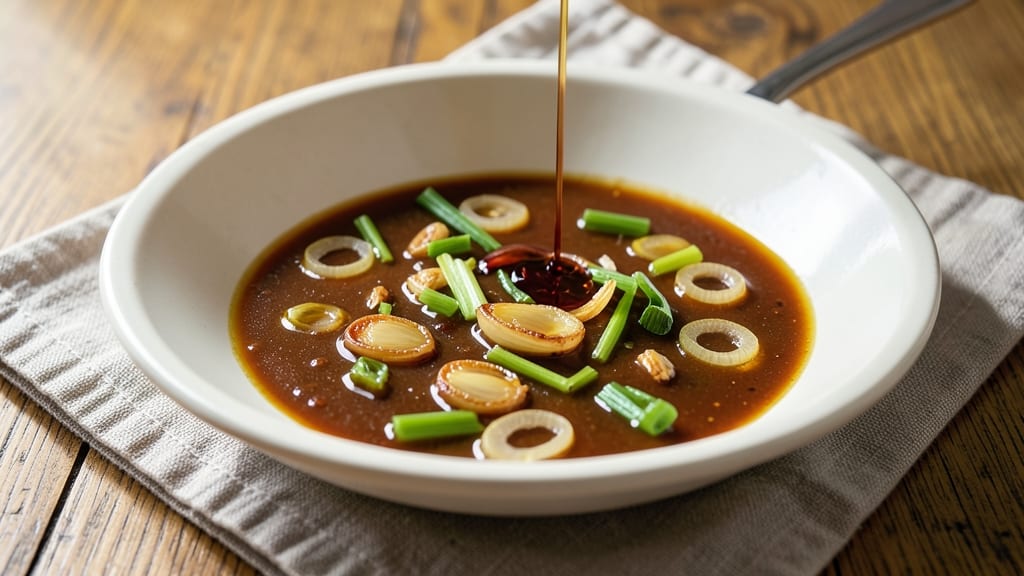
This Anjou sauce recipe transforms simple ingredients into a velvety, vinegar-infused masterpiece that elevates roasted meats to restaurant-quality perfection. The secret lies in simmering celery and shallots until their flavors meld into a fragrant base, then balancing with just the right touch of vinegar for depth.
What makes this sauce exceptional is its ability to stay rich and creamy without heavy cream—just a touch of butter at the end creates that signature luscious finish.
The process is straightforward yet precise: sautéing aromatics until golden, then slow reduction to concentrate flavors. This technique ensures every spoonful delivers complex layers—savory, slightly tangy, and subtly sweet—without overpowering the dish. The result is a sauce that clings beautifully to meats, transforming simple roasts into elegant centerpieces.
Perfect for game birds, duck, or even beef, this Anjou sauce delivers professional results with minimal effort. The vinegar's bright acidity cuts through richness, while the celery adds a delicate earthiness that pairs flawlessly with roasted flavors.
What you'll end up with is a sauce that's both approachable for home cooks and impressive enough for special occasions.
Once mastered, this recipe becomes your go-to for weeknight dinners or holiday feasts. The best part? It reheats beautifully, making it ideal for meal prep. Let's create this versatile, flavor-packed sauce that will change how you approach meat dishes forever.
Ingredients for anjou sauce
Celery's earthy depth meets vinegar's brightness in this velvety sauce masterpiece.
| Ingredient | Amount | Notes |
|---|---|---|
| Fresh Celery Stems 🧅 | 3 cups | Trimmed, chopped into 1-inch pieces |
| Shallots 🧅 | ½ cup | Minced, finely chopped |
| Extra-Virgin Olive Oil 🫒 | ½ cup | High-quality, fruity variety |
| Dry Red Wine 🍷 | 1 cup | Bold Cabernet Sauvignon preferred |
| Apple Cider Vinegar 🍏 | ¼ cup | For acidity balance |
| Vegetable Stock 💧 | 1 cup | Homemade or high-quality store-bought |
| Unsalted Butter 🧈 | ¼ cup | Cold, cubed for finishing |
| Diamond Crystal Kosher Salt 🧂 | 1 tsp | Adjust to taste |
| Freshly Ground Black Pepper 🌶️ | ½ tsp | For subtle heat |
| Fresh Thyme Leaves 🌿 | 1 tbsp | Or 1 tsp dried thyme |
The celery is non-negotiable—its fibrous stems release flavor during the slow reduction, creating the sauce's signature character. Look for crisp, pale green stalks with no woody cores, available at any grocery store's produce section. Shallots add delicate sweetness; buy them pre-peeled at Whole Foods for convenience. The red wine should be dry and bold—Cabernet Sauvignon or Merlot work best, but any dry table wine in your cellar will do. For the vinegar, apple cider vinegar provides subtle fruitiness that complements the celery beautifully.
No red wine? Substitute with additional vegetable stock, though the sauce will lose some depth. Fresh thyme is ideal, but dried thyme at one-third the amount works in a pinch. The butter at the end is crucial—unsalted ensures proper seasoning control. For a richer finish, add 1 tbsp heavy cream instead of butter. The vegetable stock can be homemade or store-bought; avoid bouillon cubes for cleaner flavor. If you can't find shallots, substitute with 2 tbsp minced yellow onion, though the flavor will differ slightly.
This sauce reheats beautifully—simply warm over low heat with a splash of water or stock. Store in airtight containers for up to 5 days in the refrigerator or freeze for 3 months in ice cube trays for portion control. The celery base thickens as it cools, so add a splash of stock when reheating if you prefer a looser consistency. For meal prep, make a double batch—it pairs perfectly with roasted meats and reheats just as luxuriously the second time around.
Why You'll Love This Recipe
- Pantry Stash Ready: I swear by this sauce because it uses things I already have—no last-minute grocery runs. Shallots and celery from the crisper, a splash of red wine I’ve been saving, even that half-empty bottle of apple cider vinegar. Honestly, it’s the kind of recipe that makes me feel like I’m cooking with intention, not stress.
- Wine-Infused Depth: That red wine reduction isn’t just for show—it’s what makes this sauce sing. The acidity from the vinegar cuts through the richness, while the olive oil keeps it silky. Between us, it’s the kind of flavor that makes you pause mid-bite, like, “Wait, is this actually just dinner?”
- Weeknight Workhorse: I toss this over grilled chicken, roasted veggies, or even scrambled eggs when I’m in a rush. It’s the kind of sauce that doesn’t demand center stage but always elevates what it touches. And because it’s thin and bright, it reheats like a dream—no sad, heavy leftovers here.
- Budget-Friendly Luxe: Fresh celery and shallots are cheap, and a little wine goes a long way. I make double batches because it keeps for days in the fridge, and I never regret it. It’s the kind of recipe that makes frugal cooking feel fancy—without breaking the bank or my willpower.
Step-by-step instructions for celery-infused cream sauce
This Anjou sauce builds depth through precise timing and ingredient balance—where celery's earthiness meets vinegar's brightness.
Sauté Shallots and Celery Until Soft
Heat the 0.5 cup extra-virgin olive oil in a medium saucepan over medium-low heat. Add the 0.5 cup minced shallots and 3 cups chopped celery stems, stirring occasionally. Cook for 8-10 minutes until the shallots turn translucent and the celery softens but doesn't brown—this prevents bitterness. The mixture should smell sweetly aromatic, with the celery releasing its natural oils. If the pan starts to smoke, reduce the heat slightly. This foundational step extracts maximum flavor without burning the vegetables.
I like to press down gently on the celery with a wooden spoon during the last few minutes of cooking—this helps release more moisture and intensifies the flavor. The celery should be fork-tender but still hold its shape slightly. If it breaks down too much, you'll end up with a mushy sauce rather than the velvety texture Anjou sauce demands.
Deglaze with Wine and Vinegar
Pour in the 1 cup dry red wine and 0.25 cup apple cider vinegar, scraping up any browned bits from the bottom of the pan with a wooden spoon. This deglazing step captures all the caramelized flavor that would otherwise stick to the pan. Let the mixture simmer gently for 5-6 minutes until reduced by about half, or until the liquid clings slightly to the back of a spoon. You're looking for a syrupy consistency here—this is where the sauce's depth develops.
The vinegar might seem like an odd addition, but it's crucial for cutting through the richness later and adding complexity. The wine should nearly evaporate, leaving behind just enough alcohol to mellow the acidity. If the mixture reduces too quickly, lower the heat slightly to control the process. This step transforms the simple vegetable base into something far more sophisticated.
Build the Creamy Base
Add the 1 cup vegetable stock, 1 tsp kosher salt, and 0.5 tsp freshly ground black pepper to the pan. Bring to a gentle simmer, then reduce heat to low and let it cook uncovered for 10-12 minutes until the liquid reduces by about one-third. The sauce should thicken noticeably, coating the back of a spoon smoothly. Stir occasionally to prevent sticking, but don't over-stir—this can break down the celery too much.
During this time, add the 1 tbsp fresh thyme leaves and let them steep in the sauce for the last 3-4 minutes of cooking. This infusion adds herbal brightness without overpowering the celery's earthy notes. The sauce should now have a rich, velvety consistency with a balance of acidity and sweetness. If it's too thin at this stage, you can continue reducing it slightly longer, but don't let it boil vigorously or it may curdle.
Finish with Butter for Silkiness
Remove the pan from heat and let it cool slightly for 1-2 minutes. Then, whisk in the 0.25 cup cold unsalted butter, one cube at a time, until fully incorporated. The butter should melt smoothly into the sauce, creating a luxurious, creamy texture. This is the moment that transforms the sauce from good to exceptional—adding body and richness while balancing the acidity.
Taste and adjust the seasoning if needed, adding a pinch more salt or pepper as required. The sauce should be well-balanced, with the celery's sweetness, the wine's depth, and the vinegar's brightness all harmonizing. If the sauce is too thick, you can whisk in 1-2 tablespoons of warm water to reach your desired consistency. Serve immediately over roasted meats, mashed potatoes, or crusty bread to appreciate its full complexity.
Pro Tips For Making Anjou Sauce
- Sweat Shallots Low: If you rush this step, your sauce will taste raw and bitter. Use a low flame—just enough to make the shallots glisten and turn translucent, not brown. I learned this the hard way after burning three batches; now I keep the heat at a whisper and stir like I’m defusing a bomb.
- Dice Celery Small: Tiny, even pieces dissolve into the sauce without leaving chewy bits. Cut the celery into 1/8-inch cubes, not thick sticks—this ensures it melts into the sauce rather than sitting there like a textured afterthought.
- Reduce Wine Slowly: Don’t let it boil off like a mad scientist. Simmer the wine gently until it’s reduced by half—about 5-7 minutes—so the alcohol dissipates but the depth of flavor stays. Skipping this step leaves the sauce tasting sharp and unfinished.
- Finish with Vinegar Last: Add the apple cider vinegar right at the end, right before removing the pan from heat. This keeps the bright acidity from cooking off, which is the whole point—it’s what cuts through the richness and makes the sauce sing. I used to add it early, and the sauce always tasted flat.
Common mistakes when making this recipe
Burning the Celery
Watch your celery like a hawk during the sautéing phase—it's easy to let it brown too quickly, especially when you're distracted. Once the celery turns golden or starts to smell bitter, the sauce's delicate flavor profile is ruined.
I've burned celery so many times that I now set a timer for 8-10 minutes maximum and keep the heat at medium-low. If you notice smoke or dark spots, immediately reduce the heat or remove the pan from the burner.
The celery should soften but remain pale green—this is the sweet spot for flavor extraction. 🔥
Skipping the Reduction
Rushing the reduction phase is a common mistake that results in a thin, watery sauce instead of the rich, velvety texture Anjou sauce should have. Many home cooks add the stock and then walk away, only to find the sauce hasn't thickened enough.
Pay attention to the sauce's consistency—it should coat the back of a spoon smoothly after 10-12 minutes of simmering. If you're in a hurry, reduce the heat to lowest setting and let it work slowly. The patience here is worth it for that luxurious mouthfeel.
Overlooking the Vinegar
The vinegar is the secret weapon in this sauce, adding brightness and complexity that balances the richness. I've made Anjou sauce without it, and while it's still good, it lacks that signature tang that makes the sauce truly special.
Use the full 0.25 cup apple cider vinegar called for in the recipe—don't skimp. If you're worried about the acidity being too strong, remember that the wine and butter will mellow it out. Taste as you go, but trust the recipe's balance.
The vinegar's job is to cut through the richness, not overpower it.
Adding Butter Too Early
Adding the butter while the sauce is still hot can cause it to separate or create lumps that ruin the sauce's silky texture. Always let the sauce cool slightly for 1-2 minutes before whisking in the butter.
I've made this mistake more times than I'd like to admit—once, I ended up with a sauce that looked like it had been through a blender. The butter needs to melt gently into the sauce, not be forced in.
Work in small batches if needed, and whisk vigorously to ensure a smooth finish.
Ignoring the Thyme Timing
Adding thyme too early can make it bitter, while adding it too late won't allow it to infuse properly. The perfect moment is during the last 3-4 minutes of simmering, when the sauce is hot but not boiling.
This gives the thyme enough time to release its aromatic oils without overpowering the celery's delicate flavor. If you're using dried thyme, add it even earlier—about 5 minutes before the end—to allow it to steep fully. The thyme should enhance the sauce, not dominate it.
Not Tasting as You Go
Many cooks assume the sauce will taste perfect at the end, only to find it needs more salt, acidity, or sweetness. Taste the sauce at every critical stage—after the wine reduction, after adding the stock, and just before finishing with butter.
Adjust the seasoning gradually, remembering that the flavors will meld and intensify as the sauce cools. A pinch of salt or a splash of vinegar now can save a whole batch later. Trust your palate—it's your best tool for perfecting this sauce. ✨
Nutrition facts
Frequently asked questions about Anjou sauce
What makes Anjou sauce different from other celery sauces?
Anjou sauce stands out thanks to its vinegar-infused depth and creamy texture created by butter rather than heavy cream. The key difference is the balance of apple cider vinegar and red wine that adds brightness, while the slow reduction of celery and shallots builds complex flavor layers. Most celery sauces rely on cream or cheese, but Anjou sauce stays light yet luxurious through careful reduction and butter finishing.
Can I substitute red wine with another liquid?
Yes, but the flavor will change. For a similar depth, use dry white wine or extra-dry vermouth (replace 1:1). If you're avoiding alcohol completely, substitute with additional vegetable stock (reduce by ¼ cup less) and add 1 tsp lemon juice for acidity. The wine's alcohol helps mellow the vinegar's sharpness, so expect a slightly more acidic sauce without it.
How long can I store this sauce, and how do I reheat it?
Store in an airtight container in the fridge for up to 5 days or freeze for 3 months. To reheat, warm over low heat and add 1-2 tbsp warm water if it thickens too much. Never microwave directly—this can break the sauce's silky texture. For best results, reheat gently while stirring constantly until just warm.
What dishes pair best with Anjou sauce?
This sauce excels with roasted meats like duck, chicken, or beef, but also works beautifully with game birds, mashed potatoes, or even as a dipping sauce for crusty bread. Its balance of acidity and richness makes it perfect for holiday meals or weeknight dinners. For a modern twist, try drizzling it over seared scallops or grilled vegetables.
Can I make Anjou sauce without celery?
While celery is traditional, you can substitute with leeks (½ cup) or fennel (½ cup, finely chopped) for a similar earthy flavor. For a completely different profile, use mushrooms (1 cup, finely chopped)—they'll add umami depth. However, the sauce will lose its signature celery sweetness. If substituting, reduce the cooking time by 2-3 minutes since mushrooms and leeks soften faster.